





































































 Ampoule LED GU10 5,0 (2) In stock 13,90 € TTC
 Lampes horticoles LED, la bonne lumière, du semis à la récolte
Une lampe horticole LED remplace le soleil quand il manque : 105 LED horticoles choisies et testées depuis plus de 10 ans, de l'ampoule pour tes plantes vertes au panneau LED horticole à la taille exacte de ta box. Choisis par surface, par puissance, par type d'éclairage ou par marque.
- Free Delivery from €89 to a Pickup Point
- 2-year warranty on all lamps
- Out of stock? Reserve it, we'll deliver on restock
- 4,7/5 · 1 766 verified reviews
The Category Stars
 SpectraBULB X30 · 35 W ★ 4,8 · 22 reviews · In stock 85,90 €
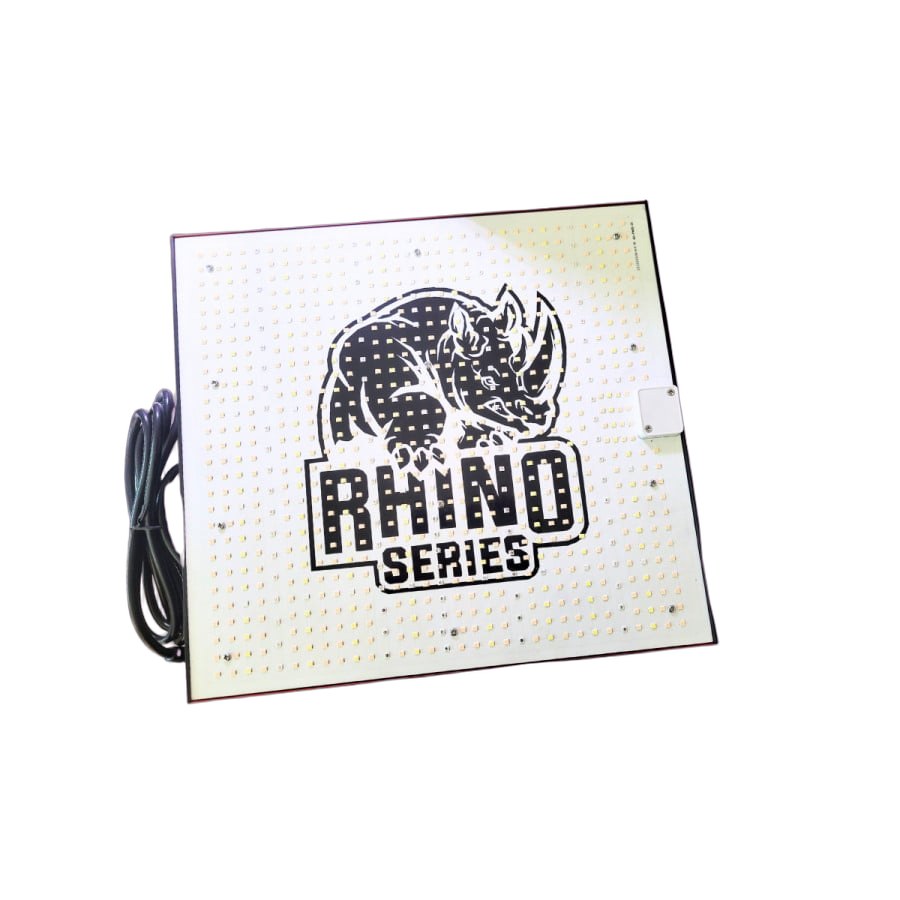
 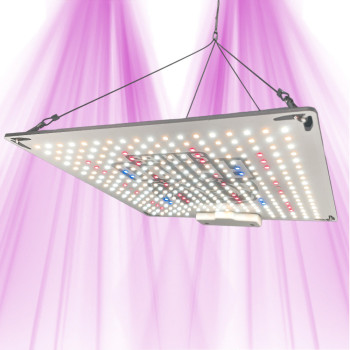 Rhino 130 V4 · CannaLED ★ 4,9 · 35 reviews · In stock 219,90 €
  SpectraB.2.G X45 · BloomLED ★ 5,0 · 17 reviews · In stock 139,90 €
  SpectraWILD S320 · BloomLED ★ 5,0 · 6 reviews · In stock 599,00 €
 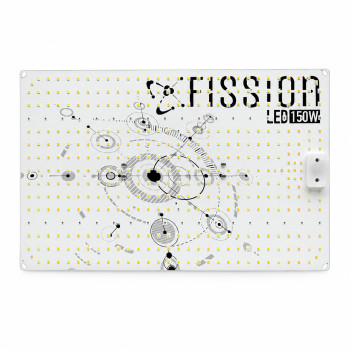 Fission LED · 150 W ★ 5,0 · 3 reviews · Restocking 99,90 €
 — free delivery from €89 to a Pickup Point
To get started
Ampoule horticole LED pour plantes d'intérieur et semis
Houseplants, seedlings, cuttings, a corner of a room: no setup needed. A horticultural bulb in a standard socket, and it grows.
The 30-Second Guide
One E27 or GU10 grow light screws into any household light fitting: 20 to 35W light up a plant or a corner of 40 × 40 cm, 30-60cm from the foliage. Full spectrum = one single fixture from seedling to flowering.
Une LED classique peut-elle remplacer une horticole ?
Non : une LED d'éclairage domestique n'émet pas le spectre dont la photosynthèse a besoin. On t'explique la différence.
Combien d'heures par jour ?
18 h de lumière en croissance, 12 h en floraison. Un simple programmateur fait le travail.
Ça consomme beaucoup ?
Une ampoule de 20 W allumée 18 h/jour consomme 0,36 kWh, soit quelques centimes par jour. Le calcul détaillé.
The 3 Star Bulbs
Ampoule LED GU10 5,0 (2) In stock 13,90 € TTC 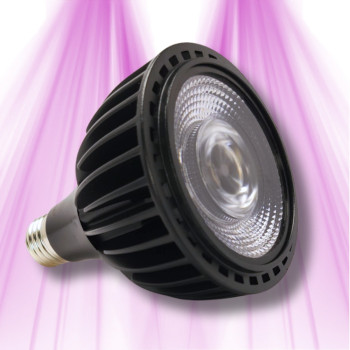 SpectraBULB X20 · 20 W 5,0 (4) In stock 59,90 € TTC or 3× 19,97 € with alma SpectraBULB X30 · 35 W 4,8 (22) In stock 85,90 € TTC or 3× 28,63 € with alma
 Complete Your Bulb


All Grow Light Bulbs Our 3 best sellers across all lights.
Before the Box
Éclairage LED pour semis et boutures
It all starts here: a cool spectrum, sturdy plants, strong roots. Starter lights, and everything that goes with them.
The 30-Second Guide
For seedlings that don't get leggy: a spectrum rich in blue (6500 K), 16-18 h of light per day, the lamp at 15-30 cm of plants. A bar or tube light covers a whole tray.
Quel spectre pour des semis ?
Un spectre froid, riche en bleu (6500 K) : les plants restent trapus au lieu de filer. Nos barres semis sont calibrées pour ça.
Combien d'heures par jour ?
16 à 18 h par jour pour les semis et les boutures. Un programmateur s'en charge.
À quelle distance des plants ?
15 à 30 cm pour une barre ou un tube semis : assez près pour éviter l'étiolement, assez loin pour ne pas stresser.
Starter Lights
 Tubes LED semis V2 5,0 (4) In stock 74,90 € TTC or 3× 24,97 € with alma
  Barre LED 26 W · 60 cm 4,8 (6) In stock 69,90 € TTC or 3× 23,30 € with alma
  Barre LED 42 W · 6500 K In stock 98,80 € TTC or 3× 32,93 € with alma
 Complete Your Seedling Station

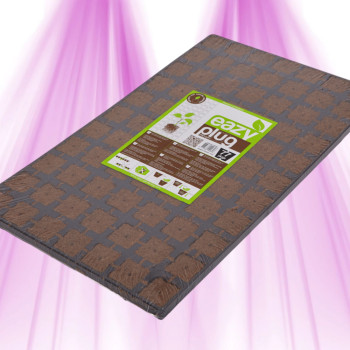
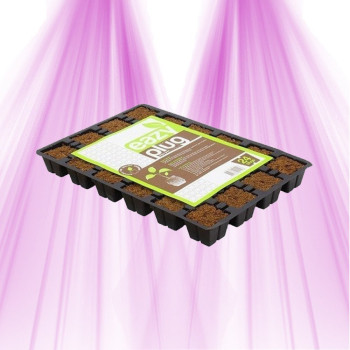
The Complete Seedling Kit Tubes LED semis V2 (déclinaison 60 cm) + Propagateur Pro 70 Plus + Eazy Plug · 77 cubes — the trio crosses the €89 threshold — free delivery to a Pickup Point.
111,08 € Add All to Cart
The Light Catalog
Choisir sa lampe horticole LED par surface, type, puissance ou marque
Quatre entrées, le même catalogue, à ta façon : la taille de ta box, le type d'éclairage LED, la puissance ou la marque.
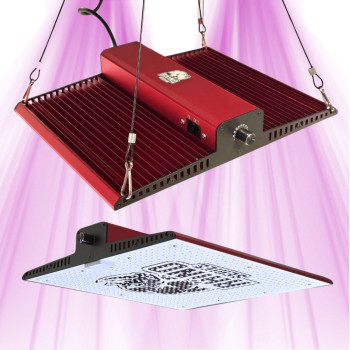


Can't find your size? The Catalog's 11 Sizes → · or see all the lights at once →
Panneaux57 lights Barres LED72 lights Ampoules9 lights Intensité variable77 lights Spectre ajustable18 lights Box de culture97 lights Serres49 lights Petits espaces29 lights Semis / Boutures46 lights Complément18 lights Tubes7 lights Murs végétaux11 lights Wifi5 lights OSRAM LEDs22 lights CREE LEDs6 lights Cultures exigeantes26 lights
0 – 100 W51 lights 100 W17 lights 200 W18 lights 300 W17 lights 400 W12 lights 500 W6 lights 600 W22 lights 700 W16 lights 800 W5 lights 900 W1 lights 1000 W et +6 lights
Switching from HPS? The equivalence table is right below.
Les repères
Comment choisir une lampe horticole LED : puissance, PPFD, efficacité
Cinq chiffres suffisent pour choisir une lampe horticole LED sans se tromper. Ce sont ceux qu'on utilise au comptoir, pas ceux des fiches marketing.
La surface d'abord, la puissance ensuite
Compte environ 130 W de LED horticole pour 60 × 60 cm, 200 à 260 W pour 80 × 80, 260 à 320 W pour 1 m², 400 à 500 W pour 120 × 120, 600 W et plus au-delà. Une lampe trop puissante se règle au dimmer ; une lampe trop faible ne se rattrape pas.
Le PPFD : la lumière qui arrive vraiment aux feuilles
Vise 200 à 400 µmol/s/m² pour les semis et boutures, 400 à 600 en croissance, 600 à 900 en floraison — jusqu'à 1 000 avec un apport de CO₂. Ce sont les photons utiles par mètre carré qui font pousser, pas les watts.
L'efficacité en µmol/J
Elle dit combien de photons la lampe produit par watt consommé. En 2026, un bon panneau LED horticole atteint 2,5 µmol/J ; les meilleurs multi-barres (Lumatek Zeus, SANlight EVO) dépassent 2,8 à 3 µmol/J. Une lampe à 2 µmol/J te coûte 25 % d'électricité en plus pour le même résultat.
La distance entre la lampe et les plantes
60 à 80 cm au-dessus des semis à intensité réduite, 45 à 60 cm en croissance, 30 à 45 cm en floraison à pleine puissance. Avec un dimmer, tu gardes la hauteur et tu joues sur l'intensité.
Panneau LED, barres LED ou ampoule ?
Le panneau LED horticole (quantum board) est le plus simple jusqu'à 1 m². Les multi-barres répartissent mieux la lumière sur 120 × 120 et plus, et se refroidissent seules. L'ampoule E27 ou GU10 suffit pour une plante ou un plateau de semis. Les COB, plus anciens, chauffent davantage.
Ce qui fait durer une lampe
Des diodes Samsung ou Osram, un driver Mean Well ou Inventronics, un dissipateur passif sans ventilateur, et un indice IP65 si ta box dépasse 70 % d'humidité. C'est ce qui sépare 50 000 heures réelles d'une lampe qui faiblit en deux saisons.
La puissance par surface, lampe par lampe : les tuiles par superficie → · le détail du PPFD : PPFD optimale →
From HPS to LED
Équivalence HPS → LED : quelle puissance de lampe horticole
Un repère de puissance : 35 % de watts en moins à durée égale, à ajuster selon ta culture.
| Your current HPS | Reference LED power | Electricity saved | Lights That Fit Right |
|---|---|---|---|
| HPS 250 W | 162,5 W LED | −35 % à durée égale | View Selection |
| HPS 400 W | 260 W LED | −35 % à durée égale | View Selection |
| HPS 600 W | 390 W LED | −35 % à durée égale | View Selection |
| HPS 1000 W | 650 W LED | −35 % à durée égale | View Selection |
Repère de puissance : watts LED = watts HPS × 0,65, soit 35 % de puissance en moins. À durée d'éclairage égale, cela représente 35 % d'énergie consommée en moins pour la lampe, hors ballast et accessoires. Ce calcul ne garantit pas une équivalence de rendement : vérifie le PPF, la surface et les besoins des plantes. No grow box yet? The world of grow tents is here →
The Full Kit
Accessoires pour lampe horticole : suspension, programmateur, câbles
Hang it, set a timer, plug it in: the small essentials that keep your light running, no DIY required.
Programmer

Suspendre
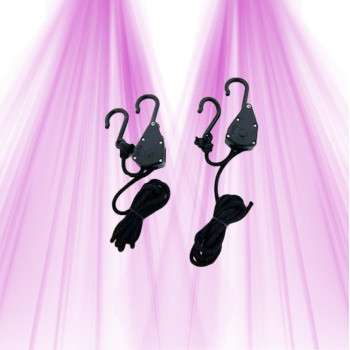


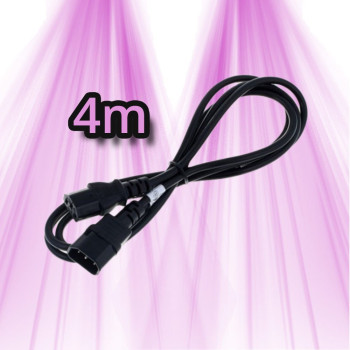
Missing something? All Electrical Accessories →
Our Partners
Les marques de LED horticole qu'on défend
We swear by 4 of them — and we stock around fifty more, scrolling just below.
BloomLED
Les ampoules SpectraBULB et barres SpectraB.2.G — la référence française du spectre horticole.
Made in France CannaLED
La série Rhino : panneaux plug & play avec LEDs Samsung, notre meilleure vente en box.
Le best-seller Lumatek
ATS, Zeus, Attis : la rigueur d'un géant de l'éclairage horticole, du compact au multi-barres.
La valeur sûre Future of Grow
Hyper Red, dimmer de précision : le haut de gamme pour les cultures qui ne pardonnent pas.
Le très haut de gamme 



















































Expert Advice
All guides Comprendre la LED horticole avant d'acheter : PPFD, hauteur, consommation
The guides thousands of growers read every month on our blog.
Help & advice
Questions fréquentes sur les lampes horticoles LED
On LED horticultural lamps — click a question to see the answer.
Quelle puissance de lampe horticole LED pour ma surface ?
En pratique : 130 W pour 60 × 60 cm, 260 W pour 100 × 100, 400 à 500 W pour 120 × 120, 600 W et plus au-delà. Les tuiles « par superficie » plus haut te donnent la lampe correspondante en un clic.
Qu'est-ce que le PPFD, et quelle valeur viser ?
Le PPFD mesure les photons utiles à la photosynthèse qui atteignent un mètre carré chaque seconde, en µmol/s/m². Vise 200 à 400 pour des semis, 400 à 600 en croissance, 600 à 900 en floraison. C'est le chiffre qui compte, avant les watts.
Que veut dire µmol/J sur une fiche de lampe horticole ?
C'est l'efficacité : le nombre de photons produits par joule d'électricité. Un bon panneau LED horticole fait 2,5 µmol/J ou plus en 2026, les meilleurs multi-barres dépassent 2,8. Plus le chiffre est haut, moins la lampe consomme pour le même résultat.
À quelle distance placer une lampe horticole LED des plantes ?
60 à 80 cm au-dessus des semis à intensité réduite, 45 à 60 cm en croissance, 30 à 45 cm en floraison. Avec un dimmer, on garde la hauteur et on ajuste l'intensité.
Panneau LED ou barres LED : lequel choisir ?
Le panneau (quantum board) jusqu'à 1 m², pour sa simplicité. Les multi-barres à partir de 120 × 120 : la lumière est mieux répartie et la lampe se refroidit seule. Pour une plante ou un plateau de semis, une ampoule E27 suffit.
Combien de temps dure une lampe horticole LED ?
Environ 50 000 heures, soit plus de 10 ans à raison de 12 h par jour. La durée réelle dépend surtout du refroidissement : une lampe qui respire tient plus longtemps qu'une lampe encastrée.
Les LED horticoles chauffent-elles ?
Beaucoup moins qu'un HPS : environ moitié moins de chaleur à évacuer. Un petit espace bien ventilé suffit dans la plupart des cas.
La lampe est en rupture : je fais quoi ?
Tu commandes quand même : la lampe est réservée à ton nom et part dès qu'elle arrive au dépôt. C'est le principe du réappro.
Je peux payer en plusieurs fois ?
Oui : 3× ou 4× dès 50 € d'achat, 10× ou paiement différé J+15 dès 100 €, avec Alma.
Can't find your answer? 01 88 33 45 52 or by message.
113 lampes horticoles LED, toutes commandables
In stock or on a dated restock, with a real person on the phone if you're still not sure.
Browse by areaNeed a grow box too? The grow room universe →
Learn more about the LED horticultural lamps
LED Grow Lights: The Ultimate Guide to Your Indoor Grows
LED grow lights have transformed the world of indoor growing, offering advanced technology that replicates the ideal lighting conditions for plant growth. Whether you’re a home gardener or a seasoned professional, these lights are designed to maximize your yields while minimizing your energy costs. In this article, discover why LED grow lights are a must-have, how to choose and use them, and which brands to choose for the best results.
Why Choose LED Grow Lights?
LED grow lights offer a revolutionary solution for indoor growers thanks to their multiple technological and economic advantages. They far outperform traditional options such as halogen or fluorescent bulbs.
Energy Efficiency
One of the biggest advantages of LED lights is their low energy consumption . They use up to 70% less energy than other types of lights, which helps reduce your electricity bills while reducing your carbon footprint. In addition, they generate less heat, eliminating the need for expensive cooling systems in your grow spaces.
Suitable for All Growth Phases
Unlike traditional bulbs, LED grow lights are designed to emit an adjustable light spectrum . This means they can be configured to meet the specific needs of your plants at each stage of their development, whether it’s germination, vegetative growth or flowering. This precise control ensures optimal growth, no matter what type of plant you’re growing.
The Different Types of LED Grow Lights
There are a wide range of LED lights available, each designed to meet specific needs. Understanding these differences is crucial to choosing the best model for your crops.
Full Spectrum Lamps
These lamps reproduce natural sunlight and are ideal for growers looking for a versatile solution. They cover all stages of plant growth, from germination to harvest. They are particularly suitable for spaces where several types of plants are grown simultaneously.
Specialized Lamps for Growth or Flowering
Some LED lamps are optimized for specific phases:
- Blue spectrum : Perfect for the vegetative growth phase, it promotes the development of robust leaves and stems.
- Red spectrum : Essential for flowering and fruiting, it stimulates the production of more abundant flowers and fruits.
Dimmable LED Lamps
These models offer the ability to adjust light intensity according to the needs of the plants. This flexibility is ideal for adapting to different periods of the day or specific varieties of plants.
How to Choose a LED Horticultural Lamp?
With so many options available, choosing the right lamp can seem complex. Here are the essential criteria to consider to make the best choice.
Power and Coverage Area
The power of a lamp (expressed in watts) should correspond to the size of your growing space. For example, a 300W lamp is suitable for an area of approximately 1 m² . Larger spaces require more powerful lamps or multiple connected units.
Light Spectrum and Temperature
The light spectrum is crucial for photosynthesis and plant growth. Opt for a full spectrum if you want a versatile solution or specific spectra to meet the specific needs of your crops.
Durability and Warranty
Investing in a quality LED grow light, with a manufacturer warranty, is essential to ensure long-term use. High-end LED lights have an average lifespan of 50,000 to 100,000 hours , offering considerable savings on frequent replacements.
Top LED Grow Light Brands on the Market
BloomLED
Known for its affordable and efficient lamps, BloomLED offers solutions adapted to amateurs and small growing spaces. Their products combine simplicity and performance.
Lumatek
A world leader, Lumatek stands out for its multi-bar systems, perfect for professionals looking to maximize their yields. Models like the Zeus 600W are highly prized for their quality.
Future of Grow
This innovative brand focuses on eco-responsible products, integrating the latest technologies to reduce energy consumption while optimizing plant growth.
Tips for Getting the Most Out of Your LED Lamps
Ideal positioning
To avoid burning the leaves, place your LED lights at a distance of 30 to 50 cm from the plants. This distance can be adjusted depending on the light intensity and the specific needs of the crops.
Daily Lighting Duration
Adjust the lighting duration according to the type of plant:
- Growing plants : 16 to 18 hours per day.
- Flowering plants : 12 hours per day to mimic natural cycles.
Maintenance and Cleaning
Keep your lamps clean to prevent dust build-up, which can reduce their effectiveness. Also, inspect cables and connections regularly to ensure safe operation.
FAQ: Your Questions about LED Grow Lights
Do LED lights get hot?
Although they emit less heat than other types of lamps, a slight heat may be felt after prolonged use. However, this does not affect your plants or the environment.
How long do they last?
LED grow lights have an impressive lifespan, often between 50,000 and 100,000 hours , which equates to several years of continuous use.
Can I use standard LEDs for my plants?
No. LED grow lights are specially designed to provide a light spectrum suitable for photosynthesis, which conventional LEDs cannot offer.
Why Buy Your LED Grow Lights from Us?
By choosing our products, you benefit from:
- Competitive prices to suit all budgets.
- From a wide selection to meet all needs, from amateurs to professionals.
- With fast delivery and a warranty included , ensuring peace of mind with every purchase.
Conclusion: Invest in LED Grow Lights to Maximize Your Harvests
LED grow lights combine efficiency, durability and adaptability, making them an ideal choice for indoor growing. Discover our range of LED grow lights today and transform your growing spaces into veritable havens of greenery.


