




































































IndoorLed
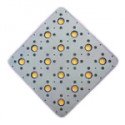
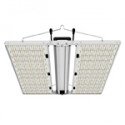
Quantum MAX 150W - Full Spectrum - LED horticultural lamp for grow box
In stock · Shipped within 24 h
268,00 € or 3× 89,33 €

Product successfully added to your shopping cart
Ça pousse dans le bon sens

1 product
Indoor Led has been an LED manufacturer since 2007 specializing in horticultural lighting and offers a quality, innovative and powerful range.
Help & advice
About Indoorled — click a question to see the answer.
To choose the right wattage, I advise you to first consider the growing area and the specific needs of your plants. Generally, for a small area (60x60 cm), a model like the Quantum MAX of 100-150W may suffice. For a larger area, I would increase the wattage, or opt for multiple modules. Remember that the advertised wattage isn't everything; luminous efficacy (PPF/W) is crucial.
Installing a horticultural LED lamp is generally simple. I always start by securely attaching the fixture to the ceiling of my grow room or to a suitable structure, using the provided hangers. Then, I make sure the power cable is properly connected and secured. The last, but not least, step is to adjust the height of the lamp relative to your plants' canopy, which is essential for optimal growth.
The ideal distance between your horticultural LED and your plants depends on your lamp's wattage and the growth stage of the plants. Generally, for young seedlings, I recommend a greater distance (around 40-60 cm) to avoid light stress. For plants in full growth or flowering, I can move the lamp closer (20-40 cm), but you must always monitor for signs of burning or bleaching of the leaves. Each model, like an HPS Killer, will have its own recommendations.
The main difference, and what I observe most often, lies in energy efficiency and the light spectrum. LEDs, like those from Indoor Led, are much more energy-efficient and produce less heat, which simplifies climate management. They also offer a more precise and customizable light spectrum, unlike HPS which have a broader but less optimized spectrum. I would say that LEDs are a higher initial investment, but more cost-effective in the long run.
Horticultural LED lighting is used to provide the necessary light spectrum for photosynthesis in your plants, in the absence of sufficient natural light. It allows plants to grow, flower, and fruit indoors, by precisely controlling the intensity and quality of the light. It is an indispensable tool for indoor cultivation, allowing you to reproduce the ideal conditions for each stage of the plant's life.
To know if an LED lamp is suitable, I look at several essential criteria. Firstly, the light spectrum must match the needs of your plants (growth, flowering). Then, the wattage and light coverage must be sufficient for your growing area. I also check the PPF (Photosynthetic Photon Flux) and luminous efficacy. Don't hesitate to consult the product datasheets, such as those for Tarantula models, to compare these values.
The most common mistake I see is not respecting the recommended distance between the lamp and the plants, which can lead to light stress or etiolation. Another mistake is neglecting ventilation; even if LEDs heat up less than HPS, good air circulation remains essential. Finally, I advise against choosing an undersized lamp for your space, as this would compromise the yield of your crop.
The choice of light spectrum is crucial. For vegetative growth, I favor a blue-rich spectrum. For flowering, a spectrum with more red and far-red is ideal for stimulating flower and fruit production. Many of our models, such as the Master COB, offer full or adjustable spectra to adapt to all phases of your plants' development.
Cannot find your answer? 01 88 33 45 52 or by message.


