




































































Eazy Plug
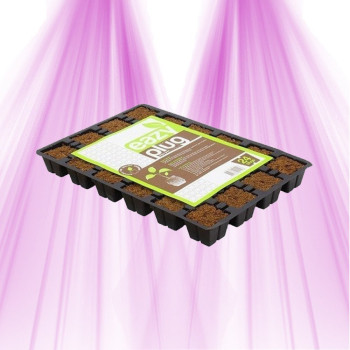
Cubes for cuttings EazyPlug - 24 Cubes
Available in 3 models
In stock · Shipped within 24 h
10,89 €

Product successfully added to your shopping cart
Ça pousse dans le bon sens

22 products
Other substrates encompass all growing media that venture beyond traditional potting soil. Perlite, vermiculite, expanded clay, germination cubes... These materials offer specific properties to optimize drainage, aeration, or delicate phases like cloning. In indoor cultivation, they perfectly complement your arsenal for tailored results.
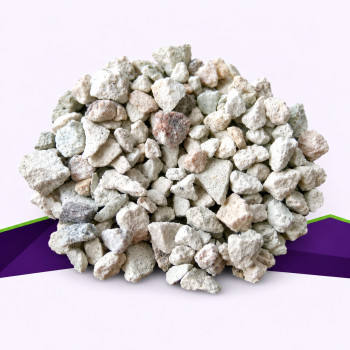
Each alternative substrate addresses a specific need. Perlite GL-3/6 - 10L drastically improves drainage while maintaining excellent nutrient penetration. It's an expanded volcanic material, sterile and non-toxic, resistant to biological decomposition. Perfect for lightening overly compact potting soil or creating a custom mix.
For germination and cloning, nothing beats specialized cubes. Root Riot - 24 germination and cloning cubes measure 3x3x5 cm and provide a perfectly calibrated environment for root development. The 31x20x5 cm tray facilitates handling and transport of your young plants.
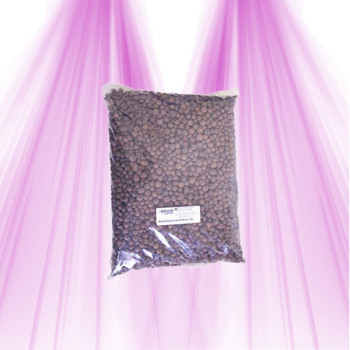
Expanded Clay 10L - 8-16mm revolutionizes hydroponic cultivation with its light and airy structure. Its stabilized pH between 5.5 and 6.5 is perfectly suited to plant needs, while its porosity optimizes moisture and nutrient management.
The choice depends on your growing technique and objectives. To improve existing potting soil, Vermiculite 10L lightens heavy substrates and stimulates germination thanks to its water retention capacity. It prevents compaction and promotes rapid seedling growth.
For delicate seedlings, Seedling soil - GD SeedMix - 2.5L offers a light, ready-to-use formula. Its composition facilitates root development while reducing water stress through optimal moisture retention without excess.
Granulometry matters greatly. Expanded clay 8-16mm is suitable for hydroponic systems, while perlite 3-6mm integrates perfectly into soil mixes. Also consider retention capacity: vermiculite retains more water than perlite, which prioritizes drainage.
The choice depends on your growing system. Clay pebbles are perfect for hydroponics with their stable pH and excellent drainage. Coco coir offers a good compromise between water retention and aeration for potted cultivation. Sphagnum moss excels for cuttings and seedlings due to its natural antifungal properties. For beginners, expanded clay remains the easiest to manage.
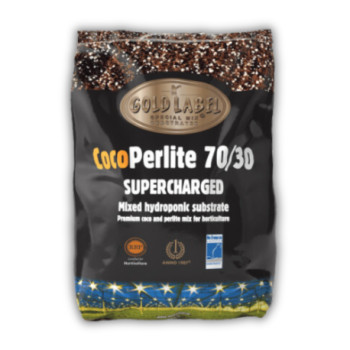
First, rinse the coco to remove excess salt, then gradually hydrate it with pH-adjusted water to 6.0. Mix with 20-30% perlite to improve drainage. Let it rest for 24 hours before planting so that the moisture distributes evenly. Check that the substrate crumbles easily between your fingers without sticking.
Perlite-amended potting soil retains more nutrients due to its organic base but compacts over time. Coco fiber maintains its airy structure longer and offers better watering control. However, coco requires more regular nutrient input as it contains few fertilizing elements. For beginners, perlite-amended potting soil is more forgiving of watering mistakes.
Water sparingly but frequently, ideally 2-3 times a day in small amounts. Expanded clay dries quickly, so monitor root moisture rather than the surface. Use a drip system or a watering timer to maintain consistent humidity. Rinse the pebbles every 15 days with clear water to prevent salt accumulation.
Sphagnum moss is naturally acidic (pH 3.5-4.5); add dolomitic lime at a rate of 2-3g per liter to raise it to around 6.0. Mix well and let it stabilize for a week before use. For maintenance, monitor the pH monthly as sphagnum tends to acidify over time. Partially renew the substrate every 6 months to maintain its antifungal properties.
Available in 3 models
Available in 2 models
Available in 2 models
Available in 3 models
Help & advice
About Other substrates — click a question to see the answer.
The choice of substrate really depends on your goals and experience level. For a beginner, I often recommend starting with a good enriched potting soil, but if you're looking to optimize drainage or aeration, adding perlite or vermiculite is an excellent complement. For cuttings or germination, specialized media like germination cubes are ideal. You must always consider the specific needs of the plant at each stage of its growth.
This is a common question and the distinction is important! Perlite is an expanded volcanic rock, very light, which excels at improving drainage and aeration of the substrate. It retains very little water. Vermiculite, on the other hand, is a mineral that has the ability to retain water and nutrients, while also offering good aeration. I often use it for seedlings or cuttings where consistent moisture retention is crucial.
Expanded clay pebbles, like Plagron's Euro Pebbles, are fantastic for several uses. I primarily use them to improve drainage at the bottom of pots, thus preventing root waterlogging. They are also the substrate of choice in hydroponics and aeroponics, as they offer excellent root support while allowing easy access to nutrient solution and oxygen. They are reusable after sterilization, which is an ecological plus.
Cutting and germination cubes are designed to simplify these delicate stages. I always moisten them slightly before use, then insert the seed or cutting. Their structure ensures optimal aeration and ideal moisture retention for the development of young roots. Products like EazyPlug cubes or the ROOT IT cutting kit are very effective and easy to handle, even for beginners.
For cuttings, I always favor substrates that offer excellent moisture retention without being waterlogged, and good aeration to prevent rot. Cutting cubes like Root Riot or EazyPlug are my favorites because they are sterile and provide a perfect environment. An alternative is a light mix of peat (or coco) and perlite or vermiculite. The important thing is to create a medium conducive to rapid and healthy rooting.
The most common mistake I see is overwatering, often due to a substrate that is too compact or poorly drained. Another mistake is not adapting the substrate to the specific needs of the plant or the growth phase. For example, using potting soil that is too rich for seedlings can burn them. I always advise researching the needs of each plant and not hesitating to amend your substrate with perlite or vermiculite to improve it.
Several signs can tell you if your substrate is suitable. If your plants are growing vigorously, have beautiful green foliage, and healthy roots, that's a good sign! Conversely, yellowing leaves, stunted growth, signs of rot, or the substrate drying out too quickly or too slowly are indicators that you may need to revise your mix. I always check drainage and aeration by observing how quickly water drains after watering.
Between Root Riot and EazyPlug, both are excellent choices for cuttings and germination, and I use them interchangeably. Root Riot is made from composted peat, offering a very fibrous structure that promotes rooting. EazyPlug, on the other hand, is composed of organic materials bound by a polymer, which gives it great stability and excellent water and air retention. The choice will often come down to personal preference or availability, as the results are generally very similar and effective with both.
Cannot find your answer? 01 88 33 45 52 or by message.