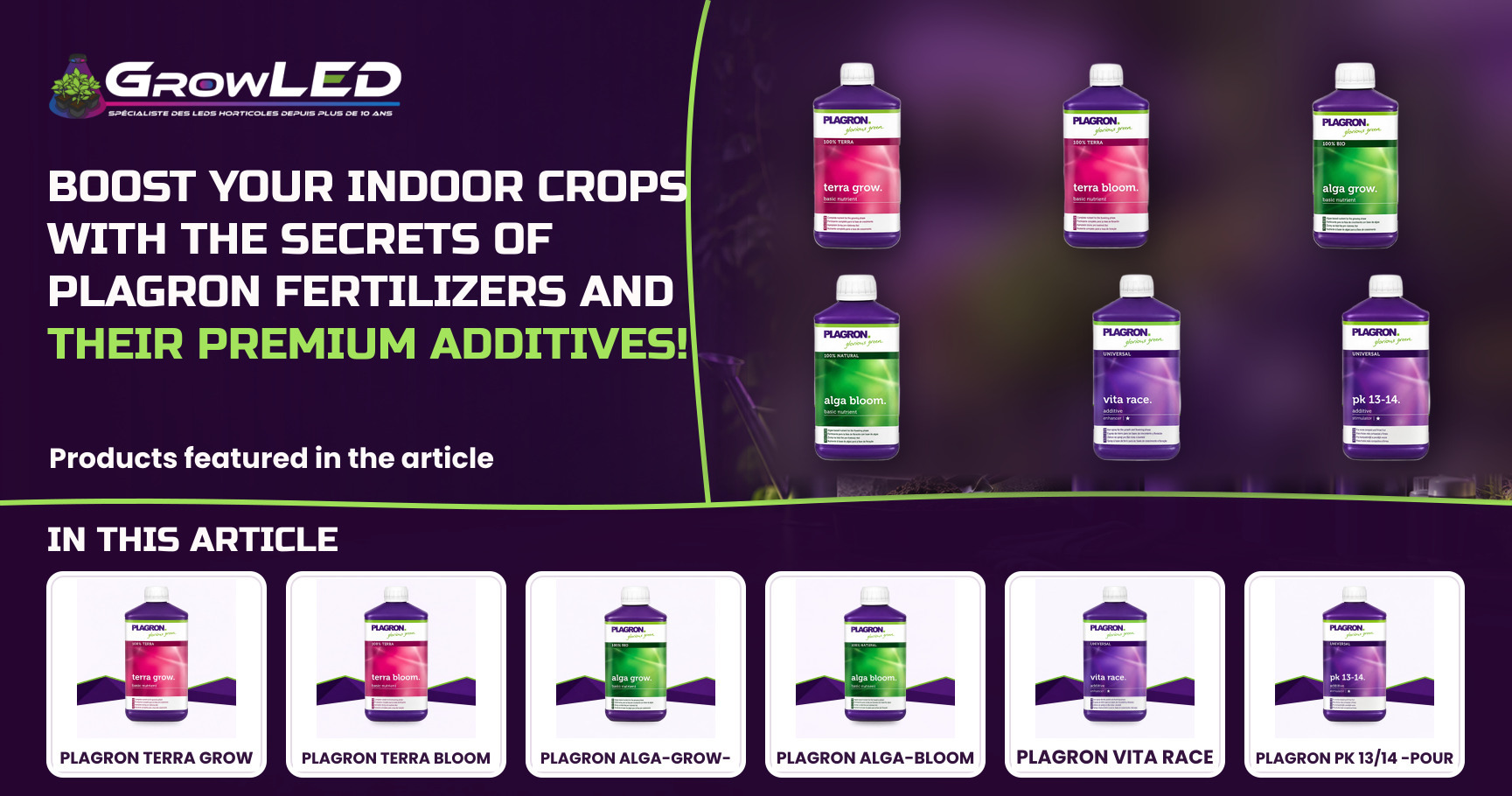
Other Fertilizer Supplements: The Additives That Make a Difference in Indoor Growing
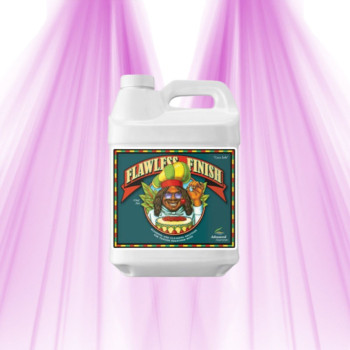
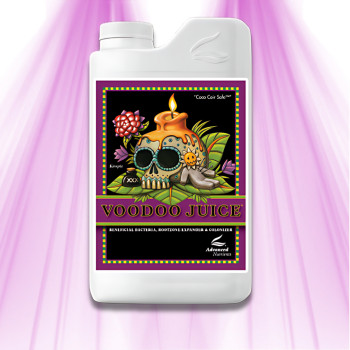
Other fertilizer supplements encompass all those specialized additives that complement your basic nutritional program: root stimulators, enzymatic boosters, flowering activators, amino acid solutions... These products target specific needs of your plants at different growth stages. Unlike classic NPK fertilizers, they act as catalysts to optimize nutrient absorption, strengthen the root system, or trigger particular metabolic processes.
Why Use These Fertilizer Supplements in Indoor Growing
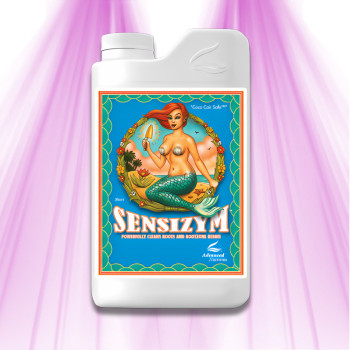
In indoor growing, your plants thrive in a controlled but artificial environment. Root stimulators become crucial for developing a dense and efficient root system, especially in inert substrates like rock wool or clay pebbles. Enzymes, on the other hand, break down dead roots and organic residues, preventing the accumulation of decaying matter that could harm substrate oxygenation.
Flowering boosters often contain natural hormonal precursors that intensify flower production. Frankly, the difference is quickly noticeable: more flowering sites, increased density. Amino acid solutions act as building blocks for plant proteins, particularly useful after stress (pruning, repotting) or during rapid growth phases.
How to Choose Your Fertilizer Supplements Wisely
The choice primarily depends on your growing system. In hydroponics, favor pure mineral supplements that won't clog your irrigation systems. Dilutions are generally lower: 0.5 to 2ml/L for most stimulators. In soil, you can opt for organic solutions with a higher concentration of active ingredients.
Look at the composition: a good root stimulator contains natural auxins, B vitamins, and often humic acids. Effective enzymatic boosters display their concentration in enzymatic activity units, not just a vague percentage. For flowering, look for products rich in chelated phosphorus and terpene precursors.
Timing is crucial: root stimulators are mainly used at the beginning of the cycle and after each repotting. Enzymes can be applied continuously at a low dose. Flowering boosters come into play as soon as the first pistils appear and during the first 3-4 weeks of flowering.
Frequently Asked Questions
How to choose a root stimulator suitable for my indoor soil cultivation?
For soil, opt for a stimulator containing mycorrhizae and beneficial bacteria in addition to classic root hormones. These microorganisms create a symbiosis with the roots and improve nutrient absorption. Check that the product contains natural auxins (indole-3-butyric acid) rather than synthetic hormones. The concentration should be appropriate: 1-2ml/L maximum in soil because the substrate retains active ingredients better than hydroponics. Apply from transplanting then once a week during the first 3 weeks of growth.
What is the correct dilution for adding an enzymatic booster to my watering?
The standard dilution for enzymes is between 0.5 and 1ml/L of watering water, but this depends on the product's concentration. Quality enzymes display their activity in units (IU/ml): aim for 50-100 IU per liter of water. Always start with the lowest dose and observe your plants' reaction. In hydroponics, you can maintain this dose permanently in your nutrient solution. In soil, apply once a week or after each watering if you use organic fertilizers that leave residues.
Is an organic stimulator more effective than a mineral one for boosting flowering?
Both approaches have their advantages depending on your setup. Organic boosters (algae extracts, molasses, amino acids) also nourish the microbial life of the substrate and release their nutrients gradually. They are perfectly suited for soil and coco-perlite mixes. Mineral boosters act faster because their nutrients are directly assimilable: ideal for hydroponics or when you want an immediate reaction. In terms of pure effectiveness, a good mineral booster with chelated phosphorus and potassium sulfate will yield more predictable and measurable results.
How to integrate enzymatic solutions into my hydroponic system without risking an overdose?
In hydro, enzymes are dosed more precisely because they remain active longer in the solution. Start with 0.3ml/L and gradually increase up to 0.8ml/L maximum. Monitor your EC: enzymes do not increase it, but they can release salts by breaking down organic matter, which increases conductivity. Renew your nutrient solution every week to avoid the accumulation of used enzymes. If you use UV or ozone for sterilization, add the enzymes after these treatments as they destroy them.
How often should I apply these fertilizer supplements to maintain my indoor plants?
The frequency depends on the type of supplement and your system. Root stimulators are applied once a week during growth, then stopped during flowering. Enzymes can be used continuously at a low dose (0.5ml/L) or once a week at a normal dose (1ml/L). Flowering boosters are used 2-3 times a week during the first 4 weeks of flowering, then gradually decreased. In hydroponics, strictly adhere to the doses because over-fertilization is quickly noticeable. In soil, you have more leeway but avoid applications that are too close together, which saturate the substrate.