


































































GrowLED Essentials
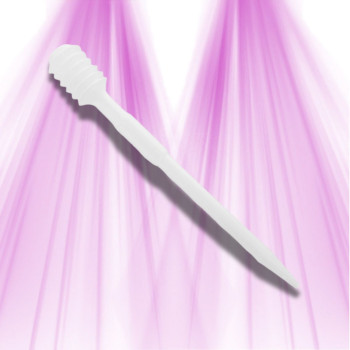
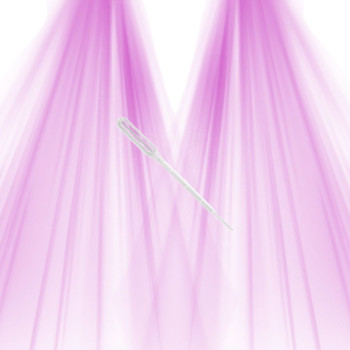
Pipettes Pasteur Graduées 3 ml en PE – Dosage Précis et Fiable
In stock · Shipped within 24 h
0,30 €

Product successfully added to your shopping cart
Ça pousse dans le bon sens

7 products
Syringes and dispensers are essential tools for successful nutrient mixing in indoor cultivation. Whether you're preparing 1 liter or 100 liters of solution, precise dosing of your liquid fertilizers makes all the difference between an average harvest and outstanding results. Honestly, trying to dose by eye or with bottle caps is the best way to burn your plants or waste your nutrients.
Precision is where it all changes. Your liquid fertilizers are often dosed to within a few milliliters per 10 liters of water. An overdose of 2-3mL can cause nutrient burn, while an underdose slows growth. Graduated syringes allow for milliliter-accurate dosing, impossible with other methods. The 10mL/20mL Syringe quickly becomes your best ally for concentrated boosters and additives that are dosed in small quantities.
Dispensers resist the acidic and basic pH of nutrient solutions, unlike classic medical syringes which degrade quickly. Their graduations remain legible even after dozens of uses. For larger volumes, graduated pitchers take over: the 10mL - 500mL Graduated Pitcher allows you to prepare large quantities of mother solution or precisely measure water before adding nutrients.
The choice depends on the volume to be dosed and the frequency of use. For basic fertilizers that are dosed between 1 and 10mL per liter, a 10-20mL syringe is more than sufficient. Flowering boosters, root stimulators, and concentrated additives often require doses of 0.5 to 5mL: here too, a small capacity syringe ensures precision.
For growers who regularly prepare large volumes or work with several types of fertilizers, graduated pitchers become indispensable. The 2mL / 50mL Graduated Pitcher perfectly covers the intermediate range: precise enough for small doses, large enough to avoid multiple samplings.
Always check the graduations: markings every 0.5mL or 1mL allow for finer dosing than graduations every 5mL. The transparency of the plastic also matters – it's impossible to read the level correctly with an opaque or yellowed dispenser.
For most basic fertilizers, a 10-20mL syringe covers 90% of indoor cultivation needs. Growth and flowering fertilizers are generally dosed between 2 and 8mL per liter of water. A 20mL syringe allows for easy dosing for 10-15 liters of solution in a single draw. For highly concentrated additives (stimulators, PK boosters), a 5-10mL syringe offers more precision for small doses of 0.5 to 3mL per liter.
Slowly draw the liquid by pulling the plunger steadily to avoid air bubbles that distort the measurement. Read the level at the bottom of the meniscus (the curve of the liquid) by holding the syringe at eye level. For viscous liquids, gently tap the syringe to bring bubbles to the surface. Then empty into your reservoir by pushing the plunger in a continuous motion. Rinse immediately after use to prevent residues from drying and clogging the mechanism.
Syringes offer a larger capacity (5 to 50mL) and are better suited for basic fertilizers that are dosed in significant quantities. Their plunger allows precise flow control during emptying. Graduated pipettes, being finer, excel for micro-doses of highly concentrated additives (0.1 to 2mL) but their limited capacity makes them impractical for main fertilizers. In indoor cultivation, syringes remain more versatile and durable than disposable pipettes.
Quality syringes are perfectly resistant to organic and mineral fertilizers, even acidic or basic ones. They withstand hundreds of use cycles if properly maintained. However, avoid highly corrosive products like concentrated nitric acid or bleach-based cleaners that can attack the plastic. The plunger seals can degrade after intensive use with very viscous liquids, but are easily replaceable on quality models.
Rinse immediately with clear water after each use to prevent fertilizer residues from crystallizing and blocking the mechanism. For thorough cleaning, disassemble the plunger and soak the parts for 10 minutes in warm soapy water. Gently brush the graduations with a soft toothbrush if necessary. Dry completely before reassembly to prevent mold formation. Store disassembled syringes in a dry place – a plunger stuck by moisture quickly becomes unusable.
Available in 2 models
Available in 2 models
Help & advice
About Syringes / Dosers — click a question to see the answer.
In indoor cultivation, dosing syringes are absolutely crucial for precision. They allow me to measure liquid fertilizers and additives to the nearest milliliter, which I add to my nutrient solution. This ensures that my plants receive exactly what they need, neither too much nor too little, thus avoiding deficiencies or excesses that could be fatal to them.
To choose a syringe, I first look at the capacity and graduations. For small volumes (less than 10 ml), I prefer syringes with fine graduations (0.1 ml). For larger volumes, a 20 ml or 50 ml syringe with 1 ml graduations is more practical. I also check the quality of the plastic for its durability and resistance to chemicals.
The main difference lies in precision and volume. Syringes are ideal for very precise dosages of a few milliliters. Pipettes, often graduated, are perfect for even smaller volumes, in the order of microliters or milliliters, but are more fragile. Measuring cups, on the other hand, are suitable for larger volumes (from 50 ml and up), when millimeter-level precision is not always essential.
I recommend having a small assortment. For highly concentrated additives or micro-dosages, a 5 ml or 10 ml syringe with fine graduations is perfect. For base fertilizers, which are often dosed at a few milliliters per liter, a 20 ml or 50 ml syringe is more suitable. If I'm preparing very large volumes of solution, I might even consider a 100 ml syringe or a measuring cup.
Yes, absolutely! Dosing syringes are designed to be reusable. This is both an economic and ecological advantage. However, it is essential to clean them thoroughly after each use to avoid cross-contamination between different products and to extend their lifespan. I never throw them away after a single use.
To clean a syringe, I rinse it thoroughly with clean water, ideally demineralized water to avoid limescale deposits. I push and pull the plunger several times to clean the inside thoroughly. To sterilize it, I can soak it for a few minutes in a diluted bleach solution (1 part bleach to 9 parts water) or a specific disinfectant solution, then I rinse it very carefully. Air drying is then sufficient.
The first mistake to avoid is not cleaning your syringe between two different products, which can create undesirable chemical reactions. Then, I always make sure to carefully read the dosing instructions from fertilizer manufacturers, as concentrations vary greatly. I also explain the importance of understanding your fertilizers in this article on Advanced Nutrients. Finally, I never dose directly into the fertilizer bottle to avoid any contamination.
Yes, syringes are particularly suitable for hydroponic cultivation! In hydroponics, the precision of nutrient dosing is even more critical than in soil, as plants depend entirely on the nutrient solution. A syringe allows me to finely adjust concentrations to maintain a perfect balance and optimize the growth of my plants. It's an indispensable tool in my hydroponic kit.
For a beginner, I recommend an assorted pack. Ideally, it should contain a 5 ml syringe (for highly concentrated additives), a 20 ml one (for base fertilizers), and possibly a 50 ml one for larger volumes. This covers most needs without having to buy each syringe individually. It's a good starting point for getting familiar with precise dosing.
Cannot find your answer? 01 88 33 45 52 or by message.