



































































Expert LED horticole depuis 2009 +50 000 commandes livrées Note boutique 4,7/5 · 1 766 avis King-Avis SAV horticole français
Catalog
Anti-insect and disease treatments
3 products
Insect and disease treatments: effectively protect your indoor crops
Insect and disease treatments are essential for maintaining healthy indoor crops. Whether it's aphids, spider mites, thrips, or fungi, these pests can quickly destroy weeks of work. Adapted protection makes the difference between a successful harvest and a complete disaster.
Why choose specialized treatments for indoor cultivation
The confined environment of indoor cultivation creates perfect conditions for pest proliferation. Stable temperature around 24°C, high humidity (60-70% RH), absence of natural predators: it's a paradise for insect pests. Unlike outdoor crops, you don't have a natural ecosystem to regulate populations. This is where targeted treatments become crucial.
Modern solutions offer several approaches: biological treatments based on Bacillus thuringiensis or neem oil act gently without disturbing the balance of your plants. Systemic insecticides penetrate the sap and protect from within for several weeks. Frankly, having a complete range on hand avoids a lot of hassle when an infestation starts.
How to choose the right pest control treatment
The choice first depends on the type of pest identified. Green or black aphids are effectively treated with 5% diluted black soap or natural pyrethrins. For spider mites, formidable in hot and dry weather, 0.5-1% neem oil remains the reference, applied at the end of the day to avoid foliar burns.
Speed of action also matters. Thrips, these tiny insects that leave silvery traces on leaves, require a shock treatment with abamectin-based products. Whiteflies require a combined approach: yellow sticky traps + foliar treatment every 5 days for a minimum of 3 weeks.
Also consider the stage of your plants. During advanced flowering, prioritize biological solutions such as beneficial insects (Amblyseius, Phytoseiulus) or essential oils. During growth, you can use more powerful treatments without risking the final quality.
Frequently asked questions
Which treatment to choose depending on the type of pest?
Each pest has its specific weaknesses. Aphids succumb to black soap (50ml/L) or ladybugs if you prefer fully organic. Spider mites hate humidity: increase humidity to 70% and spray neem oil every 3 days. For thrips, combine blue sticky traps and spinosad, a very effective natural insecticide. Whiteflies require patience: Encarsia formosa (parasitic micro-wasp) + yellow traps give excellent results in 4-6 weeks.
Which products are authorized in organic farming?
Organic farming authorizes several very effective natural solutions. Neem oil, extracted from the neem tree, acts as a repellent and hormonal disruptor without toxic residues. Bacillus thuringiensis specifically targets caterpillars and larvae without affecting other insects. Natural pyrethrins, derived from chrysanthemums, offer a rapid shock effect but degrade quickly in light. Potassium black soap remains a classic for aphids and scale insects. These products bear the mention "usable in organic farming" on the label.
How to apply an insecticide correctly?
Application should always be done at the end of the day, 1 hour before lights out, to avoid foliar burns. Strictly respect the dosages: 5-10ml/L for neem oil, 20-30ml/L for black soap. Spray finely on all sides of the leaves, especially the underside where most pests hide. Repeat every 5-7 days for a minimum of 3 weeks to break the reproduction cycle. Always wear gloves and a mask, even with organic products. Good ventilation during and after treatment prevents moisture accumulation conducive to fungi.
What are the differences between chemical, biological, and natural treatments?
Synthetic chemical treatments act quickly with a shock effect in 24-48 hours, but leave residues and can create resistance. Biological solutions use living organisms (bacteria, fungi, beneficial insects) for sustainable control without residues, but take more time (1-2 weeks). Natural products like neem oil or essential oils offer a good compromise: decent effectiveness, rapid biodegradability, but require more frequent applications. In indoor cultivation, the combination of organic + natural often gives the best long-term results.
How to prevent the appearance of pests?
Prevention begins with hygiene: disinfection of equipment, quarantine of new plants, regular cleaning of the growing space. Maintain stable humidity (50-60% during growth, 40-50% during flowering) and good air circulation with air movement 3-4 times the volume of the space per minute. Inspect your plants daily, especially the underside of leaves and young shoots. A monthly preventive treatment with neem oil (0.3%) discourages pest establishment. Yellow and blue sticky traps allow early detection of the first arrivals and action before a population explosion.
Showing 1-3 of 3 1/1

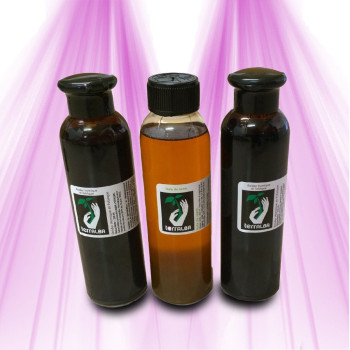
Terralba
2 Review(s)
Trio Terralba Humic & Fulvic Acid 250 mL - Neem - Molasses
Ships within 2 weeks
29,90 €

Prot-Eco
BIO NEEM Prot-eco – Huile de neem biologique 100 % graines – Protection…
Ships within 2 weeks
24,90 €
Satisfait ou remboursé
14 jours
Retour 14 jours
Frais de retour à votre charge
SAV expert FR
Conseil horticole
Paiement en 3, 4 ou 10 fois
Sans frais par CB