




































































Garden HighPro
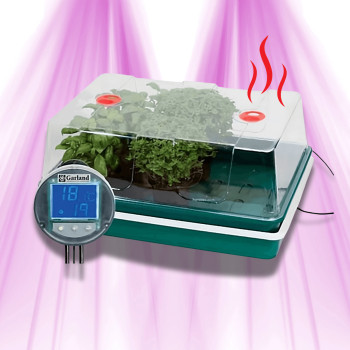
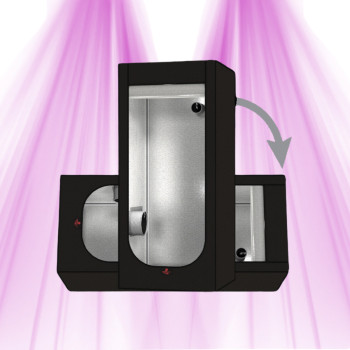
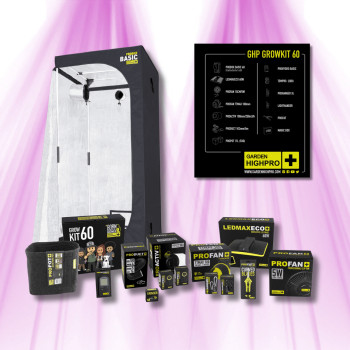
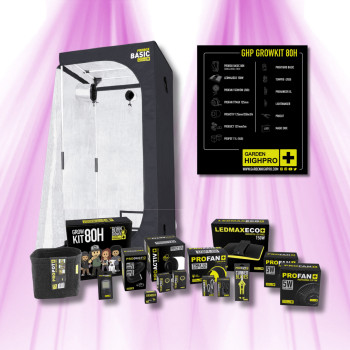
PROBOX Propagator M - Grow box 80x60x40 cm
In stock · Shipped within 24 h
63,90 € or 3× 21,30 €

Product successfully added to your shopping cart
Ça pousse dans le bon sens

8 products
A grow tent for seedlings, cuttings, and germination is the dedicated space that will make all the difference for your young plants. Unlike large grow tents, these compact spaces are specifically designed to create a perfect microclimate during the most delicate phases: seed germination, cutting rooting, and the development of the first seedlings. With precise control of temperature, humidity, and lighting, you maximize your chances of success right from the start.
Frankly, this is where it changes everything compared to a windowsill or a makeshift setup. A real grow tent for seedlings allows you to maintain a stable temperature between 20-25°C, crucial for germination. Relative humidity can be precisely adjusted around 70-80% for cuttings, which would be impossible to control in an open space.
These compact spaces consume much less energy than a large tent. A 50-100W LED light is more than enough to illuminate 0.5 to 1m² of seedling surface, compared to 400-600W needed for mature plants. Ventilation is also gentler: a small extractor of 100-150 m3/h maintains optimal air renewal without creating drafts that would dry out your young shoots.
Size is the first criterion. For an apartment, a 60x60x80cm or 80x80x160cm tent largely covers the needs of an amateur grower. This represents 20 to 40 seedling pots depending on the organization. Larger, you waste energy; smaller, you limit your projects.
Thermal insulation matters greatly. Models with mylar reflective fabric and airtight closures retain heat better. Also check the strength of the structure: minimum 16mm tubes, metal connectors rather than plastic. A tent that moves at the slightest touch is a guarantee of problems in the long run.
For access, prefer models with wide front openings and observation windows. Monitoring the evolution of seedlings without constantly opening the tent avoids thermal shocks and humidity variations.
For an apartment, a 60x60x80cm tent is perfect for getting started. It easily accommodates 20-30 seedling pots or about fifteen cuttings in cups. If you want to do several cycles or test different varieties, opt for an 80x80x160cm which doubles the capacity. Beyond that, you enter dimensions that can pose discretion and electricity consumption problems in a standard dwelling.
For germination, maintain 22-25°C continuously with 60-70% humidity. Cuttings require more humidity: 75-85% for the first few days, then gradually reduce to 65%. A digital hygrometer with a remote probe gives you exact measurements. If the temperature rises above 28°C, germination slows down; below 18°C, it can stop completely.
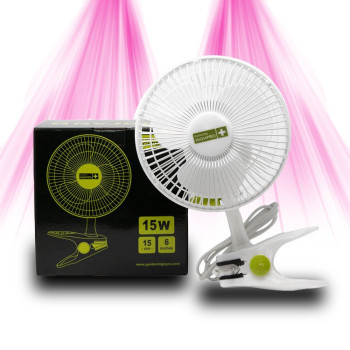
A heating mat is almost essential in winter or in a cool room. A 20-40W model under the seedling trays maintains the substrate temperature at 22-24°C even if the ambient air drops. For ventilation, a small 15cm oscillating fan is sufficient to circulate the air without creating a direct draft on the plants. The extractor can run continuously at reduced speed or in 15-minute cycles every hour.
Choose a corner with a nearby electrical outlet and avoid high-traffic areas. Assembly takes 30-45 minutes: first assemble the metal structure, then stretch the fabric starting from the bottom. Install the lighting first, then the extractor at the top and the intake at the opposite bottom. Leave 20cm around for access and ventilation. A programmable timer simplifies day/night cycle management.
Between each cycle, clean the walls with diluted bleach (1 part bleach to 9 parts water) then rinse with clear water. Disinfect trays and tools with 70% alcohol. Check that the extractor is working correctly: stagnant air promotes fungi. During cultivation, monitor condensation on the walls and slightly increase ventilation if necessary. Substrate that remains soggy for more than 24 hours after watering indicates a drainage or ventilation problem.
Help & advice
About Culture room Seedling / Cutting / Germination — click a question to see the answer.
To choose your grow tent dedicated to seedlings and cuttings, I advise you to focus on the size adapted to the space you have and the number of plants you wish to start. Also, consider the quality of the materials, especially the fabric (resistance to light and humidity) and the zippers. Finally, check for ventilation openings and cable passages. I often recommend starting with a compact size if you are a beginner.
The main difference is size and purpose. A grow chamber for seedlings and cuttings is generally smaller and designed specifically for the plant's early life stages: germination, rooting, and juvenile growth. A grow tent, on the other hand, is often larger and intended to house more mature plants for their full growth cycle, including flowering. In practice, the seedling grow chamber offers a more controlled microclimate for young shoots.
A germination grow chamber is essential for creating an optimal and stable environment for your seeds. It allows you to maintain constant temperature and humidity, two crucial factors for a high and rapid germination rate. It also protects young seedlings from external variations and pests, giving them the best chance to start their life in good conditions. It's an investment that pays off in terms of successful cultivation.
For seedlings and cuttings, you don't need very high light power. I generally recommend low-power LEDs, between 20 and 50 actual watts for a small grow chamber (around 60x60 cm). The important thing is to have an adapted light spectrum, often dominated by blue, which promotes vegetative growth and root development. Too much light at this stage can stress or burn young plants.
Setting up a germination grow chamber is quite simple. First, choose a stable location away from direct sunlight. Assemble the structure according to the manufacturer's instructions (I often explain assembly in articles like the one on the Homebox Q60). Then, install your LED lighting at an appropriate height (often between 15 and 30 cm from the plants), a small fan for air circulation, and a hygrometer/thermometer to monitor conditions. Simplicity is often key for beginners.
With cuttings, the most common mistakes I see are excessive humidity or, conversely, a lack of humidity, as well as poorly adjusted lighting. Avoid saturating the substrate with water, as this can cause rot. Maintain high ambient humidity (70-90%) but with good air circulation to prevent mold. Also, do not place the light too close, as cuttings are fragile. Patience is also essential; rooting takes time.
For an indoor growing beginner, I advise choosing a grow tent that is compact and easy to assemble. Small models, such as 60x60x120 cm grow tents or even smaller, are perfect for getting started. They are less intimidating to manage and allow you to start with a moderate investment. I recommend prioritizing reputable brands for their manufacturing quality, such as those I discuss in this article on Homebox grow tents, to avoid unpleasant surprises.
To root cuttings, your grow chamber must provide a stable and humid environment. After preparing your cuttings and placing them in a suitable substrate (rockwool, light potting soil, etc.), maintain a high relative humidity (70-90%) using a propagator or by regularly spraying water. The ideal temperature is between 22 and 25°C. Gentle LED lighting, placed at an adequate distance, will promote root development without stressing young shoots. The key is consistent conditions.
Cannot find your answer? 01 88 33 45 52 or by message.