






































































Growth Technology
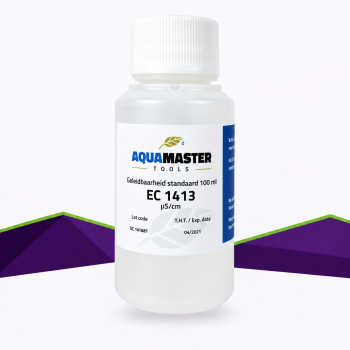
IONICS EC calibration solution 1.413 µs - 250 mL
In stock · Shipped within 24 h
5,00 €

Product successfully added to your shopping cart
Ça pousse dans le bon sens

9 products
Calibration solutions are essential for maintaining the accuracy of your pH meters and EC testers. Without regular calibration, your measurements can drift and compromise the nutritional balance of your plants. These reference solutions allow you to check and correct the readings of your measuring devices.
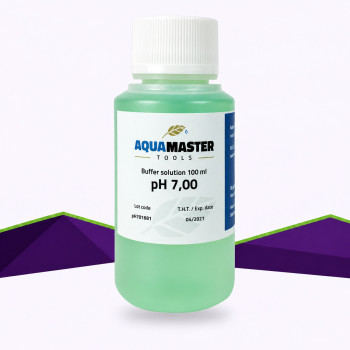
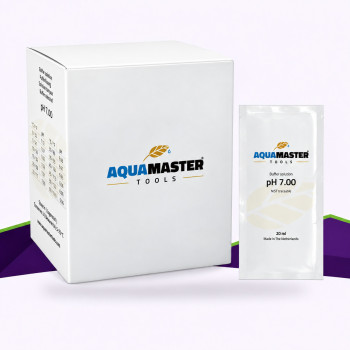
A poorly calibrated pH meter might display 6.5 when your solution is actually at 5.8. This 0.7 point difference can block the assimilation of certain nutrients and lead to deficiencies. This is exactly why BUFFER pH7 - Calibration Solution - 300ml IONIC exists: it provides a reliable reference at pH 7.00 to recalibrate your device.
The same applies to electrical conductivity. A drifting EC tester can make you believe your nutrient solution is at 1.2 mS/cm when it's actually at 1.5 mS/cm. The result: you add more fertilizer and burn your roots. The IONICS EC 1.413 µs Calibration Solution - 300 mL allows you to verify that your tester correctly displays 1.413 µS/cm (or 1.413 mS/cm) when immersed in it.
Professional calibration solutions have a chemical stability designed to withstand temperature variations and maintain their reference value for months. Unlike approximate homemade solutions, they guarantee consistent accuracy.
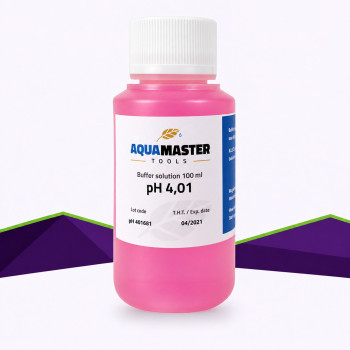
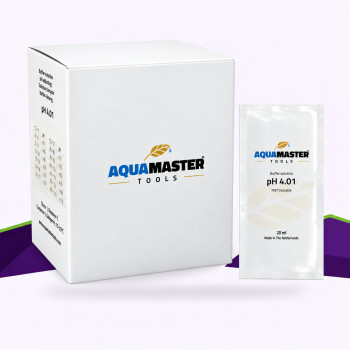
For pH, you generally need two calibration points: pH 4.00 and pH 7.00. pH 7 serves as a neutral reference point, while pH 4 covers the acidic range where most nutrient solutions operate. If you primarily grow hydroponically with pH values between 5.5 and 6.5, these two solutions are more than sufficient.
For EC, choose a solution close to your usual working values. A 1.413 mS/cm solution covers the range of standard nutrient solutions well (between 0.8 and 2.0 mS/cm). Some growers also prefer to have a 2.76 mS/cm solution for more concentrated flowering phases.
Volume also matters. A 300 mL bottle allows for approximately 60 calibrations if you use 5 mL each time. For intensive use or multiple devices, plan for a larger quantity. Solutions generally last 2 years unopened, 6 months after opening.
The pH 7 solution serves as a neutral reference point and allows for basic calibration of your pH meter. The pH 4 solution covers the acidic range where your nutrient solutions operate (generally between 5.5 and 6.5). For precise calibration, you ideally need both: you first calibrate to pH 7, then adjust the measurement slope with pH 4. If you had to choose only one, take pH 7 as it is the universal reference point.
For daily use, calibrate your pH meter once a week and your EC tester every two weeks. If you use your devices occasionally, calibration before each important measurement session is sufficient. pH electrodes drift faster than EC probes, especially if they dry out or are exposed to very concentrated solutions. A good indicator: if your device takes more than 30 seconds to stabilize or displays erratic values, it needs to be recalibrated.
Store your solutions at room temperature, away from direct light and temperature variations. Never dip your electrode directly into the bottle: pour the necessary amount into a small, clean container. After use, discard this portion without returning it to the original bottle to avoid contamination. Seal tightly after each use and note the opening date on the label. A solution that changes color or shows deposits should be replaced.
No, these are completely different solutions. pH calibration solutions are buffers that maintain a stable pH (4.00 or 7.00) while EC calibration solutions contain dissolved salts to create precise electrical conductivity (e.g., 1.413 mS/cm). Each type of device requires its own reference solution. Mixing the two or using the wrong solution would completely skew your calibrations and could damage your electrodes.
Several warning signs: color change, appearance of deposits or suspended particles, abnormal odor, or crystallization around the cap. In terms of measurements, if your freshly calibrated device gives inconsistent results on known reference solutions, it means your calibration solution has drifted. The 6-month rule after opening is a good guideline, but a poorly stored solution can degrade faster. When in doubt, replace it: the cost of a new solution is negligible compared to the damage caused by poor calibration.
Available in 4 models
Available in 4 models
Available in 4 models
Available in 4 models
Available in 2 models
Help & advice
About Calibration Solutions — click a question to see the answer.
As a horticulturist, I can tell you that calibration solutions are absolutely essential for ensuring the accuracy of your pH and EC measurements. They act as known reference points, allowing your device to correctly measure the acidity/alkalinity of your nutrient solution (pH) and the nutrient concentration (EC). Without them, your measurements could be inaccurate, which would directly impact the health and growth of your plants.
To calibrate a pH meter, I advise you to follow a simple but rigorous procedure. Generally, you will need two or three calibration solutions (e.g., pH 4.01 and pH 7.01). First, immerse the probe in the first solution, wait for stabilization, then calibrate according to your device's instructions. Rinse the probe thoroughly, then repeat the operation with the second solution. This is what I call a two-point calibration, which offers excellent accuracy.
For indoor growing, the choice of calibration solutions is crucial. For pH, I recommend using solutions that bracket the ideal pH range for your plants, often around pH 4.01, pH 7.01, and sometimes pH 10.01. For EC, choose a solution whose value is close to your target EC, such as 1.413 mS/cm (or 1413 µS/cm). Make sure the solutions are fresh and from a reliable brand for optimal accuracy.
The difference is fundamental: pH calibration solutions are designed to check and adjust the reading of the acidity or alkalinity of your water, expressed in pH units. EC calibration solutions, on the other hand, are used to calibrate the measurement of electrical conductivity, which indicates the total concentration of dissolved mineral salts (nutrients) in your solution. These are two distinct and equally important parameters for your plants' nutrition.
In practice, the frequency of calibration depends on how you use your devices. For regular use in indoor growing, I recommend calibrating your pH meter at least once a week, or even before each use if precision is critical. For the EC meter, once every two weeks is often sufficient, but if you notice inconsistent readings, don't hesitate to calibrate more often. This is the best way to ensure reliable measurements.
Several common errors can compromise your calibration. The first is not to rinse the probe between each solution, which can contaminate the buffers. Another is using expired or contaminated calibration solutions; they lose their accuracy over time. Finally, not waiting for the reading to fully stabilize before validating the calibration is a common mistake. I also recommend always shaking the solution well before use and checking the temperature.
Several signs can indicate that your pH meter needs calibration. If readings are inconsistent or vary significantly from day to day for no apparent reason, that's a good indicator. Similarly, if you have stored the device for some time or if you have changed the storage solution, calibration is necessary. When in doubt, I always prefer to calibrate to be sure of my measurements.
Cannot find your answer? 01 88 33 45 52 or by message.