


































































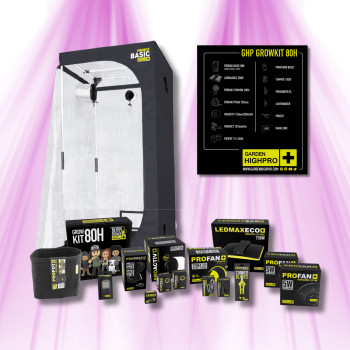


PACK-pureled q240_HomeBox Q80+
Available in 3 models
Ships within 2 weeks
469,21 € 493,90 € or 3× 156,40 €

Product successfully added to your shopping cart
Ça pousse dans le bon sens

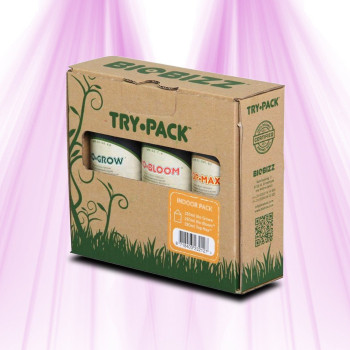
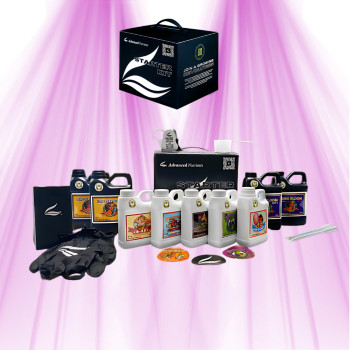
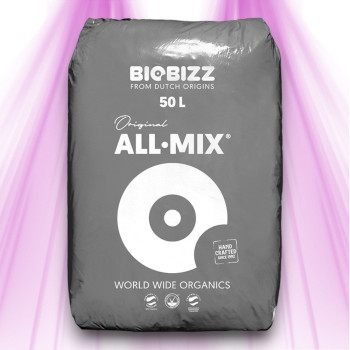
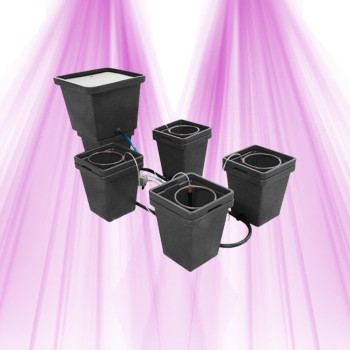
4 products
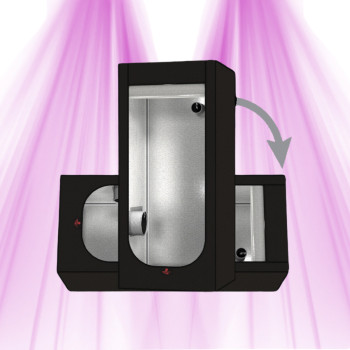
An LED horticultural lighting + 80cm x 80cm grow tent kit is exactly what you need to get started properly on 0.6m². These all-in-one kits combine a perfectly sized grow tent with an LED lighting system adapted to this surface area. No more complicated calculations and separate purchases – everything is designed to work together right out of the box.
This 80x80cm configuration represents the sweet spot for many indoor growers. Compact enough to fit into an apartment, yet spacious enough to achieve significant harvests. The standard height of these tents (generally 160cm) allows full exploitation of the potential of modern LEDs.
The main advantage is guaranteed compatibility. The LEDs are selected to perfectly cover the 0.6m² growing area, with homogeneous light intensity across the entire canopy. We are generally talking about panels between 200W and 400W depending on the technology, delivering between 800 and 1200 µmol/s of photonic flux.
80x80cm tents often include adjustable hanging bars, perfect for adjusting the height of the LEDs according to the growth phases. The 16mm minimum steel tube structure ensures sufficient stability to support LED panels weighing 8 to 15kg without issue.
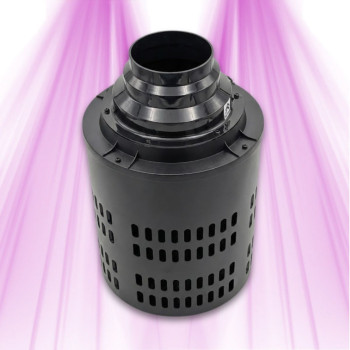
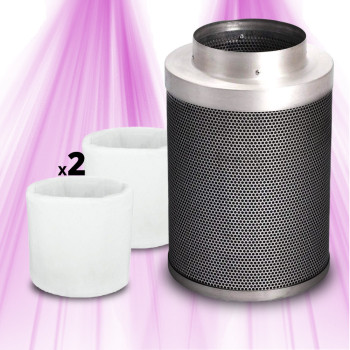
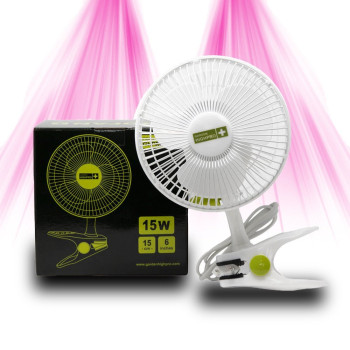
Regarding ventilation, these kits generally include pre-cut openings for 100mm or 125mm extractors. Thermal management is crucial with LEDs – even if they generate less heat than HPS, good air circulation remains essential to maintain the ideal 24-26°C.
First criterion: the actual LED power. For 0.6m², count on a minimum of 30W/m² for quality LEDs, which is at least 180W. The best configurations go up to 50-60W/m² to maximize yields. Always check the actual consumption, not the often inflated "HPS equivalent" power.
The quality of the reflective fabric matters greatly. Premium tents use 210D Mylar with a 95% reflective silver coating. Entry-level models often settle for 85-90%, which represents a significant light loss over a complete grow cycle.
Also pay attention to the LED spectrum. Full spectrum 3000K-3500K + 660nm deep red chips give the best results in flowering. Some manufacturers offer adjustable spectra, which is practical but not essential if you primarily grow classic photoperiod varieties.
Tent height directly influences LED efficiency. With a height of 160cm, you maintain 40-50cm between the top of the plants and the panels, an ideal distance for most modern LEDs. 180cm tents offer more leeway but are more expensive.
For 0.6m², the ideal power is between 240W and 360W for quality LEDs. This corresponds to 40-60W per m², the optimal ratio for maximizing yields without wasting energy. Beginners can start with 240W (i.e., 40W/m²) and observe the results. Experienced growers often push towards 300-360W to fully exploit the genetic potential of their varieties. Be wary of low-end LEDs that claim 600W but only consume 150W actual – always check the effective consumption on the technical sheet.
The optimal distance varies depending on the LED power and technology. For 240-300W panels, maintain 40-50cm during vegetative growth and 30-40cm during flowering. More powerful LEDs (360W+) require a minimum of 50-60cm to avoid light burn. Use a lux meter or a smartphone app to measure: aim for 25,000-35,000 lux during vegetative growth and 45,000-65,000 lux during flowering. If the top leaves yellow or curl, the LEDs are too close. The advantage of standard 80x80cm tents (160cm high) is that they offer enough margin for easy adjustment.
Absolutely, 80x80cm LED + grow tent kits are designed to handle the full cycle. Modern full spectrum LEDs perfectly cover the needs for vegetative growth (blue spectrum 400-500nm) and flowering (red 600-700nm). On 0.6m², you can grow 4 plants in 11L pots or 6-9 smaller plants depending on your technique. The key is vertical space management: prune and train to maintain a homogeneous canopy 30-40cm from the LEDs. With good genetics and a controlled environment, expect 200-400g of harvest depending on your experience.
Installation is designed to be accessible. The tent usually assembles in 30-45 minutes with the provided plastic connectors – no screwing necessary. Start by assembling the metal structure, then stretch the fabric, fixing the corners first. For the LEDs, use the provided adjustable straps and hang them from the crossbars. Most panels weigh 5-12kg, easily supported by the structure. Plug the LED power supply outside the tent to limit internal heat. Just plan for a screwdriver to potentially fix the air extractor to the pre-cut openings.
Minimal maintenance is sufficient but important. Clean the LED panels every 2-3 months with a slightly damp microfiber cloth, with the LEDs off and cooled. Dust reduces light efficiency by 10-15% in a few months. For the tent, regularly vacuum the corners and crevices where dust and residues accumulate. The inner fabric can be cleaned with a damp sponge and mild soap if necessary. Avoid harsh chemicals that could alter the reflective coating. Good maintenance extends the life of the equipment and maintains optimal performance.
Available in 3 models
Available in 2 models
Help & advice
About 80cm x 80cm - 0.6m² — click a question to see the answer.
Installing a kit is quite simple, which is one of its big advantages! I always start by assembling the grow tent according to the manufacturer's instructions. Then, I attach the LED lamp inside, usually to the tent's ceiling, using the provided hangers. I connect the lighting to a timer to manage day/night cycles and ensure that ventilation is in place for good air exchange. It's truly a turnkey solution.
The ideal distance for your LED lamp depends heavily on its power and the development stage of your plants. Generally, for seedlings or young sprouts, I start by placing the LED at about 40-60 cm. For vegetative growth, I reduce it to 30-45 cm, and during flowering, I can lower it to 20-35 cm, or even less for newer, less powerful LEDs, while carefully monitoring for signs of heat stress or burning. The important thing is to observe your plants: if the leaves yellow or curl, the light is too intense or too close.
For a 0.6m² surface, the difference between LED and HPS is significant. LEDs are much more energy-efficient, producing less heat for the same light intensity, which is a major asset in a small 80x80 cm grow tent where temperature management is crucial. They also offer a more complete and adjustable light spectrum, promoting better growth and flowering. HPS, while powerful, consume more, generate more heat, and have a less optimized spectrum. If I had to choose for this surface, I would undoubtedly lean towards LED.
The most common mistake I see is placing the LED too close to the plants, especially with powerful models, which can cause burns or bleaching of the leaves. Another mistake is neglecting ventilation, because even if LEDs generate less heat than HPS, good air exchange is vital. I also advise not to underestimate the importance of a good timer for regular light cycles and always checking the light spectrum to ensure it is adapted to the different growth stages of your plants.
An 80x80 cm grow tent with LED is used to create a perfectly controlled environment for your plants, on a compact surface of about 0.6m². It allows you to isolate your crops from pests and external climate variations, precisely manage light, temperature, humidity, and CO2. It's the ideal solution for beginner growers or those with limited space, ensuring optimal conditions for healthy growth and quality yields, while remaining discreet.
For a 0.6m² grow tent, I prefer a full spectrum light. This means the LED emits light that covers all wavelengths necessary for photosynthesis, from blue (for vegetative growth) to red (for flowering), including green and far-red. Some models even offer the possibility to adjust the spectrum to optimize each phase of the plant's life. This is what guarantees the most harmonious development and the best results for your crops.
Cannot find your answer? 01 88 33 45 52 or by message.


