




































Light soil
10 products
Product successfully added to your shopping cart
Ça pousse dans le bon sens
10 products
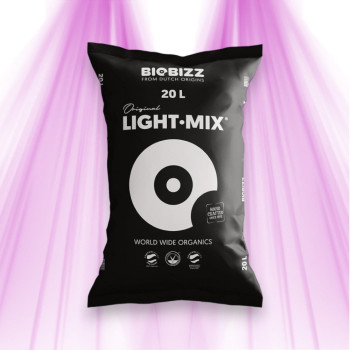
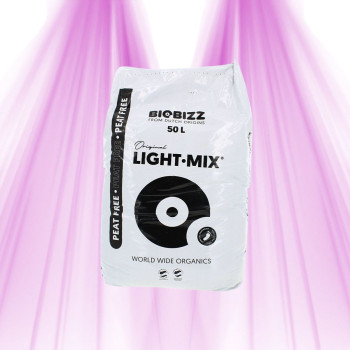
Find light soils (Light) in this category for your indoor cultivation.
Help & advice
About Light soil — click a question to see the answer.
To choose a light soil mix suitable for your indoor cultivation, I advise you to look at the composition. I always favor airy mixes, often enriched with perlite or coco, which promote good root development. It's also important to check the initial nutrient level: a light soil mix should contain few nutrients to give you control over fertilizer application.
The main difference, as its name suggests, lies in the nutrient content. A light soil mix is formulated to be very lightly fertilized, or not at all, unlike a 'normal' or 'universal' soil mix which already contains a good dose of fertilizer. This allows the grower to fully control the nutrient intake from the beginning of the plant's growth, which I find essential in indoor cultivation.
In indoor cultivation, light soil mix is a real asset for the starting phase of your plants. Its low nutrient content prevents over-fertilization of young shoots, which are very sensitive. It also offers excellent aeration and good drainage, ideal conditions for healthy and vigorous root development. It's the perfect base for a good start.
I recommend using a light soil mix primarily for seedlings, cuttings, and young plants. It's the ideal environment for them to root without the risk of burning due to excess fertilizer. In practice, I also use it for plants that need precise control over their feeding, or for those I want to repot regularly by gradually increasing nutrients.
To know if a light soil mix is suitable for your plants, observe their reaction. If they show signs of deficiency quickly after germination or repotting, it means the soil mix is doing its job by being low in nutrients. It's then time to start your fertilization program. Good drainage and good water retention are also key indicators of a quality light soil mix.
The density or lightness of a light soil mix is crucial. I always favor mixes that offer excellent aeration and good drainage, often through the incorporation of perlite, coco fiber, or peat. Adequate lightness ensures good gas exchange at the roots, which is vital for their health and growth. If I had to choose, I'd say a soil mix that feels 'fluffy' and doesn't compact easily is a good sign.
Installing a light soil mix is quite simple. I always start by lightly aerating the bag before opening it to decompact the substrate. Then, I fill my pots or trays without compacting too much, to preserve the airy structure of the soil mix. A light initial watering to uniformly moisten the substrate is recommended before planting. This helps avoid dry spots and properly settle young plants.
The major difference between a light soil mix and a heavy substrate lies in their composition and density. A light soil mix is airy, light, with few nutrients, promoting drainage and root respiration. A heavy substrate, often more clayey or compact, retains more water and nutrients, but can suffocate roots if not managed well. For indoor horticulture, I prefer the light mix for its flexibility and control over plant feeding.
Cannot find your answer? 01 88 33 45 52 or by message.