Herb Grinders: Grind Your Aromatics with Precision
Herb grinders are essential tools for any grower who wants to fully utilize their aromatic harvests. Whether it's for basil, mint, thyme, or other fresh herbs, these grinders provide a consistent grind that releases all the aromas and essential oils from your plants. In indoor cultivation, where every gram of harvest counts, having a good grinder truly makes a difference in maximizing your efforts.
Why choose a quality herb grinder
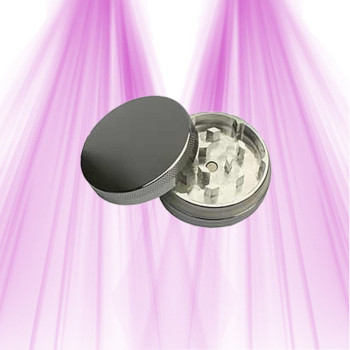
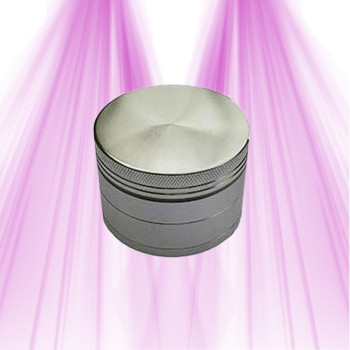
A high-performance grinder preserves the trichomes and essential oils of your aromatics, unlike artisanal grinding methods that can damage them. Aluminum models like the ALU Herb Grinder 50mm - 4 Parts offer a clean cut thanks to their precisely machined teeth. The 4-part design effectively separates different textures: ground herbs remain in the upper compartment, while finer particles fall into the lower collector.
Anodized aluminum perfectly resists corrosion and essential oils, unlike plastic which can absorb odors. Diameters from 40 to 50mm are perfect for processing medium quantities without excessive effort. The ALU Grinder 40mm - 4 Parts is particularly suitable for growers who prefer more frequent grinding sessions with smaller quantities.
How to choose your herb grinder
The diameter determines the grinding capacity: 40mm for regular personal use, 50mm for larger quantities or shared use. The number of parts influences the fineness of the result: 4-part models include a screen that separates fine powder from larger pieces, ideal for obtaining different textures depending on the intended use.
The material matters greatly: anodized aluminum remains the best compromise between durability, ease of maintenance, and aroma preservation. The teeth should be diamond-cut or machined to ensure a clean cut without overheating. Avoid models with molded teeth that dull quickly and can heat the herbs during grinding.
Frequently Asked Questions
Which herb grinder should I choose to finely grind fresh basil or mint?
For fresh herbs like basil or mint, opt for a 4-part aluminum grinder with sharp teeth. The screen in the middle compartment allows for a fine and homogeneous grind. Make sure your herbs are slightly dried (24-48 hours in the open air) to prevent them from sticking to the sides. A 50mm diameter offers more working space and reduces the risk of clogging with slightly damp herbs.
How to use an herb grinder to grind leaves without heating them?
The key is to work in small quantities and avoid overly fast or prolonged rotations. Fill the upper compartment to a maximum of one-third, make 8-10 turns in one direction then the other, then let it rest for 30 seconds. This method prevents friction heating which degrades terpenes and essential oils. If you feel resistance, the herbs are starting to stick: stop and gently tap the sides.
Which is the best grinder between a stainless steel and a ceramic model for aromatic herbs?
Anodized aluminum remains superior to both mentioned options for aromatic herbs. Stainless steel is heavier and can heat up more, while ceramic, although taste-neutral, is fragile and the teeth can chip. Aluminum combines lightness, corrosion resistance, and excellent heat dissipation. Furthermore, the precision machining possible with aluminum allows for finer and more durable teeth.
How to easily assemble and disassemble an herb grinder for indoor cultivation?
Modern grinders disassemble completely without tools: unscrew the top compartment, remove the middle screen, then separate the bottom collector. This modular design facilitates cleaning after each session. For reassembly, ensure the screen is properly positioned and the threads engage without forcing. A well-maintained grinder can be disassembled and reassembled in less than 30 seconds, which is convenient when you want to switch aromatic varieties.
How to maintain and clean my herb grinder to avoid essential oil residues?
Clean your grinder after each use with a dry toothbrush to dislodge residues from the teeth and screen. For a deep clean, fully disassemble and wipe each component with 99% isopropyl alcohol, then dry immediately. Avoid water, which can cause oxidation in crevices. Once a month, you can freeze the assembled grinder for 2 hours: the cold hardens sticky residues, making them easier to brush off.