



































































GreenVisuaLED
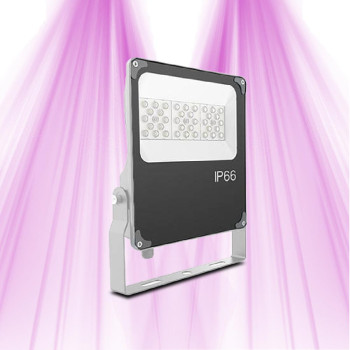
LED horticultural lamp - GVL SPOT 10W SLIM V4 - Lighting for green plants and…
Available in 2 models
In stock · Shipped within 24 h
45,20 €

Product successfully added to your shopping cart
Ça pousse dans le bon sens

13 products
Available in 2 models
Available in 3 models
Available in 2 models
Available in 2 models
Available in 2 models
Available in 2 models
Available in 2 models
Available in 2 models
Available in 2 models
Help & advice
About Other Uses — click a question to see the answer.
For a 60x60cm space and specialized crops like aromatic herbs or cherry tomatoes, I recommend prioritizing an LED light that offers an adjustable or optimized light spectrum. You should also look at the actual power consumption, not the equivalent power, as this determines the light intensity. Consider light distribution: good homogeneity is crucial for a small surface. I explain in more detail how to make the right choice in this comprehensive guide.
Generally, for a 60x60cm surface (0.36m²), I recommend an actual LED power consumption of about 100 to 150 Watts for most specialized crops, especially if they are light-demanding. For less demanding aromatic herbs or leafy greens, you can sometimes go a bit lower, but you should always aim for good light intensity for optimal development. What I often see is that growers underestimate the necessary power, which limits the potential of their plants.
The main difference is that full-spectrum LEDs emit light that covers a wide range of wavelengths, mimicking natural sunlight. This is what I recommend for most crops, as it supports all growth stages, from germination to flowering. Other types of LEDs can be optimized for specific phases (e.g., more blue for vegetative growth, more red for flowering), but a full spectrum offers a versatility and robustness that I particularly appreciate for specialized crops on 60x60cm.
LED lighting is essential for specialized crops because it replaces sunlight, which is indispensable for photosynthesis. For aromatic herbs, good LED lighting ensures compact growth and high essential oil production, guaranteeing flavor. For cherry tomatoes, it is crucial for flowering, fruit set, and fruit development, ensuring an abundant and flavorful harvest. In practice, it allows precise control of the light environment to optimize yield and quality.
To know if your LED lighting is suitable, I advise you to observe your plants carefully. Signs such as pale leaves, slow growth, or excessive elongation (thin and long stem) can indicate a lack of light. Conversely, burnt leaves or yellowing can signal an excess. Ideally, use a lux meter or a PAR meter to measure the actual light intensity at canopy height. This is the most precise way to ensure your plants receive the right amount of light for their development stage.
For aromatic herbs, I favor a blue-rich spectrum during the vegetative phase for compact growth and optimal aroma development. For cherry tomatoes, a more balanced spectrum with a good red component is crucial for flowering and fruiting. In general, a good full-spectrum LED with a slight enhancement of red and blue is an excellent option for these two types of crops on 60x60cm, as it covers all their needs throughout their cycle.
Cannot find your answer? 01 88 33 45 52 or by message.