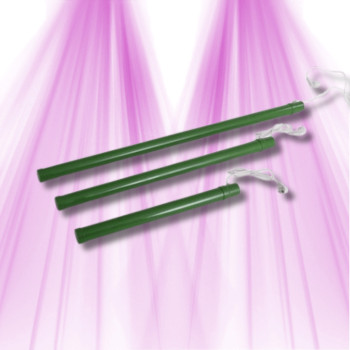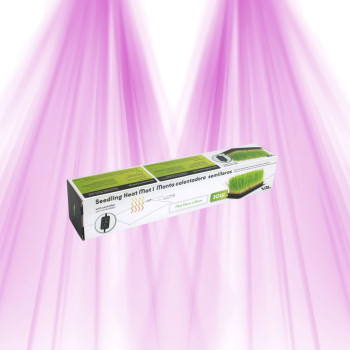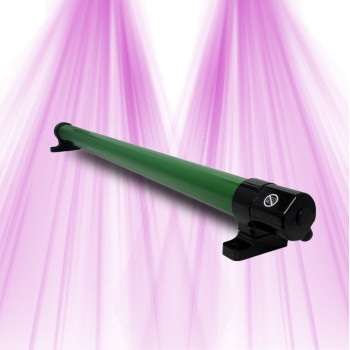





































































Heating mat for seedlings and cuttings - 15W 35x20cm - 30W 55x35cm
In stock · Shipped within 24 h
16,90 €

Product successfully added to your shopping cart
Ça pousse dans le bon sens

12 products
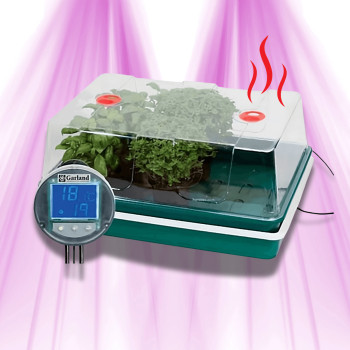
Heaters for seedlings and cuttings are essential equipment for creating optimal thermal conditions during germination and rooting. Whether with heating mats or heating cables, maintaining a constant temperature between 20 and 25°C at root level significantly boosts the success rate of your young plants. This is particularly crucial in winter or unheated spaces where substrate temperature can drop drastically.
Substrate temperature plays a decisive role in the speed and rate of germination. With soil at 15°C, some seeds can take 3 weeks to germinate, whereas at 22°C, they emerge in 5-7 days. Heating mats create this gentle, homogeneous heat zone that stimulates the enzymatic activity of seeds. For cuttings, it's even more critical: roots develop 2 to 3 times faster with basal heating than at ambient temperature.
The advantage of specialized heating systems is their precise regulation. Unlike ambient heating, which dries out the air, they directly heat the substrate without disturbing humidity. Models with integrated thermostats automatically maintain the target temperature, preventing overheating that can literally cook your seedlings. Frankly, once you've tried it, there's no going back.
The size of your setup determines the type of heating to prioritize. For mini-greenhouses of 40x60 cm, a 17-watt heating mat is more than sufficient. Larger installations require either multiple mats or a heating cable snaking under the trays. Power is generally calculated at 10-15 watts per square meter of growing surface.
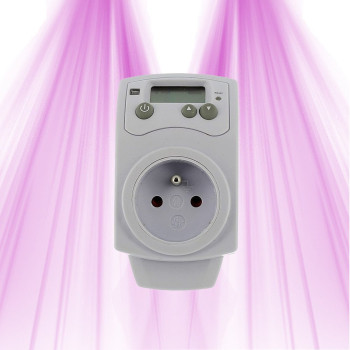
The thermostat is a key element often overlooked. Basic models have approximate regulation (±3°C), while digital thermostats offer a precision of ±0.5°C. For delicate seedlings like peppers or eggplants, this precision makes all the difference. Also check the probe length: it must be able to reach the center of your growing area.
Waterproofing is crucial in a humid environment. Look for a minimum IP65 standard, especially if you use automatic watering systems or misters. Mats with PVC coating resist water splashes better than those made of simple plastic. For safety, choose models with overheating protection and CE certification.
The basic rule is to cover 80% of your mini-greenhouse surface for even heat distribution. For a standard 38x24 cm mini-greenhouse, a 35x20 cm mat is perfect. If your greenhouse is 52x42 cm, opt for a 50x40 cm model. Avoid taking exactly the same size as your greenhouse: leave a 2-3 cm margin on the sides to prevent thermal bridges with the walls. A mat that is too small will create cold spots, while an overflowing mat will waste energy and risk overheating.
Yes, continuous heating is essential during the germination phase. Seeds need a stable temperature 24/7 to maintain their active metabolism. A nocturnal temperature drop can slow down or completely stop the germination process. However, once the seedlings have emerged and the first true leaves have appeared, you can reduce the temperature by 2-3°C at night to promote more robust development. A programmable thermostat allows you to automate these variations without manual intervention.
For tomatoes and peppers, the heating mat is generally more suitable because it provides uniform heat over the entire surface. These solanaceous plants ideally germinate between 22 and 25°C, a temperature easily maintained by a good mat with a thermostat. The heating cable is better suited for custom installations or irregular shapes, but requires more precision in installation to avoid hot spots. For beginners, a 20-25 watt mat with a digital thermostat will be simpler to use and yield more predictable results. Heating cables are generally reserved for experienced growers who are already familiar with germination parameters.
Installation should be on a flat surface insulated from the cold ground. First, place an insulation board (polystyrene or cork, minimum 2 cm thick) then place the heating mat on top. Absolutely avoid direct contact with concrete, which would reduce efficiency by 40%. Then place your growing trays, avoiding piercing or bending the mat. The temperature probe should be placed in the substrate, not under the mat, to measure the actual root temperature. Ensure the power cable does not pass under heavy objects and always keep easy access to the outlet for quick disconnection in case of a problem.
Cleaning should be done with the mat unplugged and completely cooled. Use a damp cloth with a mild detergent, never abrasive products that could damage the coating. Dry immediately with a dry cloth to prevent moisture infiltration into the connections. Between uses, store the mat in a dry, airy place, ideally suspended to avoid permanent creases. Regularly inspect the cable and connections: any sign of corrosion or degradation requires immediate replacement. Preventive maintenance every 6 months with thorough cleaning and electrical verification ensures an optimal lifespan for your equipment.

Help & advice
About Heating Sowing / Cutting / Germination — click a question to see the answer.
A heating mat is an essential tool for creating an optimal thermal environment for germinating your seeds and rooting your cuttings. It provides constant and uniform heat directly at the root level, which is crucial because that's where most of the initial development work happens. In practice, I find that it accelerates the process and significantly increases the success rate, especially for species that require specific temperatures.
Installation is quite simple. I advise placing the heating mat on a flat, insulating surface, such as a wooden board or polystyrene, to prevent heat loss from below. Then, you place your seedling trays or cuttings directly on the mat. For precise control, I highly recommend using an external thermostat, with its probe placed in the substrate of one of your pots. This allows you to maintain the ideal temperature without overheating.
From my experience, the ideal temperature range for most seedlings and cuttings is between 20 and 25°C at the substrate level. Some tropical species may appreciate a few degrees more, but generally, this is the range that ensures the best germination rate and good root development. I encourage you to consult the specific requirements of your seeds, as that is always the best guide. A good thermostat will help you maintain this consistency.
If you are looking to maximize your chances of success and accelerate the growth of your young plants, yes, I would say that a heating mat is a very relevant investment. It is particularly necessary if you are sowing or rooting out of season, such as in winter, when the ambient temperature is too low. Without it, germination can be slow, irregular, or even fail completely. It's like giving your plants a vital boost from the start.
The main difference lies in their shape and use. A heating mat is a flat, rigid surface, ideal for placing seedling trays or several small pots, offering uniform heat over a defined area. A heating cable, on the other hand, is more flexible and can be coiled or buried directly in the substrate of a planter or greenhouse. I often use it for more customized setups or to heat specific areas. The choice will depend on the size and configuration of your growing space.
In winter, the heating power is paramount. I recommend choosing a heating mat or cable that can compensate for the temperature difference with the ambient air. Also consider the size: it must match the surface area of your seedlings. A thermostat is essential to avoid thermal shock and maintain a stable temperature. I explain in more detail how to get your crops off to a good start in this article on the perfect kit to successfully grow your seedlings indoors.
The required wattage will depend on the size of your mat, the ambient temperature of your room, and the desired temperature for your seedlings. Generally, for a standard size mat (approximately 25x50 cm), a power of 15 to 25 watts is sufficient to maintain the ideal temperature in typical indoor conditions. If your room is very cold, you might need a bit more power or better insulation under the mat. The important thing is not to oversize to avoid excessive consumption.
The most common mistake I see is not using a thermostat. Without it, you risk overheating or underheating, which can be fatal for your young plants. Another mistake is placing the mat directly on a cold surface without insulation, which leads to a loss of efficiency. Finally, make sure the mat is flat and that water does not stagnate on it, for electrical safety and equipment durability reasons. Also, consider humidity, as heat can dry out the substrate faster.
Heating mats and LED lighting are perfect allies for indoor cultivation. The mat takes care of the heat at the root level, while LED lighting provides the necessary light for photosynthesis and aerial growth. I recommend placing your seedlings under the LEDs, respecting the recommended distances to avoid light stress. The heating mat, meanwhile, will be under your trays. LED lighting, especially if it is of good quality, generates very little heat, which makes the heating mat all the more useful for maintaining a stable soil temperature. You can learn more about growing under LED in this article.
Cannot find your answer? 01 88 33 45 52 or by message.