


































































Terra Aquatica
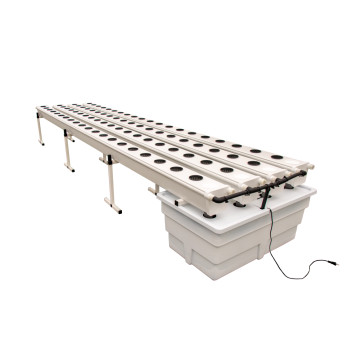
CultiMate® - Indoor Hydroponic System
In stock · Shipped within 24 h
138,90 € or 3× 46,30 €

Product successfully added to your shopping cart
Ça pousse dans le bon sens

11 products
Hydroponic and aeroponic systems are revolutionizing indoor cultivation by allowing you to grow your plants directly in a nutrient solution, without soil. This method offers total control over root nutrition and significantly accelerates growth. Whether you opt for classic hydroponics or more advanced aeroponics, these technologies maximize yields while saving space and water.
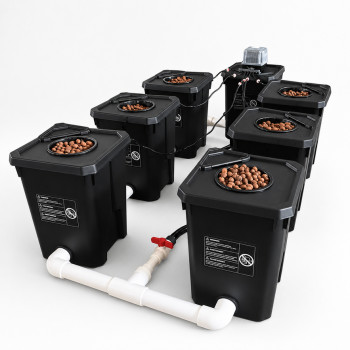
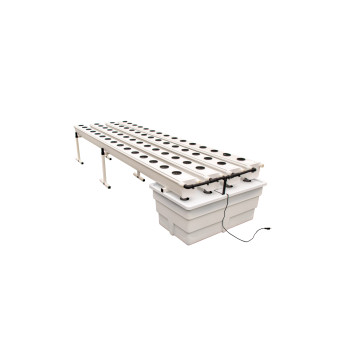
Hydroponic cultivation allows for 30 to 50% faster growth than traditional soil methods. Roots directly access dissolved nutrients, without having to search for them in the substrate. The GHE EcoGrower - Hydroponic system for 6 plants - 220V perfectly illustrates this approach with its drip system that maintains a constant nutrient supply. Aeroponics goes even further: roots are suspended in the air and fed by misting, as with the Rainforest 3 Aeroponic System - 220 Volts HW which can accommodate up to 18 plants. This method offers maximum root oxygenation and exceptional yields.
These systems also eliminate soil pest problems and allow precise control of pH and EC. No more approximate watering: everything is automated and optimized. Water savings are also remarkable, with up to 90% less consumption compared to traditional cultivation.
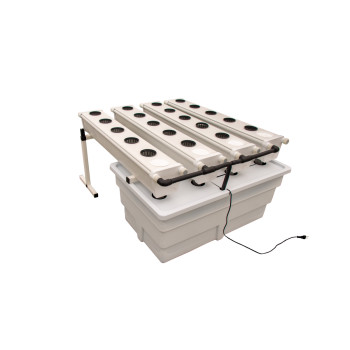
The choice depends primarily on your space and your level of experience. For beginners, integrated reservoir systems like the EcoGrower are perfect: everything is included and ready to use. If you have more space, the Ebb & Grow GHE ebb and flow system - 95 x 95 x 38 cm offers a different approach with its ebb and flow system that periodically floods the roots.
Consider the number of plants you want to grow: 6 plants for the EcoGrower, 18 for the Rainforest, or a modular surface with the Ebb & Grow. Power consumption also varies: expect 50 to 100W for the pump depending on the system. Aeroponics requires more technical monitoring but offers the best results, while classic hydroponics is more forgiving of beginner mistakes.
To start, favor an integrated reservoir hydroponic system over an aeroponic one. DWC (Deep Water Culture) or drip systems are more tolerant of pH and EC errors. Start with a maximum of 4 to 6 plants to master the basics: nutrient management, pH monitoring between 5.5 and 6.5, and solution temperature control (18-22°C). Aeroponics requires more technical precision and constant monitoring of misting nozzles.
Sealing is crucial in aeroponics. Use Teflon tape on all threaded connections and tighten firmly without over-tightening. Check that all O-rings are in place and in good condition. Test the system with clear water for 24 hours before adding plants. Position the pump below the reservoir level to prevent depriming. Regularly check the pressure: it should remain constant around 1.5 to 2 bars for effective misting.
In DWC (deep water culture), roots are constantly immersed in an oxygenated nutrient solution via an air stone. It's simple and stable, but growth is slower. Aeroponics suspends roots in the air and feeds them with high-pressure misting (5-50 microns). This method offers 100% root oxygenation and 2 to 3 times faster growth. However, aeroponics requires constant monitoring: a misting failure can kill plants in a few hours, while a DWC tolerates several hours without oxygenation.
Check the pH daily, ideally morning and evening, as it fluctuates with nutrient absorption. Maintain it between 5.5 and 6.2 for optimal absorption. Clean the misting nozzles weekly with a 3% hydrogen peroxide solution to prevent clogging. Disassemble them completely once a month for thorough cleaning. Change the nutrient solution every 2 weeks and rinse the system with clear water between each cycle. A filter upstream of the pump extends the life of the nozzles.
In DWC hydroponics, you have a few hours before the roots suffer from lack of oxygenation. Immediately replace the air pump or use a backup air stone. In aeroponics, it's critical: roots can die in 30 minutes without misting. Always have a spare pump and an emergency manual watering system. Temporarily switch to drip irrigation with a simple perforated hose. Monitor the temperature: bare roots heat up quickly under the lights. Some growers install a double pump with automatic switching to avoid this risk.
Available in 5 models
Available in 5 models
Available in 5 models
Available in 5 models
Available in 5 models
Help & advice
About Hydroponic/aeroponic systems — click a question to see the answer.
As an expert, I would say the main difference lies in how the roots access the nutrient solution. In hydroponics, the roots are either directly submerged in the nutrient solution (as in the GHE EcoGrower system), or they are bathed in an inert substrate that is irrigated. Aeroponics takes the concept further by suspending the roots in the air and regularly misting them with a fine nutrient solution. This offers maximum oxygenation and even more efficient nutrient absorption, which often leads to faster growth and higher yields.
An aeroponic system is primarily used to maximize the growth and yields of your indoor plants. Thanks to excellent root oxygenation and direct nutrient delivery in the form of mist, plants assimilate what they need more efficiently. This allows for faster, more abundant, and often higher-quality harvests, while using less water and nutrients than traditional soil cultivation. It's ideal for those seeking performance and efficiency.
With aeroponics, there are a few pitfalls to avoid. The first mistake is to neglect water quality and not regularly check the pH and EC of your nutrient solution. Another common mistake is poor maintenance of the spray nozzles, which can clog and deprive roots of water and nutrients. Finally, I often see beginners use a nutrient solution that is too concentrated, which can burn the roots. It is crucial to start with low concentrations and gradually increase them.
Maintaining an aeroponic tower is essential for its longevity and the health of your plants. I advise regularly cleaning the reservoir and changing the nutrient solution every 1 to 2 weeks to prevent salt buildup and algae growth. It is also crucial to check and clean the spray nozzles to ensure they are not obstructed. Finally, daily monitoring of the pH and EC of the solution will allow you to adjust nutrients as your plants' needs change.
The cost of installing a hydroponic system can vary considerably. For a simple and compact system like the GHE EcoGrower, you can expect a moderate initial investment. However, if you opt for larger, more complex, or aeroponic systems, with powerful pumps, automatic controllers, and state-of-the-art LED lighting (like the HLG 550 V2 that I often recommend), the cost can be higher. You also need to budget for nutrients, substrate (if applicable), and consumables.
The beauty of hydroponics and aeroponics is that you can grow a very wide variety of plants. I often see leafy greens like lettuce, spinach, basil, as well as herbs and strawberries. Tomatoes, peppers, and cucumbers also thrive very well. In fact, most plants that do not require a very deep root system can flourish in these systems, offering impressive harvests.
Aeroponics can consume a bit more electricity than passive hydroponics, mainly due to the high-pressure pump required to create the fine mist. However, compared to soil cultivation with efficient LED lighting (like those I offer), consumption remains entirely manageable. Overall energy efficiency is often higher due to accelerated growth and optimized yields, which can offset the pump's consumption. It is important to choose a pump suitable for the size of your system.
Cannot find your answer? 01 88 33 45 52 or by message.