




































































Heaters
6 products
Heaters for indoor growing: maintain the perfect temperature all year round
Temperature control is fundamental in indoor growing. When outdoor temperatures drop, your plants need a stable environment between 20 and 26°C to continue their development. Specialized heating systems allow you to maintain these optimal conditions without creating dangerous hot spots or disturbing the humidity in your grow space.
Why invest in a heater adapted for indoor growing
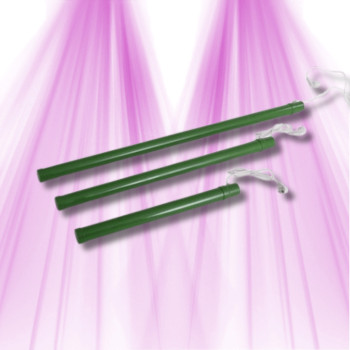
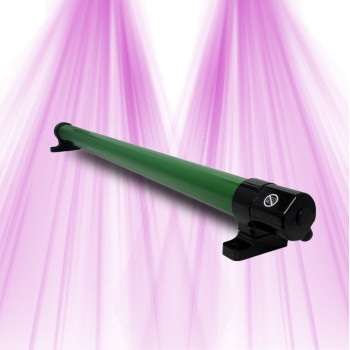
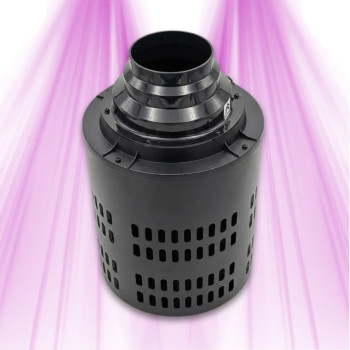
Unlike domestic radiators, indoor grow heaters are designed to operate in humid environments without risking safety. Ceramic heaters diffuse a gentle and homogeneous warmth, avoiding sudden variations that stress plants. Tube heaters are discreetly placed along the walls and heat by infrared radiation, mimicking the natural warmth of the sun.
Precise regulation becomes crucial when growing in a closed box. A deviation of 3-4°C can slow down photosynthesis or promote the appearance of mold. Modern systems integrate digital thermostats that maintain the temperature to within ±1°C, much more accurate than a classic auxiliary heater.
For roots, it's even more critical. In hydroponics, a nutrient solution below 18°C blocks nutrient absorption. Heating mats placed under the trays maintain this root zone at 20-22°C, the ideal temperature for explosive root growth.
How to choose the right heater for your setup
The power is calculated according to the volume to be heated and the insulation of your space. For a 1m² tent (approximately 2m³), count 100 to 150 watts depending on the insulation. A 2x2m grow box will require 300 to 500 watts distributed over several points to avoid overheated areas.
The type of heater depends on your configuration. Ceramic heaters are suitable for medium and large spaces, with their integrated fan that circulates the air. Tube heaters adapt to small grow boxes where every centimeter counts. For hydroponic systems, heating mats remain essential for specifically heating the root zone.
Safety first: ensure the heater has moisture protection (minimum IP44) and an automatic shut-off system in case of overheating. Models with a remote thermostat allow the probe to be placed away from the heat source for more precise regulation.
Frequently asked questions
What type of heater should I choose for a 1m² grow tent in winter?
For a 1m² tent, an 80-120 watt tube heater is usually sufficient. Place it at the bottom of the tent to create natural convection, with warm air rising towards the plants. Avoid fan heaters which dry out the air too much in such a small volume. A thermostat with a remote probe will allow you to maintain 22-24°C stably. If you are growing hydroponically, add a 20-watt heating mat under the reservoir.
How do I install a heater without risking damage to my plants?
Correct installation prevents burns and thermal stress. Always place the heater away from plants (minimum 50cm) and never directly underneath them. Use a thermostat to avoid temperature spikes that can burn leaves in a few hours. Create air circulation with a fan to homogenize the temperature throughout the space. Check daily that nothing obstructs the heater and that leaves do not get too close as they grow.
Is a root heater necessary for hydroponic growing if the temperature drops below 18°C?
Absolutely, it's even more of a priority than ambient heating. Below 18°C, nutrient absorption drops drastically and roots become vulnerable to pathogens. A 15-25 watt heating mat under the reservoir maintains the nutrient solution at 20-22°C, the optimal temperature for oxygenation and absorption. This temperature also promotes the development of beneficial bacteria that protect the roots. Invest in a temperature controller with an submersible probe for precise control.
What tubular heater wattage is needed to maintain 22°C in a small grow box?
For a 60x60cm grow box (approximately 1m³), a 60-80 watt tube is sufficient in a temperate room. If the room drops below 15°C, increase to 100-120 watts. The key is to distribute the heat: place the tube at the bottom of the grow box, away from the plants, and add a small fan to circulate the air. A thermostat with 1°C hysteresis will prevent overly frequent on/off cycles. Measure the temperature at plant height, not near the heater, for precise adjustment.
How to maintain a ceramic heater for indoor use without humidity problems?
Regular maintenance prevents breakdowns and extends lifespan. Clean the ventilation grilles weekly with a dry brush to prevent dust accumulation, which reduces efficiency. Monthly, check that moisture does not accumulate in the casing, a sign of faulty sealing. Place the heater on a stable support, never directly on the floor where humidity is highest. For prolonged shutdown, store it in a dry place after thorough cleaning. Replace filters, if any, every 3-6 months depending on usage.