



































































Achat vérifié
Montage rapide et utilisation intuitive. Belle lumière, pas de bruit, je recommande pour ceux qui veulent du sérieux sans prise de tête.

Product successfully added to your shopping cart
Ça pousse dans le bon sens

 Enlarge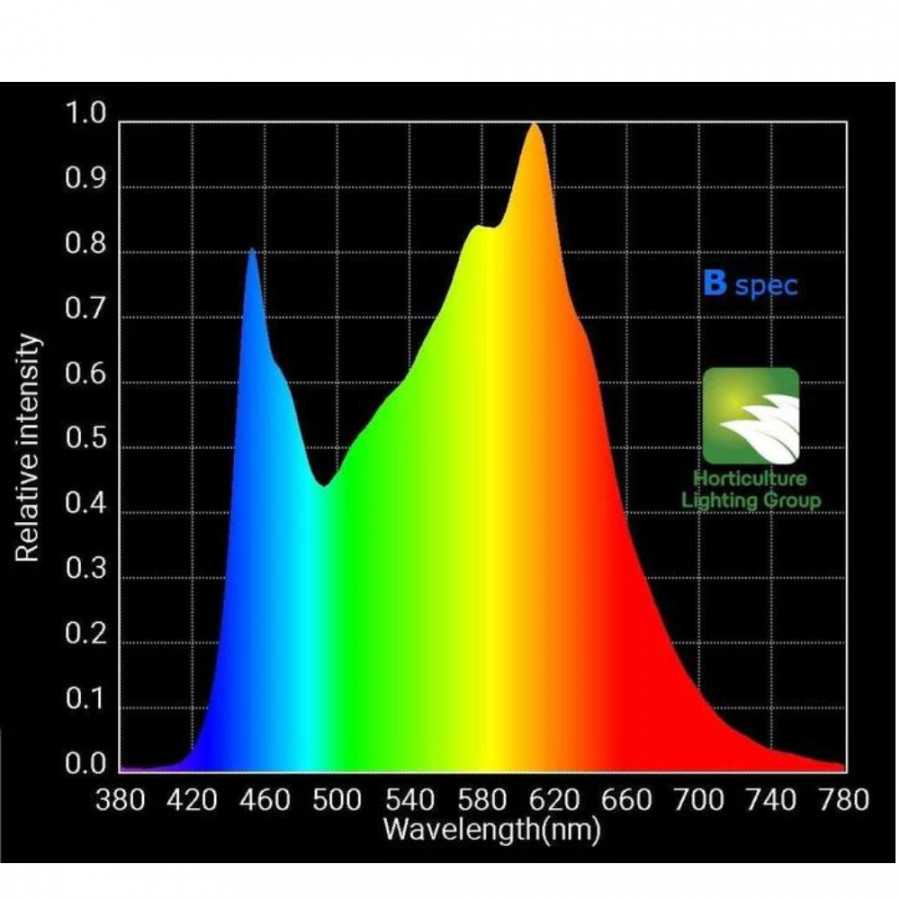
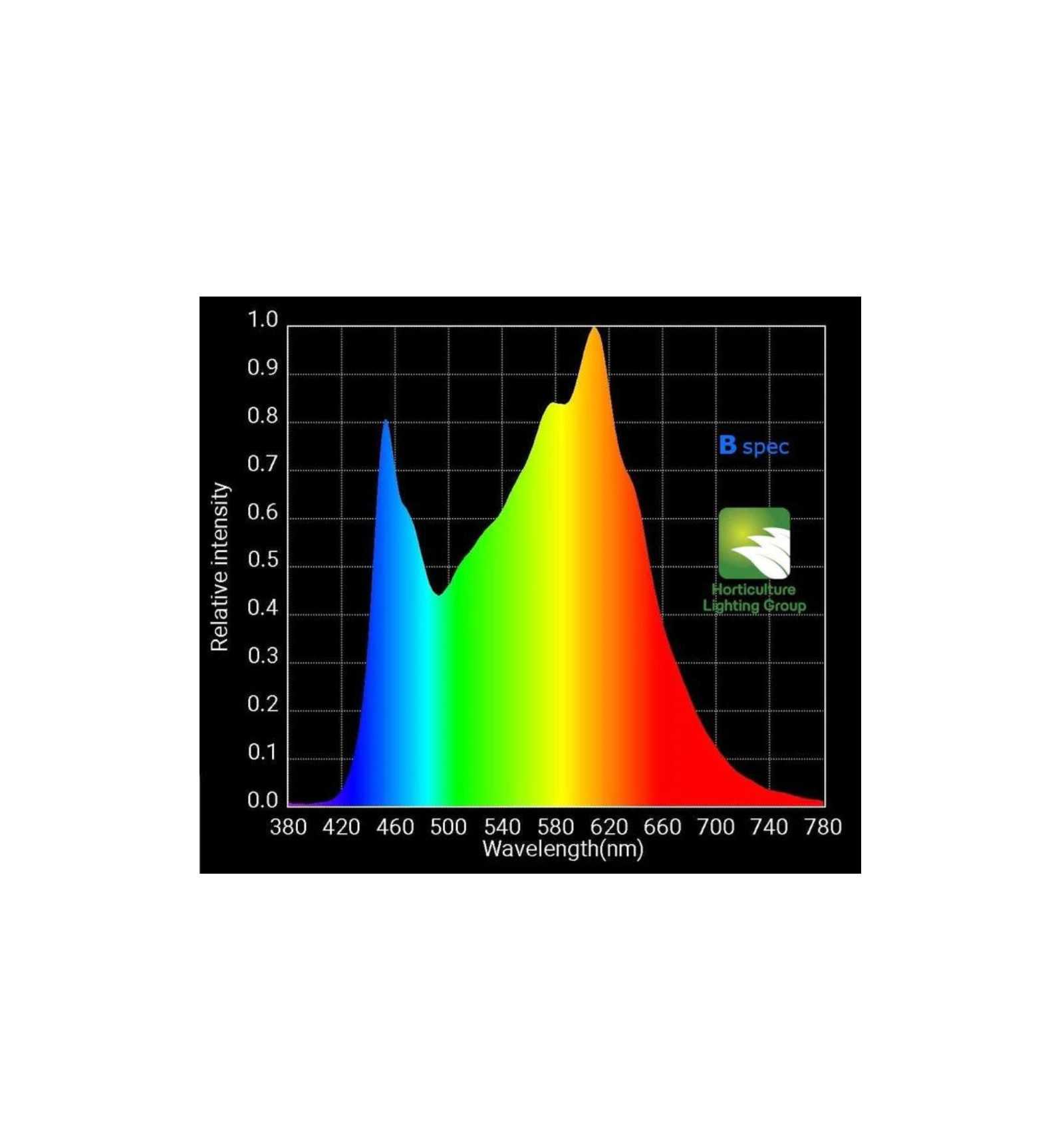
QB288 V2 BSPEC
Our team will reply within 24 business hours.
Ref:
Quote · Lighting study · Administrative Payment Order
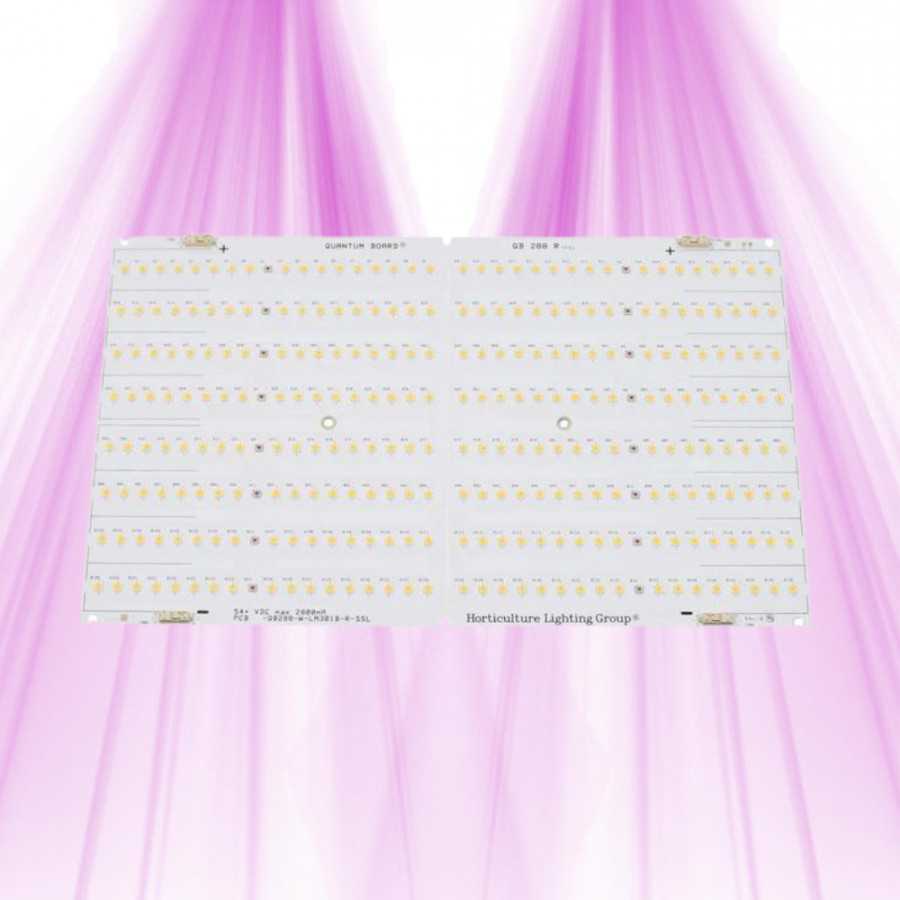
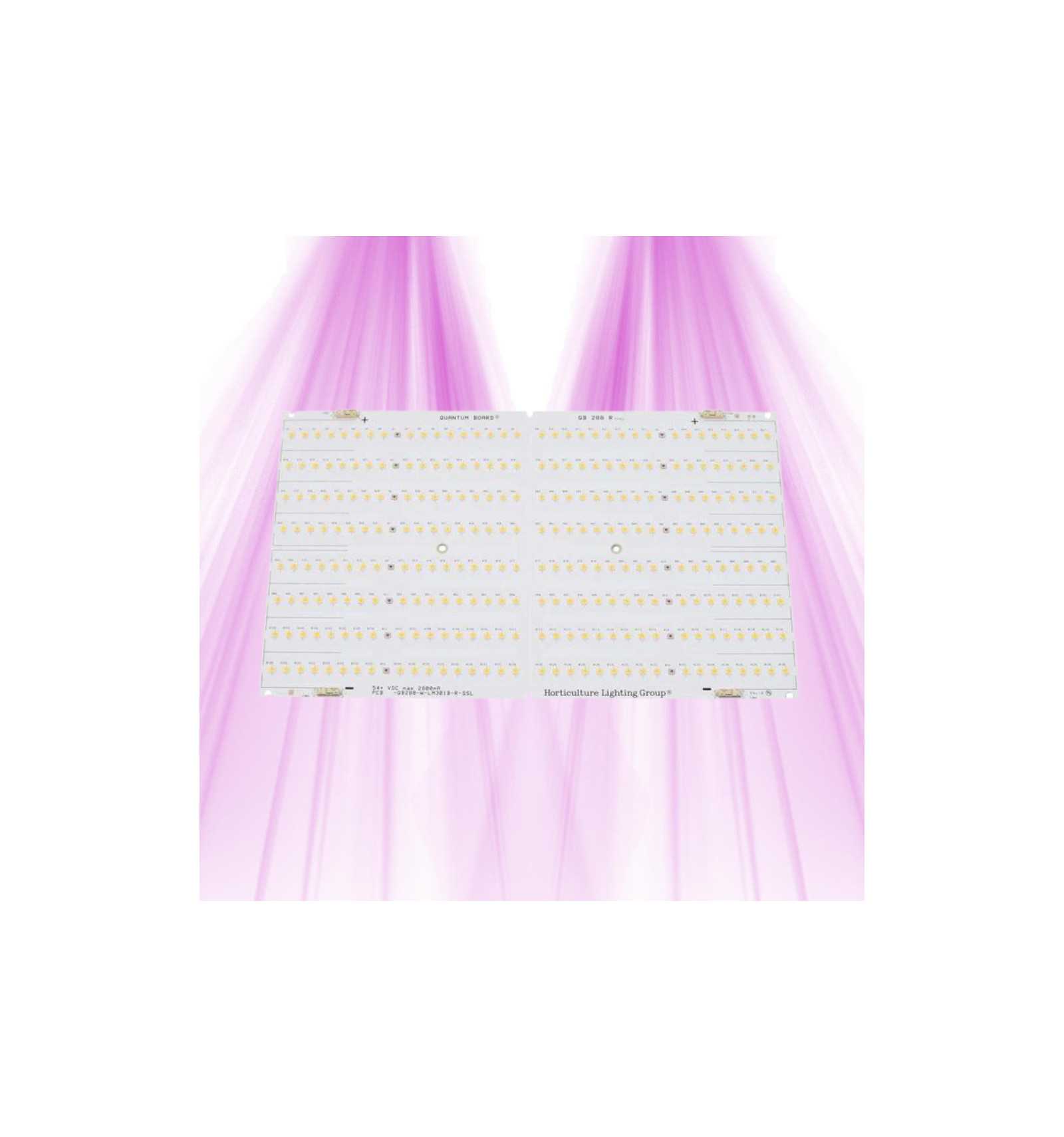
QB 288 V2 Bspec® are high quality LED boards for indoor growing, manufactured in the USA by Horticulture Lighting Group , a company recognized in the industry for designing high-end LED lighting solutions for plants . Each board features 272 highest flux, lowest voltage LM301H full spectrum LEDs and 16 470nm blue LEDs to enhance spectrum for unbeatable plant performance.
Requires aluminum plate or heatsink if operating over 55 watts or over 1050mA
It offers a light spectrum including wavelengths ranging from 400 to 700 nm. This means plants receive all the colors of light they need for optimal growth.
It can be used for a wide variety of plants including vegetables, fruits, herbs and flowers. Growers can also use it for seed propagation or growing cuttings.
The QB288 V2 Bspec is equipped with Samsung LM301B high-efficiency LED chips, which provide a luminous efficiency of 2.7 µmol/J. This means that each watt of power consumed by the card produces 2.7 µmol of photons.
In addition to high-performance white LED chips, it is also equipped with 660nm red LED chips. These red LEDs are essential for flowering plants, as they stimulate flower and fruit production.
| Thermal management | Requires heatsink |
|---|---|
| Dimensions | 17x28 |
| Growing area | 1.5x1.5 |
| Power consumption (W) | 135 |
| Weight (kg) | 0.23 |
| LED type | LM301B, 470nm Blue |
| Efficacy (µmol/J) | 2.7 |
| Voltage (V) | 50 DC |
| Color rendering index (CRI) | 88 |
| Number of LEDs | 272 Samsung LM301H + 16 bleues 470 nm |
| Photosynthetic efficiency | 360 µmol/s |
Montage rapide et utilisation intuitive. Belle lumière, pas de bruit, je recommande pour ceux qui veulent du sérieux sans prise de tête.
Livraison rapide et sans souci, j'ai reçu ma lampe très vite. L'installation est simple, et le panneau fonctionne parfaitement, sans surchauffe. Très content de cet achat !
Excellent produit. Fonctionne super bien, consomme pas trop. Livraison rapide. Satisfait de mon achat.
Très bon éclairage. Efficace et économique. Les résultats sont visibles rapidement. Bon rapport qualité-prix. Merci pour le service.
Aucun avis ne correspond à ce filtre.
The one-year warranty for the QB288 V2 BSPEC does cover frequent failures such as dead LEDs or abnormal power drops related to manufacturing defects. This protection includes the components and benefits from the recognized quality of the Samsung LM301H/LM301B LEDs used.
However, it is essential to follow usage recommendations, particularly ensuring proper thermal dissipation, to avoid warranty-excluded issues related to overheating.
Customer service is well-known for its responsiveness and professionalism, thus limiting delays when handling potential warranty claims.
For an 80x80 cm installation with the QB288 V2 BSPEC operating at 1050 mA, it is essential to use a good-sized aluminum heatsink to ensure efficient heat dissipation. A heatsink suited to the size of the panel guarantees thermal stability, thereby extending the lifespan of the LEDs.
We recommend pairing this heatsink with one or more small fans to optimize air circulation, especially if the cultivation is in a confined space. This helps maintain an optimal temperature and prevents overheating.
If you would like to explore our tailored solutions, you can take a look at our range of heatsinks designed for horticultural panels.
The QB288 V2 BSPEC integrates very easily into an existing hydroponic system. Electrically, it operates with standard horticultural LED drivers (50-54V DC, up to 3000mA), avoiding any major modifications to your setup if you already have a suitable driver.
Regarding the arrangement of the LEDs, it is originally optimized for vegetative growth and does not require adjustment. However, it is important to ensure an even distribution of the panels in the growing space to maximize light coverage.
Finally, to preserve the performance and lifespan of the LEDs, a heat sink or aluminum plate is recommended, especially if the power exceeds 55W. If you wish to enhance the flowering phase in your hydroponics, it may be relevant to complement the QB288 V2 BSPEC with modules integrating deeper red LEDs, such as the RSPEC model.
In summary, this panel is an excellent base, easy to integrate and effective in supporting the growth of your plants in hydroponics.
Regarding the spectrum, it remains in accordance with the technical sheet after 6 months of intensive use. The combination of 3500K LEDs and 470 nm blue LEDs ensures complete coverage of the photosynthetic range, stable over time thanks to the quality of the components.
Finally, the after-sales service is serious and efficient. In case of an LED defect, the after-sales service provides responsive follow-up with quick replacement or repair, ensuring the longevity of your installation.
For thermal dissipation, each QB288 V2 BSPEC must be mounted on an aluminum heat sink, especially if the power exceeds 55W or 1050mA. Good ventilation in the room is also essential to maintain an optimal temperature and preserve the lifespan of the LEDs.
Regarding the electrical connection, it is recommended to connect the boards in parallel to an appropriate driver, respecting the maximum power and current. Be careful not to mix different versions of boards and, if possible, use boards from the same batch to ensure uniform voltage. Avoid daisy-chaining to prevent risks of overheating or outages.
This configuration will provide you with powerful and stable light while protecting your installation from electrical and thermal risks.
The QB288 V2 BSPEC does not natively have integration with a voice assistant to automatically adjust the intensity or light spectrum. Its technical specifications do not provide for intelligent control or a connection compatible with voice assistants.
However, it is possible to consider external management through an appropriate smart control system, but this would require specific additional installation not provided with the panel.
The Samsung LM301B LEDs used in the QB288 V2 BSPEC boast an exceptional lifespan, typically exceeding 100,000 hours. This long lifespan ensures stable and efficient lighting over the long term for your crops.
To ensure optimal cooling without noise or odor, it is essential to opt for a system that combines good heat dissipation via an aluminum chassis with well-thought-out ventilation. Prefer passive ventilation or high-quality silent fans, and position the panel in a well-ventilated space to promote natural air circulation. This will prevent overheating while maintaining a discreet and healthy environment.
The QB288 V2 BSPEC, with its high concentration of LM301H diodes, offers excellent light efficiency while remaining quite sober in terms of heat. For an area of less than 0.5 m², it is generally not necessary to use an active cooling system. A simple aluminum plate or heatsink provides sufficient heat dissipation as long as the power remains below 55 watts.
This passive cooling is optimal for conventional uses in this volume, without pushing the board to its maximum power. A fan becomes relevant only if you want to run the board at high intensity or if you are in an environment with no natural ventilation. Thus, for comfortable growing and preserving the board's longevity in a small space, the passive solution is perfectly suitable.
To ensure optimal performance and a long lifespan of the QB288 V2 BSPEC operating at 1,050 mA, the best way to dissipate heat is to mount the board on an aluminum heat sink or a suitable aluminum plate. This solution ensures excellent heat transfer, which is essential when power exceeds 55 watts or when current reaches 1,050 mA.
It is not necessary to use thermal paste, as the design of the QB288 V2 BSPEC provides effective direct contact with the heat sink. Good cooling keeps the LED temperature within an optimal range, which enhances brightness and significantly extends the lifespan of the components.
The QB288 V2 BSPEC panel consumes approximately 135W in optimal operation, a power suited for a cultivation area of about 1.5 x 1.5 meters. With its Samsung LM301H and blue 470 nm LEDs, it delivers a light output close to 360 µmol/s, ensuring intense and effective light for your plants.
In light of the increase in EDF rates, this panel remains highly profitable as its high energy efficiency maximizes light production per watt consumed. This means less consumption for excellent crop development, optimizing the cost/production ratio over time.
The QB288 V2 Bspec is perfectly suited for a micro grow of 60x60 cm, providing uniform lighting thanks to its full spectrum and high light efficiency of about 2.7 µmol/J. To avoid any overheating, it is essential to mount the panel on an aluminum heat sink or a radiator, especially if the power exceeds 55 watts. With well-managed heat dissipation, this LED panel ensures a stable and high-performance lighting environment for your plants, without the risk of overheating.
Be sure to also use an appropriate driver and provide an effective heat sink, essential for managing the power of these modules. This setup will allow you to extend your lighting system while maintaining optimal quality.
For the QB288 V2 BSPEC board operating at 1500 mA, the light output is approximately 219 µmol/s, based on a power consumption of about 81 W and an efficiency of 2.7 µmol/J.
Regarding the temperature, it is essential to keep the LED chip around or below 55°C (junction temperature) to preserve the longevity and performance of the Samsung LM301H chips (similar to the LM301B). This requires effective cooling, either through a suitable heat sink or robust active ventilation.
For the QB288 V2 BSPEC, the recommended optimal power to prevent any overheating with heatsink is approximately 55 watts, which corresponds to a maximum current of 1050 mA. Beyond these values, an aluminum heatsink is essential to ensure good thermal dissipation and protect the module. The flat design of the QB288 allows for effective direct contact with the heatsink, without the need for thermal paste.
The QB288 V2 BSPEC is primarily equipped with full spectrum white LEDs and blue LEDs, without separate 660 nm red LEDs. Therefore, it is not possible to manage the brightness of the white and red (or blue) LEDs independently on this panel.
Indeed, all the LEDs are connected on a single circuit board, which implies a single overall control of light intensity. To optimize growth and flowering phases in the same box, the recommended solution is to use multiple distinct panels — for example, one QB288 V2 BSPEC for growth and another more red-oriented for flowering — and to adjust each panel separately.
If you want independent control of different colors on the same system, you will need to consider solutions that include drivers or dimmers dedicated by group of LEDs, which is not the case with the QB288 V2 BSPEC.
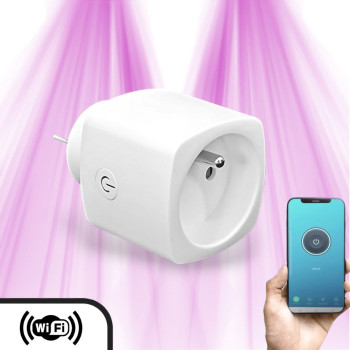
The QB288 V2 BSPEC does not have built-in voice control to directly manage intensity or light cycles. However, its design compatible with standard dimmable LED drivers allows you to add an external controller. By connecting this to a smart home system or a smart switch compatible with your voice assistant (Alexa, Google Assistant…), you will then be able to control your horticultural lighting by voice. This third-party solution is ideal for combining LED performance and voice control in your setup.

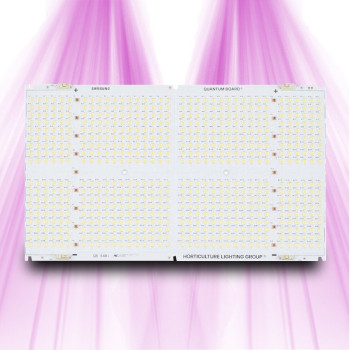

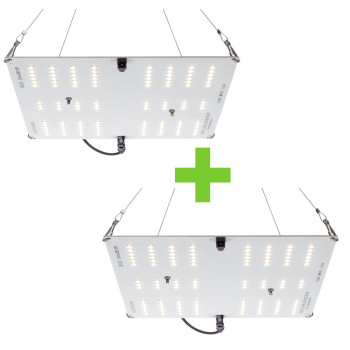


 QB288 V2 BSPEC 127,08 € 5.0/5 Restock in progress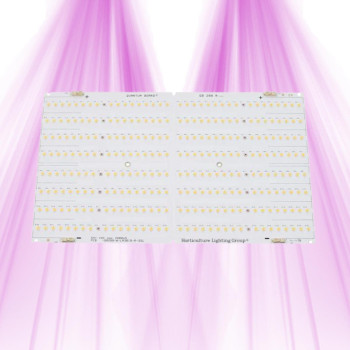
QB288 V2 BSPEC
* Required fields
Write your review and get a voucher for discount 5%
*valid for 150 daysor Cancel


