






































































Plagron
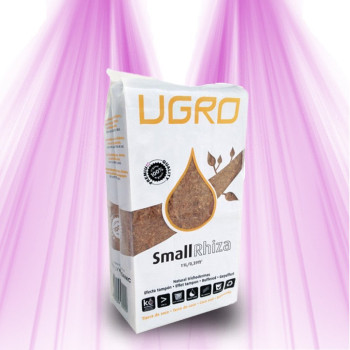
Plagron Cocos Premium - Certified substrate for quality hydroponic growth
In stock · Shipped within 24 h
31,90 €

Product successfully added to your shopping cart
Ça pousse dans le bon sens

6 products
Discover fertilizers with coconut, perfect for optimizing your indoor cultivation.

Help & advice
About Coconut fiber — click a question to see the answer.
Coco coir is a 100% natural and renewable growing medium, derived from the husk of the coconut. In indoor horticulture, I primarily use it for its excellent water retention and aeration properties. It provides an ideal root environment for many plants, promoting healthy and vigorous growth, especially under LED lighting.
The advantages are numerous: I find that it offers excellent root aeration, good water retention while draining excess well, and it is inert, which allows me to precisely control nutrient input. It's also an ecological product. However, its main disadvantage is that it contains no nutrients itself, meaning you will need to manage fertilizer input from the start. Furthermore, poor quality coco can contain too many salts, so it's important to choose it carefully.
For indoor cultivation, and particularly with LED lighting which can intensify certain needs, I recommend choosing horticultural-grade, pre-washed, and buffered coco coir. This ensures it is free of excessive salts and that its pH is stable. I favor reputable brands that offer coir with a granulometry suitable for your irrigation system. Good coco will ensure better water and nutrient management under your LED lights.
The difference is fundamental. Soil is a living substrate, rich in microorganisms and nutrients, but its pH and structure can vary. Rockwool is inert and offers excellent water retention, but it is less ecological. Coco coir, on the other hand, is an inert and aerated substrate, offering the best of both worlds: a high water retention capacity like rockwool, but with a structure closer to soil that promotes good root development. I consider it an excellent compromise for control and performance.
In practice, I use coco coir by rehydrating it before use, especially if it's compressed. It is crucial to always use fertilizers specifically formulated for coco, as it has different cation exchange properties than other substrates. The most common mistake I see is not buffering the coco or not rinsing it enough, which can lead to deficiencies or salt excesses. Another mistake is overwatering, because even though it drains well, constant excess can suffocate the roots.
For a beginner, I strongly advise starting with pre-prepared coco coir, meaning pre-washed and buffered. This will save you the complex steps of rinsing and pH stabilization, which can be tricky at first. I also recommend choosing loose coir rather than compressed blocks for ease of use. The important thing is to focus on watering and nutrient input, which are the keys to success with this substrate.
To optimize your indoor LED grow, I recommend choosing a superior quality coco coir, with a stable structure and low initial electrical conductivity (EC). Products enriched with trichodermas or other beneficial microorganisms can also be a plus for root health. I favor brands that guarantee clean and inert coco, which allows me to have total control over nutrient input and precisely adapt my fertilization strategy to the intensity of my LED lighting.
Cannot find your answer? 01 88 33 45 52 or by message.