





























Aller au contenu principal
2 produits

Growing table

Professional Grow Tables: The Infrastructure That Changes Everything

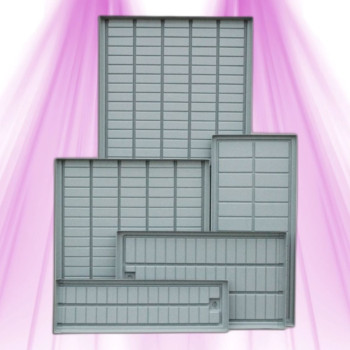
A grow table is the foundation of any serious indoor setup. Frankly, when you see the difference between growing on the floor and on a proper, adapted table, you quickly understand why pros swear by them. These elevated structures completely transform space management, drainag...

Professional Grow Tables: The Infrastructure That Changes Everything

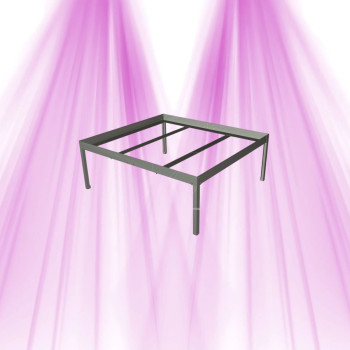
A grow table is the foundation of any serious indoor setup. Frankly, when you see the difference between growing on the floor and on a proper, adapted table, you quickly understand why pros swear by them. These elevated structures completely transform space management, drainage, and ergonomics in your grow room.Specifically, we're talking about metal platforms designed to support the weight of your trays, optimize water flow, and save you from backaches with every intervention. This is where it changes everything in terms of organization and yield.

Why choose an adapted grow table

First, ergonomics. Working at waist height rather than on your hands and knees is a world of difference. Your plants are within reach, inspection becomes a pleasure, and manipulations are effortless. For sessions lasting several hours, it's a total game-changer.Next, drainage. A well-designed table naturally drains excess water to a collection point. No more stagnant puddles and risks of root rot. Air circulates freely under the containers, which improves substrate oxygenation.Space optimization also matters greatly. With a table, you utilize every available square centimeter. Standardized dimensions (120x60cm, 150x75cm) adapt perfectly to common grow tents. And in terms of cleaning, it's incomparable: a quick spray and it's clean.

How to choose your grow table

First, size. Measure your available space, leaving 30-40cm of clearance around it. A 120x60cm table is suitable for 4-6 medium plants, while a 150x75cm can accommodate 6-9 plants depending on the technique used.The material makes all the difference. Galvanized steel resists corrosion and easily supports 50-80kg. Avoid basic aluminum, which deforms under weight. Tubes of at least 25x25mm guarantee rock-solid stability.For the tray, two schools of thought: a mesh bottom for maximum drainage or a watertight bottom for sub-irrigation. The mesh is perfect for soil and clay pebbles. The watertight allows for hydroponic systems with an integrated reservoir.Mobility can be crucial. Lockable casters transform a fixed table into a mobile station. Practical for cleaning behind or reorganizing the space according to cultivation phases.

Frequently Asked Questions

What size grow table should I choose for my indoor space?

It all depends on your available dimensions and the number of plants you're aiming for. For a 120x120cm tent, a 100x100cm table leaves enough space to move around. In a 150x150cm space, you can install a 120x60cm table with comfortable clearance. Always allow at least 30cm on the sides for easy access to the plants at the back. A table that's too large in a small space quickly becomes unmanageable.

How to properly install and drain a grow table with soil?

With soil, opt for a mesh bottom that allows excess water to drain. Place a collection tray under the table with a slight slope towards a drainage point. Pots should have drainage holes and rest on perforated saucers to prevent stagnation. Check that the structure can support the weight: 20L of moist soil weighs approximately 15-18kg. A standard table can support 6-8 pots of this size without issue.

What is the difference between a table with a mesh bottom and one with a sub-irrigation bottom?

The mesh bottom directly drains excess water downwards, perfect for soil or coco cultivation with top watering. The watertight bottom retains water and allows for sub-irrigation: roots draw water by capillarity from below. This technique maintains constant humidity and reduces watering frequency. The mesh offers more security against over-watering, while the watertight optimizes water and nutrient consumption.

How do I maintain and clean my galvanized steel grow table?

Galvanized steel is easily cleaned with soapy water and a soft brush. Avoid abrasive products that scratch the galvanization. A rinse with diluted bleach (1:10) disinfects between crops. Dry thoroughly to avoid limescale stains. Regularly check welds and fastenings, especially if you move the table often. Monthly maintenance is sufficient to keep a table in pristine condition for years.

Can casters be added to a grow table, and how are they attached?

Yes, most tables can accommodate swivel casters with brakes. Choose casters that can support at least 25kg each for a loaded table. Installation is done by screwing into the tubes, using plates adapted to the diameter. Ensure the casters have sufficient height not to interfere with drainage. Casters greatly facilitate cleaning and reorganization, especially in confined spaces where every centimeter counts.
Showing 1 - 2 of 2 items
What is an indoor grow table for and why is it so important?
   

As an expert, I can tell you that a grow table is the cornerstone of an efficient indoor setup. Its primary purpose is to elevate your plants, which significantly improves space management, air circulation under the foliage, and most importantly, access for maintenance. No more back pain from constantly bending over!

Furthermore, it centralizes drainage, making water and nutrient management much cleaner and more efficient. This is a significant time and cleanliness saver, especially for professional cultivations.

How do I choose the right grow table for my indoor space?
   

To choose the right table, I advise you to start by precisely measuring your grow space. You need to consider the length, width, and also the available height under your lights. The goal is to optimize every square centimeter without hindering your plants' growth or your access.

Also, think about the size of your pots or hydroponic systems. The table must be able to accommodate them comfortably while leaving a little margin. I always recommend choosing a table slightly smaller than the maximum space to facilitate circulation around it.

What size grow table should I choose for my grow room?
   

The ideal size will directly depend on the surface area of your grow room and the number of plants you wish to cultivate. I advise leaving a minimum of 30 to 50 cm on each side of the table to be able to move around and work on your plants without difficulty. If you have a 120x120 cm room, a 100x100 cm table would be a good compromise.

Don't forget to consider the footprint of your extractor, carbon filter, and any other equipment that might encroach on floor space. Optimization is key!

What material should I choose for a professional grow table?
   

For a professional grow table, I unhesitatingly recommend robust and corrosion-resistant materials. Aluminum or galvanized steel are excellent choices for the structure, as they are lightweight, durable, and do not rust in a humid environment.

For the tray, ABS or polypropylene are perfect: they are easy to clean, chemically inert, and withstand temperature variations and humidity well. Avoid porous materials that could retain pathogens or degrade over time.

What is the ideal grow table height for ergonomics?
   

Ergonomics is a crucial point that I always emphasize. The ideal height of your grow table should allow you to work comfortably without excessive bending. I often see tables that are too low, which end up causing back pain.

Generally, a height of 60 to 80 cm is a good starting point, but it also depends on your own height. Ideally, the top of the table should be roughly at your waist height or slightly below, so you can handle your plants effortlessly.

What mistake should be avoided when installing a grow table?
   

The most common mistake I encounter is underestimating the importance of stability and levelness. A poorly leveled table can lead to drainage problems, with stagnant water on one side and inefficient runoff on the other. Make sure your table is perfectly horizontal and stable to support the weight of your plants and water.

Another mistake is not anticipating access for maintenance. Always leave enough space around the table to be able to work comfortably, water, and inspect your plants without contortion. Good planning will save you valuable time and avoid many hassles.

Blog navigation

Latest posts

VIVOSUN Grow Cam 6mm 2K QHD WiFi Grow Camera

Tired of anxiety when you're away from your grow? The VIVOSUN Grow Cam 6mm 2K QHD WiFi Grow Camera lets you keep an...
Read more
STOP à la Tourbe ! Découvrez les 4 Meilleurs Substrats Écologiques pour une Culture Indoor Explosive

Le monde du jardinage connaît une transformation silencieuse mais profonde. Face à l'urgence climatique et à la prise...

Read more
Master Pack PRO Advanced Nutrients: Created by GrowLED for demanding growers!

When you're starting out or looking to optimize your indoor growing, the hardest part is often choosing the right...

Read more