





































































The Pure Factory
Pure Led MAX 1000W - 2.76 umol/J - Multi-bar system for intensive cultivation
In stock · Shipped within 24 h
1 299,00 € or 3× 433,00 €

Product successfully added to your shopping cart
Ça pousse dans le bon sens

5 products
Intensive cultivation on a 150x90cm surface represents the art of getting the most out of a compact 1.35m² setup. This approach demands precise technical mastery: powerful LED lighting, optimized ventilation, and rigorous space management. With the right equipment, this area becomes a true production laboratory where every square centimeter counts.
The main advantage of this surface area is that it allows for the installation of a truly efficient system without taking up too much space. Frankly, a well-optimized 1.35m² can rival much larger, poorly designed setups. Modern LED lighting easily delivers 400-600 µmol/m²/s over this surface, which meets the needs of quality intensive cultivation.
Ventilation also becomes easier to manage. A 150-200 m³/h extractor is more than enough to effectively renew the air in a 2-3m³ volume. This is where it changes everything: you perfectly control temperature and humidity without the hassle of larger installations. Energy costs remain reasonable, around 200-300W for lighting and 50W for ventilation.
For lighting, aim for 200-300W of full spectrum LED evenly distributed. 240W quantum boards are perfect for this surface – they cover exactly 1.35m² with uniform intensity. Pay attention to height: keep 30-40cm between the LEDs and the canopy to avoid light burn.
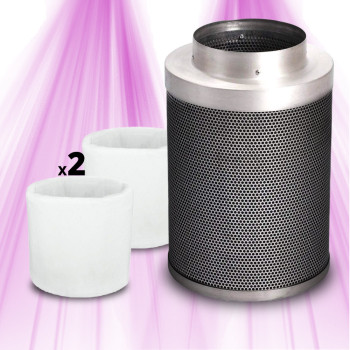
For ventilation, a centrifugal extractor of at least 150 m³/h with a suitable carbon filter. Don't forget passive or active intake depending on your setup. The ideal temperature is between 22-26°C during the day, 18-22°C at night. Humidity should gradually decrease from 70% during growth to 40-50% at the end of flowering.
To maximize space, consider SCROG (Screen of Green) or LST (Low Stress Training). These techniques allow you to fit 4-6 medium plants or 2-3 large ones on the surface. The important thing is to maintain a uniform canopy at 60-80cm in height to optimize light penetration.
For intensive cultivation on 1.35m², opt for a 240-300W full spectrum quantum LED panel (3000K-6500K). Samsung LM301B or LM301H models offer an efficiency of 2.7-3.0 µmol/J, ensuring a PPFD of 400-600 µmol/m²/s across the entire surface. Avoid low-end purple LEDs that generate too much heat and consume more power. The optimal hanging height is between 30-45cm depending on the chosen power.
With 1m tall plants, count a maximum of 4 plants in 11L pots for successful intensive cultivation. This density allows each plant to properly develop its lateral branches without hindrance. If you master SCROG training, you can go up to 6 plants in 7L pots, but regular pruning and training will be necessary. The minimum spacing between pots should be 15-20cm for air circulation.
For a 1.35m² grow box with a height of 2m (volume 2.7m³), a 150-200 m³/h centrifugal extractor is perfectly suitable. Prefer models with a dimmer to adjust the flow rate according to the cultivation phases. For intake, passive 125mm grilles are sufficient, or a 100 m³/h intake fan if you want total control. To avoid light leaks, install anti-backflow elbows on all ducts and check the seal of the connections with aluminum tape.
Installation in a small room requires particular attention to the filtration system. Use an oversized carbon filter (200-250 m³/h) compared to your extractor to guarantee zero odor. Place the grow box away from heat sources and allow 50cm of space around it for maintenance. Air can be exhausted to the outside via an insulated duct, or recirculated into the room if it is larger than 15m². Pay attention to the ambient temperature: it should not exceed 25°C, otherwise your grow box will overheat.
After each harvest, completely disassemble the setup and clean the tent with a 3% hydrogen peroxide solution or 70% isopropyl alcohol. Pay special attention to corners and zippers where moisture accumulates. Let it dry for 24 hours with windows open before reassembling. Also clean pots, saucers, and supports with the same solution. Systematically change carbon filters every 12-18 months and dust off LEDs with a dry cloth. This routine prevents 90% of mold and pest problems between grows.
Help & advice
About Intensive Culture — click a question to see the answer.
For intensive cultivation on 1.35m² (150x90cm), I recommend a real LED power of at least 450 to 600 Watts. The goal is to achieve sufficient and homogeneous PPFD (photosynthetic photon flux density) across the entire surface. Too little power would limit your yields, even with perfect management of other parameters.
Installing an LED light on 1.35m² requires precision. I advise you to suspend your fixture using ratchet hangers to easily adjust the height. Make sure the light uniformly covers the entire 150x90cm surface. If your fixture is modular, position the bars to avoid shaded areas and ensure optimal distribution.
The main difference, and what leads me to prefer LEDs for intensive cultivation, lies in efficiency and heat management. LEDs are much more energy efficient, converting a larger portion of electricity into useful light for plants, and generate less heat. This greatly simplifies the climate management of your 1.35m² space, and can even help you reduce your electricity consumption. HPS, although powerful, produce a lot of heat and have a less modulable spectrum.
For intensive cultivation on 1.35m², I advise you to favor LED fixtures with a full spectrum, high actual power (450-600W as mentioned previously), and good efficiency (expressed in µmol/Joule). Models with LED bars are often ideal for homogeneous coverage over this surface. Don't forget to check the quality of the diodes and drivers; this is a guarantee of durability and performance.
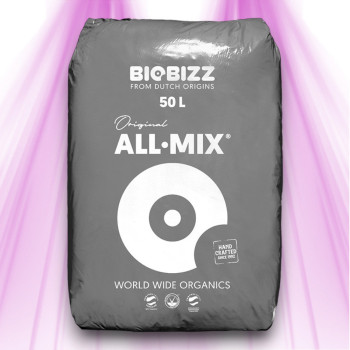
The most common mistake I see is to underestimate the light intensity of LEDs and place them too close to plants, causing light stress. You must also ensure good humidity and ventilation management, because LEDs, producing less heat, can lead to higher humidity. Finally, do not neglect the quality of your substrate, a crucial aspect that I often discuss, for example by explaining how to choose the right Biobizz soil.
A full spectrum in horticultural LED is essential because it mimics natural sunlight, providing your plants with all the pigments necessary for photosynthesis, from germination to flowering. This means you don't need to change lamps or manually adjust the spectrum between growth and flowering phases, which greatly simplifies the management of your intensive cultivation on 1.35m² and ensures harmonious development of your crops.
The ideal distance between your LED and your plants on 1.35m² depends heavily on the power and model of your fixture. In general, I start with a distance of 40 to 60 cm for young plants and gradually lower it to 30-40 cm during the flowering phase, or even less for some very high-performance models. The important thing is to observe your plants: if the leaves turn yellow or curl upwards, the light is too intense. Use a lux meter or a PPFD sensor if you have one to fine-tune this setting.
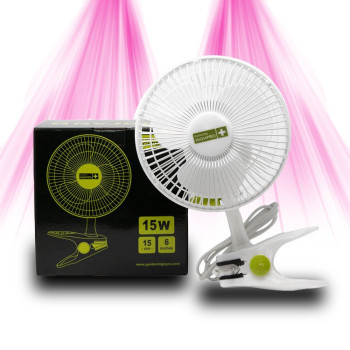
Even if LEDs emit less heat than HPS, efficient ventilation is crucial for intensive cultivation on 1.35m². I recommend an extractor capable of renewing the air in your space every 1 to 3 minutes, or about 250 to 400 m³/h for this surface. Don't forget a passive or active intake fan and a circulation fan to ensure good air circulation at canopy level. This helps prevent diseases and strengthen your plants' stems.
Cannot find your answer? 01 88 33 45 52 or by message.


