Tubular heater: the discreet solution to warm your grow space
The tubular heater is one of the most practical solutions for maintaining a stable temperature in your indoor grow space. Compact and efficient, this type of heater diffuses gentle and even heat, perfect for preventing thermal shock to your plants. Unlike traditional radiators, its elongated shape allows for optimal placement even in confined spaces.
Why choose a tubular heater for your grow
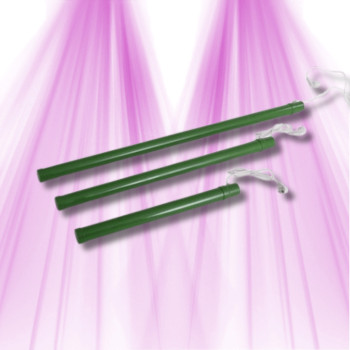
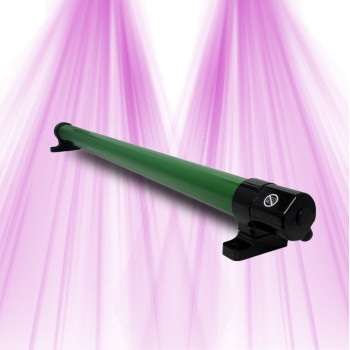
The main strength of the tubular heater is its ability to heat uniformly without creating hot spots. Its design allows for radiant diffusion that gradually warms the ambient air. The ECOHEAT 240W Heater with thermostat - GreenHouse Heater perfectly illustrates this approach with its 240W power, effectively covering up to 9 m².
The advantage of the tubular format is also its discretion. You can mount it on the wall, hang it, or place it on the floor according to your needs. Its elongated shape distributes heat better than a spot heater, which prevents overheated areas near the device and cold spots in corners. For growing in boxes or tents, it's really practical.
In terms of consumption, these heaters are generally economical. They often operate with integrated thermostats that automatically regulate the temperature, avoiding energy waste. Most models offer several power levels to adapt to seasonal variations.
How to choose your tubular heater
Power is the first criterion to consider. Count approximately 25 to 30W per m² for supplemental heating in an insulated space. For a 1m² grow box, a 240W model like the ECOHEAT will be largely sufficient and will even give you a safety margin for the coldest nights.
The presence of an integrated thermostat changes everything in terms of practicality. It saves you from constantly monitoring the temperature and ensures automatic regulation. Also check the adjustable temperature range – some models go down to 5°C for frost protection, others go up to 35°C for critical phases.
Dimensions also matter. A 60cm tubular heater will be easier to fit than a 120cm model, but the heat distribution will not be the same. Consider the available space and possible mounting points in your setup.
Finally, look at the integrated protections: overheating, water splash (IP rating), automatic shutdown in case of tipping. These safety features are crucial in a humid environment like indoor growing.
Frequently Asked Questions
What power tubular heater should I choose for a 1m² tent in indoor growing?
For a 1m² tent, a power of 200 to 300W is largely sufficient. The classic calculation of 25-30W per m² provides a baseline, but in a confined and insulated space like a tent, 240W can easily maintain 20-25°C even when it's 10°C outside. A model with an adjustable thermostat will give you the flexibility to adjust according to the seasons. Be careful not to oversize – too much power in a small space can create sudden temperature variations.
How do I install a tubular heater in my grow box without risking damage to the plants?
Installation must respect a minimum distance of 50cm from plants to avoid burns. Preferably fix it at the bottom of the grow box, as heat naturally rises by convection. Avoid placing it directly under the plants – prefer a corner or side of the box. If you hang it, use adjustable chains to be able to adjust the height according to growth. Make sure the power cables never touch the device when in operation.
Do tubular heaters dry out the air and how can I prevent this?
Yes, like any electric heater, they tend to reduce relative humidity by warming the air. To compensate, place a tray of water near the heater or use a supplemental humidifier. Monitor your hygrometer – humidity should not drop below 40% during the vegetative phase. Good ventilation also helps to homogenize the air and prevent dry air pockets. Some growers place a damp towel on a stand near the heater for a passive humidifying effect.
Can a tubular heater be suspended horizontally or vertically in a grow box?
Most tubular heaters are designed to operate horizontally, which is their optimal position for heat diffusion. Some models allow vertical installation, but always check the manufacturer's specifications. Horizontal installation provides better heat distribution along the entire length of the tube. If you need to install it vertically, make sure the ventilation grilles are not obstructed and that air can circulate freely around the device.
Is a thermostat necessary with a tubular heater and how do I maintain it?
A thermostat is almost essential to avoid temperature variations that stress plants. Models with integrated thermostats are more practical, but an external thermostat gives you more precision in setting. For maintenance, regularly dust the grilles with a dry brush, check the condition of the power cable, and test the thermostat at the beginning of the cold season. Avoid direct water on the device – a slightly damp cloth is sufficient to clean the external surface when it is unplugged and cooled.