
































Aller au contenu principal
52 produits

Watering / Irrigation

Watering and irrigation in indoor growing are key elements in ensuring the health and development of indoor plants. To provide water and nutrients adequately, it is important to know each plant's specific water needs and consider air and soil conditions. There are several methods of watering and irrigation in indoor growing, as well as different...

Watering and irrigation in indoor growing are key elements in ensuring the health and development of indoor plants. To provide water and nutrients adequately, it is important to know each plant's specific water needs and consider air and soil conditions. There are several methods of watering and irrigation in indoor growing, as well as different equipment that can make this task easier.

Showing 37 - 48 of 52 items
How to properly water your indoor plants?
   

To properly water your indoor plants, I always advise checking the moisture of the substrate before acting. Push your finger a few centimeters deep: if it's dry, it's time to water. Water thoroughly until water drains from the drainage holes, then empty the saucer to prevent excess water that could suffocate the roots. I also recommend using room temperature water to avoid shocking the plant.

What is the difference between top watering and bottom watering (soaking)?
   

The difference is significant. Top watering involves pouring water directly onto the substrate. This is the most common method, but it can compact the soil and may not always hydrate uniformly. Bottom watering (soaking), on the other hand, involves placing the pot in a container filled with water for 15 to 30 minutes, allowing the substrate to absorb water by capillarity from the bottom. I find that bottom watering is excellent for plants that appreciate deep and uniform hydration, and it prevents nutrient leaching.

How do I know if my plant needs water?
   

Several signs can alert you. The simplest is to touch the substrate: if it's dry a few centimeters deep, that's a good indicator. Leaves can also give you clues: slight wilting, a dull appearance, or a loss of rigidity are often signs of thirst. For a more precise approach, I recommend using a watering indicator that measures soil moisture.

Which autonomous watering system should I choose for my indoor plants?
   

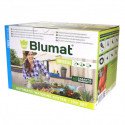
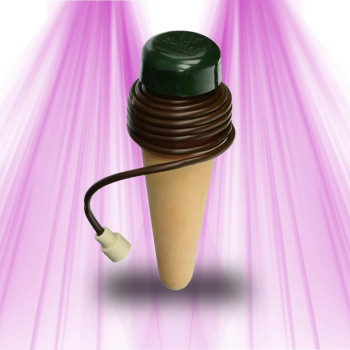
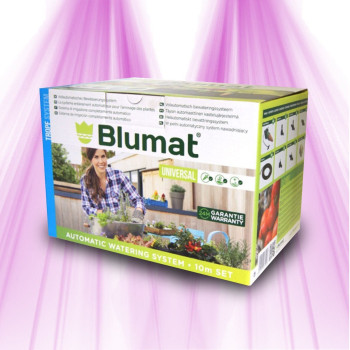
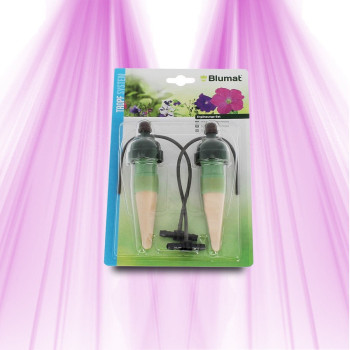
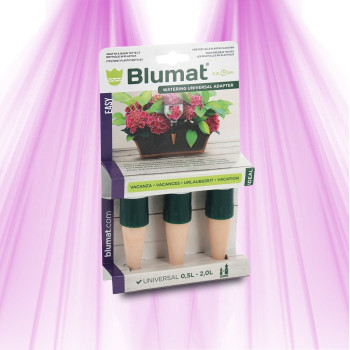
If you're looking for an autonomous solution, I advise you to look into systems like Blumat. These systems work without electricity and deliver water drop by drop according to the plant's needs, thanks to a ceramic cone that detects soil moisture. For more complex installations, water pumps and programmers can be considered, especially if you have many plants or are going on vacation. It's an excellent way to ensure consistent hydration.

What mistake should be avoided when watering potted plants?
   

The most common mistake I see is overwatering. Excess water can lead to root asphyxiation, rot, and the appearance of diseases. It is always better to water less often but thoroughly, rather than often and in small amounts. Another mistake is letting water stagnate in the saucer, which also promotes rot. Always ensure that excess water is drained.

How to choose the right pot with drainage for my plants?
   

The choice of pot is crucial for good drainage. I always recommend opting for pots with drainage holes at the bottom. These holes allow excess water to escape, thus preventing stagnation and root rot. Materials like terracotta are porous and promote better substrate aeration, which is a plus. In practice, good drainage is the first step towards a healthy plant.

What is a watering indicator for indoor plants used for?
   

A watering indicator is a very practical tool for gardeners, both beginners and experienced. It is used to precisely measure the moisture level of the substrate. Instead of guessing or relying solely on touch, this device gives you a reliable reading, often on a colored or digital scale, telling you whether your plant needs water or not. This greatly helps to avoid overwatering or underwatering, which are the main causes of indoor plant mortality.

How to combine watering and fertilization for my plants?
   

To combine watering and fertilization, I generally advise to fertilize after a light watering. This helps prevent the roots from being burned by too high a concentration of nutrients on a dry substrate. You can also dilute the fertilizer in the watering water, strictly following the manufacturer's recommended doses. In practice, I often prefer a regular supply of diluted fertilizer rather than a massive and occasional supply, for a gentler and continuous absorption.

Blog navigation

Latest posts

What Wattage LED Grow Light Should a Beginner Choose?

What wattage LED grow light should a beginner pick? Real watts, W/m², PPFD and a 60x60 setup explained in the GrowLED...

Read more
VIVOSUN Grow Cam 6mm 2K QHD WiFi Grow Camera

Tired of anxiety when you're away from your grow? The VIVOSUN Grow Cam 6mm 2K QHD WiFi Grow Camera lets you keep an...

Read more
STOP à la Tourbe ! Découvrez les 4 Meilleurs Substrats Écologiques pour une Culture Indoor Explosive

Le monde du jardinage connaît une transformation silencieuse mais profonde. Face à l'urgence climatique et à la prise...

Read more