Green Plant Accessories and Tools: The Complete Equipment
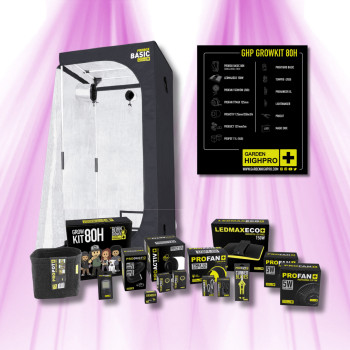
Green plant accessories and tools encompass all the necessary equipment to create an optimal indoor growing environment. Growing pots, suitable substrates, LED lighting systems, stakes, and supports: each element plays a crucial role in the development of your plants. Whether you're starting with a few houseplants or setting up a full-fledged growing space, the right equipment makes all the difference.
Why invest in suitable accessories and tools
Frankly, growing green plants without the right equipment is just making life harder for yourself. A poorly drained pot can lead to root rot in a few weeks. An unsuitable substrate limits nutrient absorption. And without sufficient lighting, your plants will become leggy and lose their vitality. This is where specialized accessories change everything: they create the perfect conditions for your plants to thrive.
Pots with integrated drainage automatically remove excess water. Specifically formulated substrates provide the right structure and nutrients for each type of plant. Horticultural LED lamps compensate for the lack of natural light with optimized spectra between 400 and 700 nm. The result: more vigorous plants, accelerated growth, and fewer phytosanitary problems.
How to choose your accessories and tools wisely
For pots, the golden rule is drainage. Count on at least 3-4 holes of 8-10mm in diameter for a 20cm pot. Terracotta breathes better but dries faster, while plastic retains moisture longer. For size, plan for 2-3cm larger than the current pot when repotting.
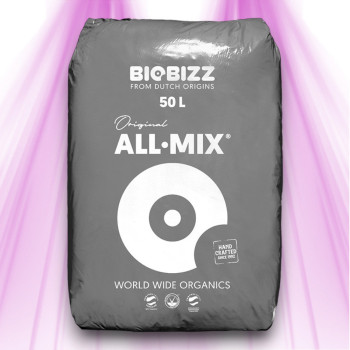
For lighting, calculate 30-50 watts per m² for classic green plants. Full spectrum LEDs cover all light needs with reduced consumption. Install them 30-60cm from the leaves depending on the power. Substrates vary by species: universal potting soil for most, a draining mix for succulents, an airy substrate for tropical plants.
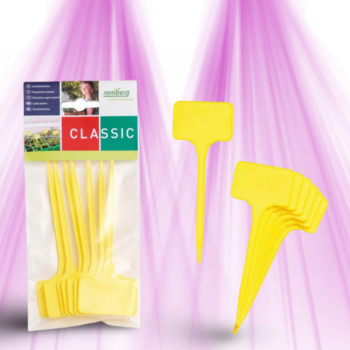
Stakes and supports adapt to growth: natural bamboo up to 1.5m for light plants, metal stakes for heavier species. Adjustable clips and velcro ties allow gentle guidance without damaging stems.
Frequently Asked Questions
What type of pot with drainage holes should I choose: terracotta, plastic, or resin?
Terracotta remains the reference choice for its natural porosity, which allows roots to breathe and wicks away excess moisture. It is perfect for plants sensitive to overwatering, such as cacti or Mediterranean plants. Plastic retains water better, ideal for tropical plants that love constant humidity. Resin combines the advantages of both: lightweight like plastic but with better water regulation. To start, opt for terracotta with at least 4-5 drainage holes of 8mm.
How do I properly install an LED grow light for my indoor plants?
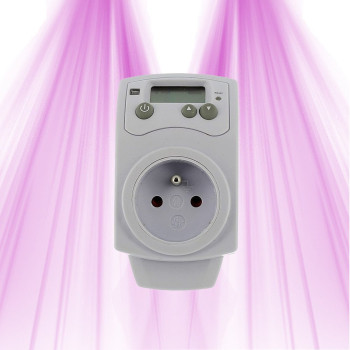
Position your LED lamp 30-50cm above the plants depending on its power: 30cm for 30-50W, 50cm for 100W and more. Use a timer to maintain 12-16 hours of daily lighting depending on the species. Check that the spectrum covers at least 400-700nm with peaks in blue (440nm) and red (660nm). Adjust the height if you observe etiolation (too far) or leaf burn (too close). A lux meter helps you measure intensity: aim for 10,000-20,000 lux for most green plants.
What is the difference between a decorative cachepot and a functional growing pot?
A growing pot has essential drainage holes to remove excess water and oxygenate the roots. It is placed directly in contact with the soil and roots. A cachepot is purely decorative, without drainage, and serves to dress up the growing pot. This double protection helps protect your floors while maintaining optimal drainage. Always choose a cachepot 2-3cm wider than your growing pot for easy maintenance. Regularly empty stagnant water from the cachepot to prevent root rot.
What substrate and fertilizer should I use for my specific indoor plants?
Universal potting soil is suitable for 80% of indoor green plants with its balanced composition of peat, compost, and perlite. For cacti and succulents, mix 50% potting soil with 50% coarse sand or perlite for optimal drainage. Tropical plants (monstera, ficus) prefer a rich substrate: potting soil + 20% compost + 10% vermiculite. For fertilizer, a liquid NPK 10-10-10 diluted to 50% every 2 weeks during the growing season is sufficient. Reduce to once a month in winter when growth slows down.
How do I use stakes, clips, and velcro ties to support my climbing plants?
Install the stake at planting to avoid damaging the roots later. Drive it 5-8cm from the main stem, on the side opposite to the desired growth direction. Secure the main stem with flexible ties every 15-20cm: velcro ties for fragile stems, adjustable clips for more robust branches. Always leave 2-3mm of space to allow for stem thickening. Guide new shoots in a spiral around the stake rather than in a straight line to stimulate branching. Replace overly tight ties as soon as they mark the bark.