




































































G-Tools
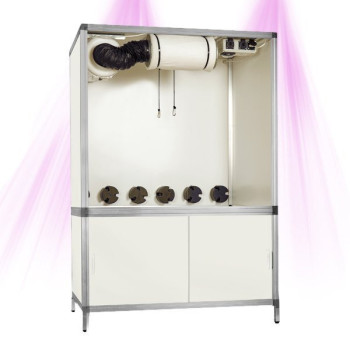
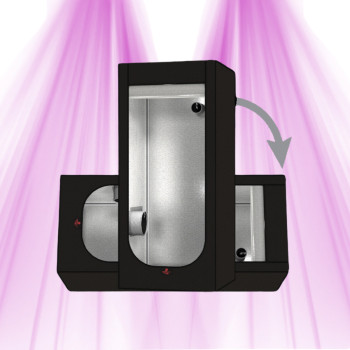
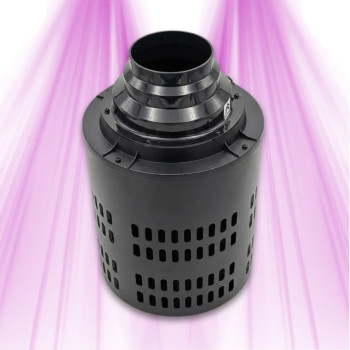
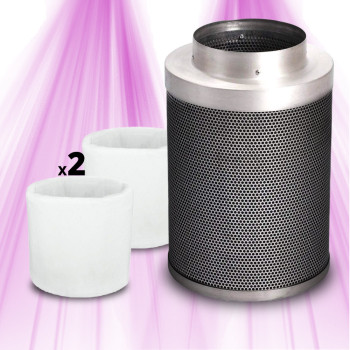
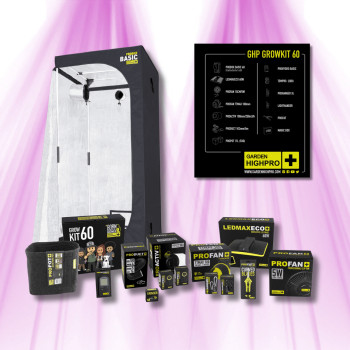
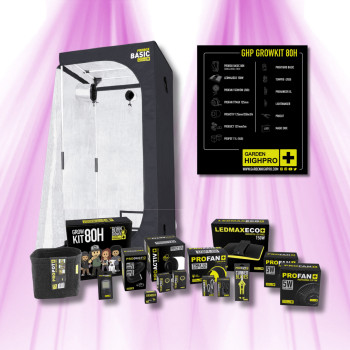
Cabinet 60x60x120 cm - Complete kit with box + extractor + carbon filter + timer
Ships within 2 weeks
589,00 € or 3× 196,33 €

Product successfully added to your shopping cart
Ça pousse dans le bon sens

2 products
Grow tents are the turnkey solution for creating a controlled growing environment at home. These enclosed structures allow for complete control over growing conditions: temperature, humidity, light, and air circulation. Whether you're just starting out or looking to optimize your setup, a well-chosen grow tent makes all the difference.
The main advantage of a grow tent is total environmental control. Unlike an entire dedicated room, the tent perfectly isolates your plants from external variations. The reflective interior fabric (usually silver Mylar) optimizes light distribution and prevents losses. The pre-designed openings facilitate the installation of ventilation ducts, avoiding risky DIY.
Discretion is another major asset. A grow tent looks like a classic wardrobe when closed. No odors escape thanks to the airtight closures, especially if you add a carbon filter to the exhaust. This is particularly practical in apartments or when space is shared.
In terms of practicality, everything is designed to simplify maintenance. Removable trays make cleaning easy, observation windows allow monitoring without opening, and multiple openings adapt to all equipment: LED lighting, ventilation, automatic watering systems.
The size directly determines the number of plants and the type of cultivation possible. A 60x60x160cm tent is suitable for 2-4 plants in 11L pots, while a 120x120x200cm model allows for about ten plants or a denser SOG cultivation. Also consider the available height in your home: some tents reach 220cm.
The structure makes a difference in durability. 16mm steel tubes are sufficient for occasional use, but 25mm is essential if you plan to hang heavy equipment (ballasts, large extractors). Reinforced plastic connectors resist better than simple metal which can crack.
The quality of the fabric directly influences performance. A minimum thickness of 600D prevents tearing, and the Mylar lining must be well secured to prevent peeling. Check that the zippers are robust: this is often the weak point that fails first.
Pre-cut openings greatly simplify installation. Look for models with several available diameters (100mm, 125mm, 150mm) to adapt to your ventilation equipment. Airtight sleeves prevent light leaks and air loss.
To start, a 60x60x160cm tent is more than enough and fits into a closet or a corner of a room. If you have more space, opt for an 80x80x180cm which offers a good compromise between space and yield. 120x120x200cm models require a dedicated room but allow for real production. Always allow 20cm of free space around for ventilation and access to closures. The ceiling height must exceed the tent's height by 30cm for air extraction.
The extractor should always be placed at the top of the tent, opposite the intake fan which goes at the bottom. This configuration creates optimal airflow that evacuates hot and humid air from the top. Use the provided sleeves to connect the ducts to the designated openings, tightening the clamps securely. The extractor must be more powerful than the intake fan: allow for 20% more flow to create a slight negative pressure that prevents odor leaks. Consider adding a carbon filter to the exhaust if necessary.
25mm tubes can easily support 50-60kg of suspended load compared to 25-30kg for 16mm. Concretely, with 16mm you can hang LED lighting and a small extractor, but it becomes limited with heavy ballasts or large fans. 25mm handles even the heaviest installations without flinching. The price difference remains reasonable (20-30€) for double the strength. If you plan to upgrade your equipment, go directly for 25mm.
Air renewal should occur every 3-5 minutes maximum. Calculate the volume of your tent (L x W x H) and choose an extractor with an appropriate flow rate. For example, for a 0.6m³ tent, a 100-150m³/h extractor is sufficient. Place a digital thermometer/hygrometer to monitor: ideal temperature between 20-26°C, humidity 50-60% during growth and 40-50% during flowering. If it gets too high, increase ventilation or add an internal oscillating fan.
Clean the interior after each grow with 70% alcohol to eliminate bacteria and fungi. Regularly check that the Mylar fabric is not peeling, especially at the corners where humidity accumulates. For zippers, test them by completely closing the tent and turning off the room light: no light should filter through. Lubricate zippers with a little dry soap if they stick. Immediately replace any faulty zipper to maintain airtightness.
Help & advice
About Grow cabinets — click a question to see the answer.
To choose a grow tent, I advise you to consider several key factors. First, the size of your available space and the number of plants you wish to cultivate. Next, the quality of the materials, particularly the robustness of the fabric and zippers, is essential to prevent light leaks. Finally, check for ventilation ducts and cable passages, as well as ease of assembly. I often recommend favoring brands known for their durability.
The size of the tent directly depends on your cultivation ambitions and the space you have available. For a beginner or a few plants, a small tent of type 60x60x160 cm is often sufficient. If you are aiming for larger production, I advise going up to 80x80x180 cm or even 100x100x200 cm. Don't forget to allow space around it for maintenance and ventilation. Also, consider the height, as your plants will grow!
Lighting power is crucial and must be adapted to the surface area of your tent. As a general rule, for a small tent (60x60 cm), I recommend LED lighting of about 100-150W of actual consumption. For an 80x80 cm tent, aim for 150-250W, and for 100x100 cm, 250-400W. What I often see is that growers underestimate the necessary power, which limits yield. Feel free to consult the LED datasheets for coverage area recommendations.
Setting up a grow tent is quite simple. Start by assembling the metal structure, then cover it with the fabric. Once the tent is assembled, install your lighting system by hanging it, then your ventilation (extractor, intake fan, carbon filter) ensuring good sealing. I always advise testing for light leaks before placing your plants inside. Also, consider the location of electrical outlets and cable management for safety.
In indoor growing with a tent, there are a few classic mistakes to avoid. The first is poor ventilation management, which can lead to humidity and disease problems. Another common mistake is over-watering or under-watering, which stresses the plants. I also often see problems related to poorly adjusted light (too high, too low, unsuitable power). Finally, do not neglect the quality of your substrate; I explain the options in more detail in this article on ecological substrates.
Good ventilation is the lung of your grow tent. I recommend a system composed of an air extractor to remove hot, stale air, and an intake fan to bring in fresh air. An activated carbon filter is essential to neutralize odors. The power of the extractor must be sufficient to renew the air in the tent every 1 to 3 minutes. Don't forget the ducts and clamps for a sealed and efficient installation.
Light leaks can stress your plants and disrupt their flowering cycle. To avoid them, I first advise choosing a good quality tent with robust, double-lined zippers. During installation, ensure that all ventilation ducts are well sealed and that cable passages are minimized or blocked. In practice, I recommend a simple test: enter the tent, close it completely, and see if you perceive any light coming from outside. If so, identify the source and seal it with black tape or sleeves.
Cannot find your answer? 01 88 33 45 52 or by message.