Aller au contenu principal
14 produits

Various substrates

Diverse Substrates: All the Growing Media for Your Indoor Plants

Diverse substrates encompass all those specialized growing media that go beyond classic potting soil. Coco fiber, perlite, vermiculite, peat, clay pebbles... Each material has its own characteristics for drainage, water retention, and aeration. In indoor growing, choosing the righ...

Diverse Substrates: All the Growing Media for Your Indoor Plants

Diverse substrates encompass all those specialized growing media that go beyond classic potting soil. Coco fiber, perlite, vermiculite, peat, clay pebbles... Each material has its own characteristics for drainage, water retention, and aeration. In indoor growing, choosing the right substrate can make all the difference between struggling plants and explosive growth.

Why Choose Specialized Substrates

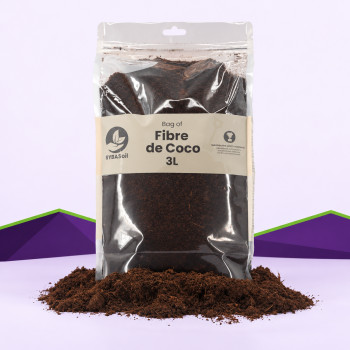
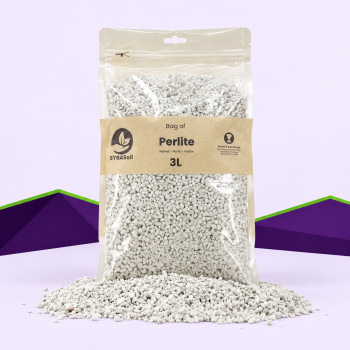
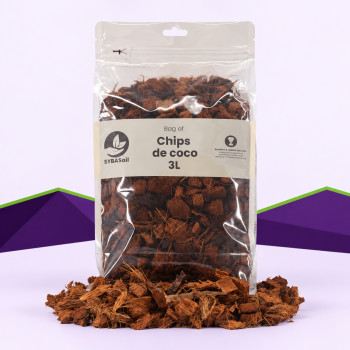
Frankly, universal potting soil from the store is fine for beginners, but when you really want to optimize your cultivation, you switch to targeted substrates. Coco fiber, for example, offers an excellent retention/drainage ratio with a neutral pH of around 6.5. It retains 8 to 10 times its weight in water while maintaining 30% air in its structure. Perlite, those small expanded white beads, improves drainage and root oxygenation – essential for preventing root rot.

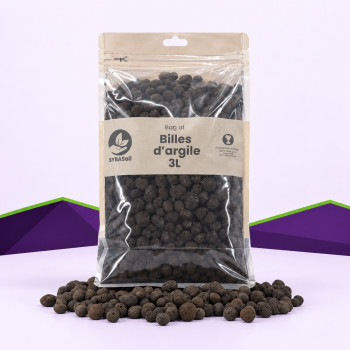
Vermiculite does the opposite: it retains moisture like a sponge, perfect for seedlings or plants that like their feet wet. Expanded clay pebbles, on the other hand, provide 100% drainage for hydroponics or as a mix in overly compact potting soil. Each substrate meets a specific need depending on your setup and varieties.

How to Choose Your Specialized Substrate

It all depends on what you're growing and your system. For hydroponics, clay pebbles or rockwool are essential. For pot cultivation, a mix of 70% coco fiber + 30% perlite yields incredible results. The substrate's pH matters a lot: coco fiber is around 6.5, while blonde peat is quite acidic, around 4.5-5.5.

Also, consider the retention capacity. Vermiculite can absorb up to 5 times its volume in water, while perlite retains almost nothing. For water-loving plants, opt for vermiculite or peat. For those that hate stagnant moisture, perlite and clay pebbles will be your allies. Granulometry also plays a role: fine for seedlings, coarser for drainage.

Frequently Asked Questions

Which substrate should I choose based on my plants (houseplants, orchids, succulents)?

For classic houseplants, a coco fiber + perlite mix (70/30) works wonders. Orchids need an ultra-draining substrate: pine bark + sphagnum moss + perlite. Succulents hate stagnant moisture, so coarse sand + perlite + a little cactus potting soil. Absolutely avoid pure peat for succulents; it will cause them to rot in 2 weeks.

What is the difference between peat, coco fiber, and perlite?

Peat retains a lot of water but acidifies the substrate (pH 4-5). Coco fiber has a neutral pH and an excellent water/air balance with a stable structure that doesn't compact. Perlite is expanded volcanic rock that improves drainage and aeration without retaining water. Basically: peat for retention, coco for balance, perlite for drainage.

How do I know if my substrate retains too much or not enough water?

If water immediately drains out the bottom of the pot, your substrate isn't retaining enough. If the soil remains soaked for more than 3-4 days after watering, it's retaining too much. The finger test 3 cm deep tells you everything: dry = time to water, moist = wait. A good substrate should be moist but not waterlogged 24 hours after watering.

Should I mix several types of substrates or use a single product?

Mixtures often yield better results than a single substrate. A classic that works everywhere: 50% potting soil + 30% coco fiber + 20% perlite. For hydroponics, 100% clay pebbles or rockwool are sufficient. The idea is to adapt the mix to your needs: more perlite if drainage is poor, more vermiculite if it dries out too quickly.

How long does a substrate remain good before losing its properties?

It depends on the type. Perlite and clay pebbles are almost eternal; you can reuse them after rinsing. Coco fiber lasts 2-3 cycles before degrading. Peat decomposes slowly, count 1-2 years max. Generally, if your substrate smells moldy, changes color, or compacts completely, it's time to replace it.

Showing 13 - 14 of 14 items
How to choose the right substrate for indoor cultivation?
   

Choosing the right substrate is crucial for indoor cultivation. I always recommend considering your plants' specific needs in terms of drainage and water retention. For most indoor plants, a balanced mix is ideal. Also, think about your preferred watering frequency: a very well-draining substrate will require more frequent watering. I've actually written an article on substrates for indoor cultivation that might shed more light on the subject.

What is the difference between potting soil and substrate?
   

That's an excellent question and a common point of confusion! In fact, potting soil is a type of substrate. The term 'substrate' is much broader and encompasses any growing medium, whether organic (potting soil, coco coir) or mineral (perlite, vermiculite, clay pebbles). Potting soil is generally a pre-formulated mix based on peat, compost, topsoil, etc., while various substrates are individual components that can be mixed to create your own custom medium.

What is the purpose of perlite in a growing substrate?
   

Perlite is one of my favorite allies! Its main role is to improve substrate drainage and aeration. These small, light, porous white beads prevent soil compaction and create essential air pockets for the roots. This significantly reduces the risk of root rot due to excess moisture. I almost systematically incorporate it into my mixes for plants that are sensitive to stagnant water.

Which substrate to choose to avoid excess moisture?
   

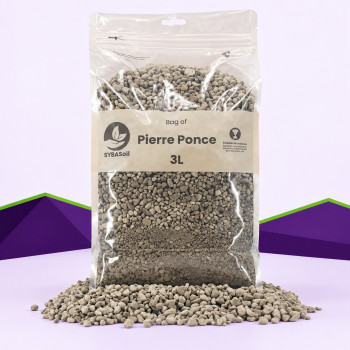
To avoid excess moisture, I advise you to favor substrates that offer excellent drainage and good aeration. Perlite is essential, but you can also add pumice, pozzolana, or expanded clay pebbles. Coco coir, while having good water retention, also offers an airy structure if it's of good quality. The idea is to create a mix that doesn't retain water for too long at the root level.

How to prepare your own substrate mix for indoor cultivation?
   

Preparing your own mix is very rewarding and allows you to perfectly adapt the substrate to your plants! I generally start with a base of coco coir or quality potting soil, then I add elements for drainage and aeration like perlite (around 20-30%), crushed clay pebbles, or vermiculite for water retention if needed. Don't forget to incorporate slow-release nutrients or use organic amendments to enrich your mix. It's a bit like a cooking recipe; you adapt the proportions!

What is the purpose of coco coir in a substrate?
   

Coco coir is an excellent component for many substrates, and I use it very often. It has an impressive ability to retain water while offering good aeration, which is a major asset. Furthermore, it's an ecological alternative to peat, as I explain in this article on ecological substrates. It is also pH neutral and stable, making it a reliable base for your mixes.
Which substrate to choose for good drainage and aeration?
   

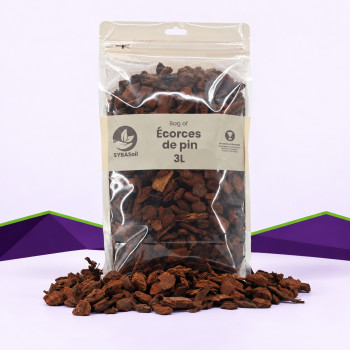
For optimal drainage and aeration, I lean towards mixes that include mineral elements. Perlite is essential, but I also recommend pozzolana, coarse horticultural sand, or expanded clay pebbles. These materials create a stable structure that prevents compaction and allows water to drain quickly, while ensuring good air circulation around the roots. This is key to avoiding root asphyxiation.

Blog navigation

Latest posts

What Wattage LED Grow Light Should a Beginner Choose?

What wattage LED grow light should a beginner pick? Real watts, W/m², PPFD and a 60x60 setup explained in the GrowLED...

Read more
VIVOSUN Grow Cam 6mm 2K QHD WiFi Grow Camera

Tired of anxiety when you're away from your grow? The VIVOSUN Grow Cam 6mm 2K QHD WiFi Grow Camera lets you keep an...

Read more
STOP à la Tourbe ! Découvrez les 4 Meilleurs Substrats Écologiques pour une Culture Indoor Explosive

Le monde du jardinage connaît une transformation silencieuse mais profonde. Face à l'urgence climatique et à la prise...

Read more