





















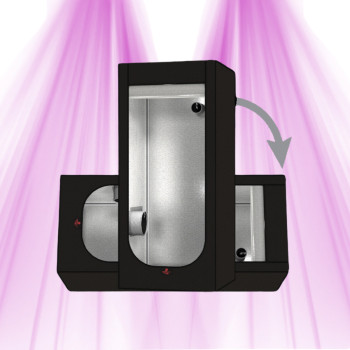













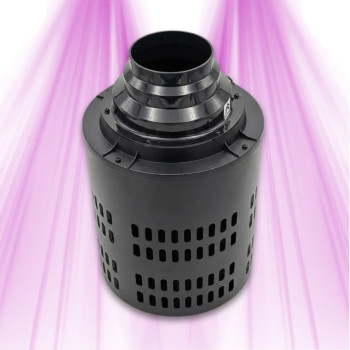
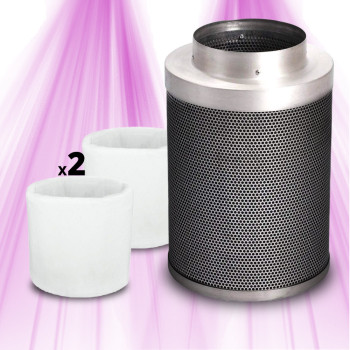
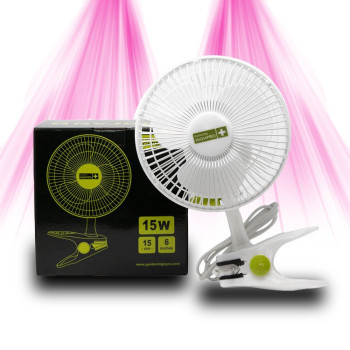

































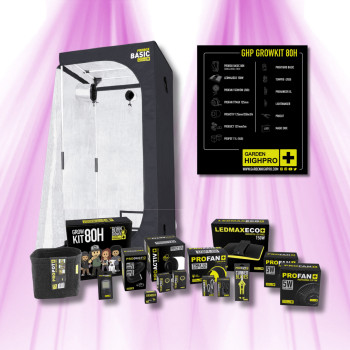


PACK - HomeBox Q 150+ -ZEUS PRO 1000W 2.9- console
Ships within 2 weeks
2 515,60 € 2 648,00 € or 3× 838,53 €

Product successfully added to your shopping cart
Ça pousse dans le bon sens

4 products
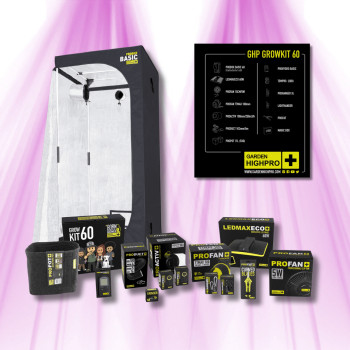
A LED lighting + 150x150cm grow tent kit is the all-in-one solution for starting indoor cultivation over 2.25m². These kits combine a quality grow tent with a horticultural LED lighting system adapted to this surface. No more searching for compatibility between components: everything is designed to work together right out of the box.
The 2.25m² surface area represents a sweet spot for many indoor growers. Large enough for significant production, but not too imposing for an apartment or basement. Modern LEDs allow you to cover this surface with controlled consumption, often between 300 and 600W depending on your plants' needs. Unlike old HPS lamps that heated like radiators, LEDs maintain stable temperatures in your 150x150cm grow tent.
The advantage of the kit is that everything is calculated. The height of the tent (generally 200cm) is designed to accommodate the LEDs at an optimal distance from the plants. Hanging systems are included, and cables are the correct length. Frankly, it avoids the unpleasant surprises of amateur DIY where you end up with LEDs that are too powerful or poorly positioned.
In terms of light spectrum, current horticultural LEDs cover the entire photoperiod. From blue for vegetative growth to deep red for flowering, including intermediate wavelengths. PPFD (photosynthetic photon flux density) easily reaches 800-1200 µmol/m²/s at canopy level, more than sufficient for demanding plants.
First criterion: LED power. For 2.25m², count on a minimum of 30W per m² for quality LEDs, or 270W. But for truly satisfactory results, aim for 40-50W per m², so 360-450W. Samsung LM301B or LM301H LEDs have become the benchmark, with an energy efficiency of 2.7-3.0 µmol/J.
The tent itself must be robust. Mylar fabric reflecting at 95%, steel tube structure of at least 16mm, YKK zippers that won't fail after six months. Ventilation openings are crucial: plan for at least two 150mm ducts to ensure proper air circulation in your 2.25m².
Regarding height, 200cm is the standard. This leaves 40-60cm between the LEDs and the top of the plants, plus space for pots and the root system. If you grow varieties that stretch a lot, check that the kit includes dimmable LEDs to adjust intensity according to distance.
Don't forget ventilation in your calculation. A 150x150x200cm tent has a volume of 4.5m³. This air volume needs to be renewed 20-30 times per hour, requiring an extractor of at least 90-135 m³/h. Some kits already include ventilation, while others focus on lighting and structure.
The optimal distance varies depending on the LED power and the stage of development. During growth, keep 60-80cm between the LEDs and young plants to avoid light stress. During flowering, you can go down to 40-50cm with 400W LEDs, or 30-40cm with less powerful models. The trick: observe the top leaves. If they curl or yellow, you are too close. A lux meter can help: aim for 300-600 PPFD during growth, 600-1200 PPFD during flowering.
Absolutely, provided you choose a kit with quality full-spectrum LEDs. Demanding plants need high PPFD (800-1200 µmol/m²/s) and a complete spectrum including UV-A and near-infrared. Modern Samsung or Osram LEDs achieve these performances without problems over 2.25m². The key is uniform light distribution: prefer several medium LED panels rather than a single large one in the center. Your plants at the periphery of the tent will thank you.
For effective coverage of 2.25m², count on between 360 and 540W of latest-generation LEDs. This represents 40-60W per m², more than enough for professional results. Samsung LM301H LEDs achieve 3.0 µmol/J efficiency, so 450W gives you 1350 µmol/s to distribute over your surface. With good wall reflectivity (95% Mylar), you easily get an average of 600 PPFD, with peaks at 900-1000 PPFD under the panels. This is perfect for most demanding indoor cultivations.
Installing a 150x150cm grow tent generally takes 1-2 hours for two people. Start by assembling the metal structure on the ground, then raise it and attach the reinforcement bars. Thread the fabric, starting from the top, then the sides. For the LEDs, use the provided straps or yo-yos to hang them from the horizontal bars. Electrical connection: most horticultural LEDs plug directly into 220V with an integrated driver. Just plan for a power strip with 30mA differential protection for safety.
Regular maintenance significantly extends the lifespan of your setup. For LEDs, dust the panels every 2-3 months with a slightly damp microfiber cloth (LEDs off and cooled). Dust reduces light efficiency by 10-15%. For the tent, clean the Mylar walls with mild soapy water to maintain reflectivity. Check the zippers and lubricate them if necessary. With good maintenance, your LEDs will retain 90% of their power after 50,000 hours, and your tent will easily last 5-10 years of intensive use.
Help & advice
About 150cm x 150cm - 2.25m — click a question to see the answer.
I highly recommend kits for their simplicity and efficiency. In fact, everything is already designed to work together: the power of the LED lighting is perfectly suited to the 2.25m² tent surface. This saves you the headache of checking compatibilities and ensures an optimal setup from the start. It's a turnkey solution, ideal for getting started with indoor growing with peace of mind.
For a 2.25m² surface, I generally recommend an actual LED power of about 600 to 800 watts. This allows for sufficient and homogeneous PAR (Photosynthetic Active Radiation) across the entire surface for optimal growth and flowering. Less, and you risk insufficient light; much more, and you could waste energy without significant gain, or even stress your plants.
Installation is usually quite simple. I always start by assembling the tent, then I install the LED lighting system by suspending it from the designated bars. It is crucial to ensure that the lamp is well-centered and at the correct height relative to the plant canopy. Don't forget to manage the cables properly to prevent them from obstructing air circulation or coming into contact with the plants.
The ideal distance varies depending on the power of your LED and the growth stage of your plants. Generally, I start with a distance of about 60-80 cm for seedlings and young shoots, then gradually reduce it to 40-60 cm during growth and 30-50 cm during flowering. Always observe your plants: if the leaves yellow or curl upwards, the light is too intense; if they stretch, it is too weak. You can learn more about different types of lighting in this buying guide.
What I often see is poor management of the lamp/plant distance, as I mentioned. Another mistake is neglecting ventilation. Even though LEDs generate less heat than HPS, good air circulation is essential for plant health and residual heat dissipation. Finally, never underestimate the importance of the light spectrum; an unsuitable spectrum can compromise your yields.
For 2.25m², the difference is notable. Horticultural LEDs are more energy-efficient, generate less heat (simplifying climate management), and offer a more precise and adjustable light spectrum, which is ideal for optimizing each plant phase. HPS, although powerful, consume more, generate more heat, and their spectrum is less modulable. If I had to choose today, I would clearly lean towards LED for its efficiency and flexibility.
Cannot find your answer? 01 88 33 45 52 or by message.


