


































































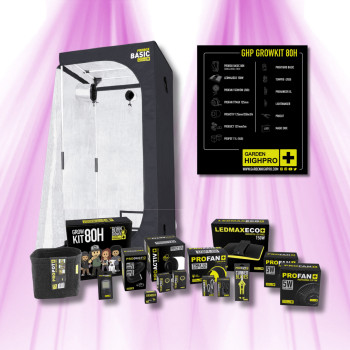

Ready to get started with growing autoflowering plants under LED but looking for tips to start off right? This article guides you step by step through choosing the ideal light cycle (18/6, 20/4, or 24 hours of light) and selecting a full-spectrum LED lamp. With these tips, you'll avoid common pitfalls and get a satisfying harvest from your very first attempts.
What Is the Optimal Light Cycle for Autoflowering Under LED
Although autoflowering plants don't need a specific photoperiod to flower, the light cycle directly affects their vigor, yield, and your electricity bill. Precisely dialing in your LED lighting guarantees healthy plants, dense buds, and controlled power consumption.
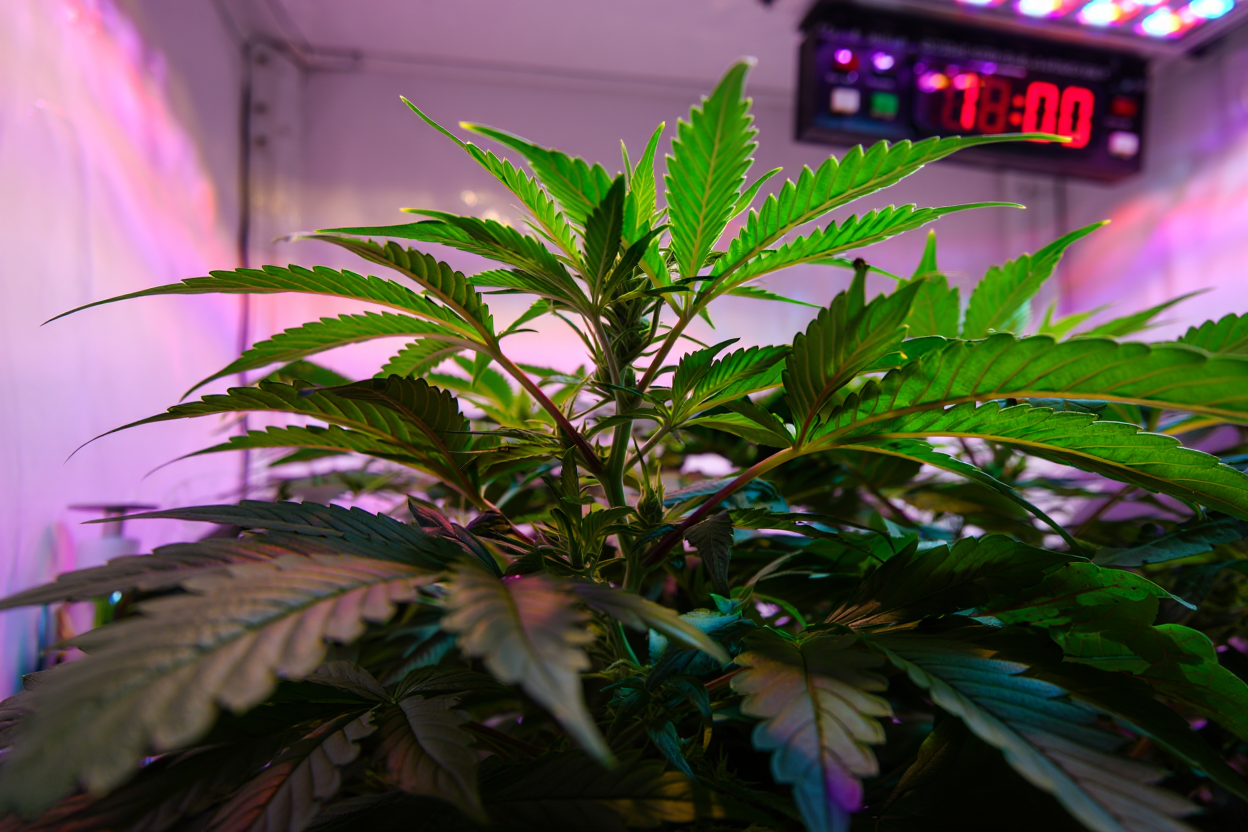
Comparing 18/6, 20/4, and 24/0 Cycles for Autoflowering
The 18/6 cycle (18h of light, 6h of darkness) is the ideal choice for most autoflowering varieties. It provides fast growth, allows natural nighttime cooling, and supports good root development, while limiting power consumption.
With a 20/4 cycle, photosynthesis intensifies and can increase yield by 10 to 15%. However, be careful to properly control the temperature, as the increased light intensity generates more heat.
- 18/6 : the perfect compromise between growth, thermal management, and costs
- 20/4 : maximum photosynthesis and better yields, but requires rigorous climate management
- 24/0 : possible with low intensity, but risks disrupting the plant's metabolism
The 24-hour light cycle can temporarily boost growth, but it disrupts the production of essential resins. If you try it, lower the intensity and plan for a period of darkness soon after to preserve aromatic quality.
Importance of 4 Hours of Darkness for Resin Production
At least 4 hours of complete darkness lets the plant breathe, convert sugars, and activate the processes that stimulate resin production. This nightly pause improves flower density and strengthens their aroma.
This rest period also promotes the production of substances that increase trichomes toward the end of flowering. That's why 18/6 or 20/4 cycles generally give higher-quality harvests than 24/0.
Adapting the Cycle Based on Genetics and DLI
Each variety reacts differently: some prefer 20/4, while other more sensitive autoflowering varieties thrive better with an 18/6 cycle. Adapting the rhythm to your plant maximizes its potential.
To calculate the optimal amount of light (DLI), use this formula: PPFD × hours of light × 0.0036. Aim for a DLI between 30 and 50 mol·m⁻²·day⁻¹. Below that, growth slows down; above it, you risk stressing your plants.
Be careful with a 24/0 cycle: maintaining an ideal temperature (22-26°C) becomes difficult. In that case, a good exhaust system is essential. 18/6 or 20/4 cycles allow better climate control and reduced consumption.
Once your light cycle is set, choosing the perfect LED lamp becomes the key to optimizing your indoor growing and maximizing your yields. To spare yourself months of costly trial and error due to the wrong spectrum or insufficient wattage, check out our complete LED guide comparing the best models on the market.
Choosing the Ideal LED Lamp for Autoflowering
Choosing the right grow light is like choosing the heart of a sports car: actual wattage, full spectrum, and control over intensity directly determine the quality of your harvest. Modern LED lighting outperforms old HPS thanks to its energy efficiency, low heat output, and precision, boosting the growth and flowering of autoflowering varieties.
Wattage and Full Spectrum: Essential Criteria for LED
For 1 m², aim for 200-300 real watts with a high-performance 600W cannaweed LED to reach up to 1.5 g/W. Focus on PPFD values: a flux of 600-900 µmol·m⁻²·s⁻¹ during the flowering phase guarantees dense, resinous buds, meaning excellent yield.
Distance and PPFD Intensity by Growth Phase
Start with a distance of 45 cm between the lamp and the plants during vegetative growth, then reduce to 30 cm during flowering to increase intensity without risk of burning. This technique maintains an optimal PPFD: 400-600 µmol·m⁻²·s⁻¹ during vegetative growth and 600-900 µmol·m⁻²·s⁻¹ during flowering, ideal for growing autoflowering plants under cannaweed LED.
Use the dimmer to adjust intensity: start at 50%, move to 75% mid-vegetative growth, and push to 100% during flowering. A lux meter or spectroradiometer lets you check the values, while mylar lining improves the diffusion of LED light for maximum yield.
Recommended Models: Quantum Board, Rhino, and Spider PRO
Quantum Boards and high-density strips with Samsung LM301H diodes offer a uniform light spectrum with no hot spots, perfect for 1 to 2 m². The Rhino and Spider PRO ranges offer an adjustable spectrum that adapts to each cycle, ensuring explosive flowering and a quality harvest.
- Quantum Board (Samsung LM301H) : efficacy ≥2.7 µmol/J, very little heat, perfect coverage for any grow.
- Rhino Series : independent blue/red adjustment to optimize each phase.
- Spider PRO : optional UV modules that boost terpenes and resin at the end of flowering.
- HLG 100W RSPEC : full-spectrum LED reproducing natural light, ideal for small grows of autoflowering plants.
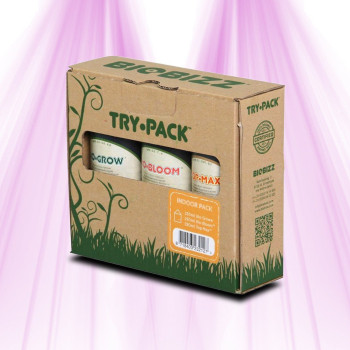
Favor a full spectrum of 380-730 nm including blue and red to cover the whole cycle. Add 2% UV-A in the final week to intensify resin and aromas. Also check out our special autoflowering fertilizer pack: combined with good LED lighting, it guarantees a generous, flavorful harvest.
With your cycle and LED lighting perfectly dialed in, it's time for nutrition and environment, two key elements for the health of your autoflowering plants and the quality of your harvest. By precisely adjusting nutrition week after week and maintaining optimal climate conditions, you'll create a high-performing ecosystem geared toward producing exceptional flowers. Discover the perfect nutritional solution for plants under LED, able to precisely meet their needs at every stage.
Nutrition and Environmental Management in LED Growing
Autoflowering varieties grown under LED require a specific nutritional approach, since their complete cycle lasts only 8 to 12 weeks. Provide a balanced supply of macro- and micronutrients from the start, carefully monitor substrate moisture to avoid overwatering (harmful to rooting), and you'll maximize the genetic potential of your autoflowering seeds to get dense, resinous, flavorful flowers.
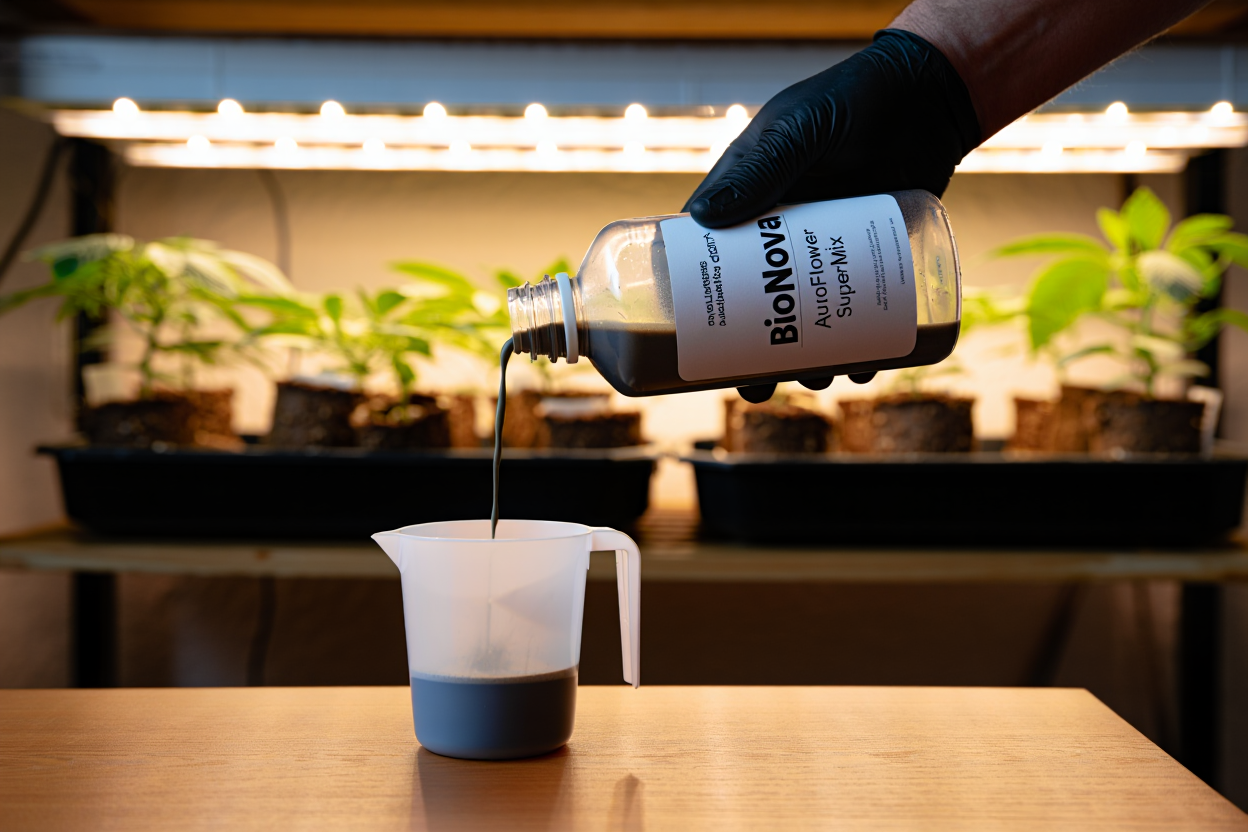
Week-by-Week AutoFlower Fertilization Program
From the first week, use SuperMix AutoFlower (NPK 5-2-5) at a rate of 20-40 ml per 10 L of water: this base covers essential needs while stimulating growth hormones and the root system. Supplement with BN Roots (250 ml weekly for the first month) to optimize substrate oxygenation - crucial given the high light intensity of LEDs. Log every adjustment in your LED grow journal to precisely fine-tune dosages based on your plants' reactions.
- Weeks 1-4 (vegetative growth) : SuperMix 20-40 ml/10L + BN Roots 250 ml/week + BN ZYM at every watering to improve water retention and substrate aeration.
- Weeks 5-8 (flowering) : SuperMix 40 ml/10L + BN P-K 13-14 (2-10 ml/10L) from the 2nd week of flowering to support flower formation under the red spectrum.
- Weeks 9-12 (maturation) : The Missing Link 200 ml/100L every week to fill trace element deficits and maximize the use of the full light spectrum.
BN ZYM, used systematically, improves substrate structure and reduces water stress, particularly useful when the canopy is exposed to LED heat. BN P-K 13-14 densifies and weighs down the flowers thanks to its targeted phosphorus and potassium supply, while The Missing Link corrects deficiencies for full use of your LED lighting.
The complete Bionova pack combines balanced fertilizer, an algae-based root stimulator, biocatalyst, P-K concentrate, and trace elements; this system speeds up flowering and secures yield. Carefully follow this week-by-week autoflowering guide, check that the top 2-3 cm of substrate dries out between waterings, and thereby avoid any excess moisture - a heightened risk under LEDs, which generate little heat.
Controlling Humidity and Temperature Under LED
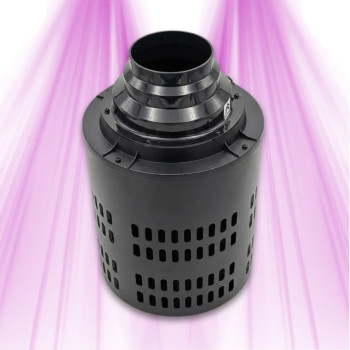
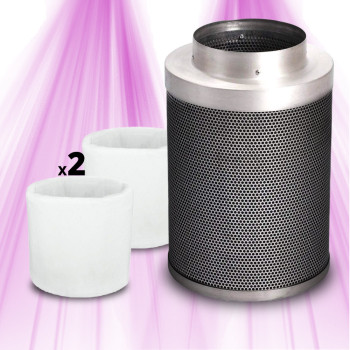
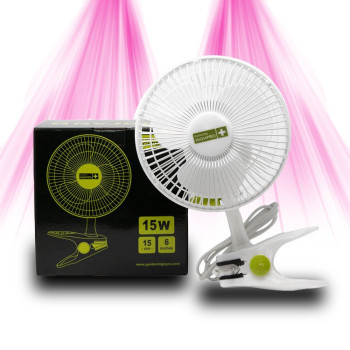
Maintain humidity between 45-55% during vegetative growth and 40-45% at the end of flowering, since the high light intensity raises leaf temperature and reduces ambient humidity. Install an exhaust fan in a high position with a carbon filter to remove heat and odors, and point a fan toward the lamp to even out temperature and CO₂ distribution.
Aim for a constant temperature of 22-26°C; adjust the airflow (0.5-1 m³/min/m²) based on your setup's wattage. In an 18-20h cycle, nighttime cooling makes thermal regulation easier; in a 24h cycle, plan for a more powerful exhaust fan and rigorously control humidity. Ventilation synchronized with the lighting eliminates sudden swings, reduces plant stress, and guarantees optimal yield.
Advantages, Disadvantages, and Mistakes to Avoid with Autoflowering Under LED
You now know the basics of the cycle, nutrition, and lamp selection: let's look together at the advantages, constraints, and pitfalls to avoid with autoflowering plants grown under LED lighting. An indoor setup equipped with LED allows optimal control, but a single moment of neglect can ruin the whole harvest. We'll explain how to avoid mistakes to save time, money, and your sanity.
The 8 Common Mistakes in Growing Autoflowering Plants Under LED
First mistake: overwatering. Since LEDs produce little heat, always check the soil before watering - the top 3 cm should be dry, whether for growing vegetables under LED or anything else. Otherwise, you risk root suffocation and sluggish growth. Another pitfall: confusing displayed wattage with actual performance. An efficient 100W LED (2.7 µmol/J) always outperforms a poorly designed 200W bulb.
- Using a 12/12 cycle : pointless for autoflowering plants, which don't depend on it, and it will cost you yield.
- Wrong distance : keep 30-45 cm between the lamp and the plants to avoid burns or excessive stretching under LED.
- Fluctuating environment : maintain 22-26°C and 50-60% humidity, or risk stress, less resin, and disrupted flowering.
A DLI exceeding 50 mol·m⁻²·day⁻¹ causes bud bleaching; in that case, reduce the intensity or increase the darkness period to get back to 30-50 mol. Be wary of low-cost brands advertising imaginary 600W ratings; favor recognized manufacturers to guarantee your yield. Finally, good air extraction and a fan help even out CO₂ and temperature for an optimal harvest.
Advantages of LEDs for Autoflowering: Efficiency and Control
New LEDs reach 2.7 µmol/J; they cut your bill by 40% while delivering a perfect full spectrum. Their low heat output makes thermal management easier and lets you bring the light source closer, boosting intensity without causing stretching under LED. Models with a built-in dimmer give you the best light cycle by adjusting wattage at each growth phase.
High-end models offer a customizable spectrum: more blue during vegetative growth for compact plants, then more red during flowering to densify the buds. Optional UV modules strengthen terpenes and resin, while a 50,000-hour lifespan ensures a quick ROI. With the right lighting, growing becomes child's play.
Disadvantages and Limits of LED Lighting Indoors
The initial investment remains substantial, but energy savings quickly make up for it. Setting up PPFD, dimmer, and ventilation takes a bit of a learning curve, but after that everything runs smoothly. The fanciful spec sheets of some low-end lamps create doubt; buy from a specialist to get around these drawbacks.
Light penetration remains lower than with an HPS; so use growing techniques like SCROG, limit yourself to 2-3 plants/m², and keep the canopy 20 cm from the net. Add a >95% Mylar reflector to even out the daily light. With these settings, the advantages far outweigh the limits, and you optimize your harvest.
| Criterion | LED | HPS |
| Energy efficiency | ≥ 2.7 µmol/J (excellent) | ~ 1.5 µmol/J (average) |
| Heat output | Low, easy to manage | High, cooling required |
| Spectrum | Full 380-730 nm, adjustable | Yellow-orange peak, little blue |
| Initial cost | High (€200-500) | Low (€50-150) |
| Lifespan | 50,000 h | 10,000 h |
| Best light cycle for autos | 18/6 or 20/4 | 18/6 (excessive heat at 20/4) |