

















































































Want to understand how plants make their own food? This article gives you a simple explanation of photosynthesis at Year 6 level, perfect for kids and for parents curious to learn more about this mechanism that's essential to life. Let's discover together the key ingredients, how light turns into energy, and why it matters so much to us.
What is photosynthesis, explained for kids
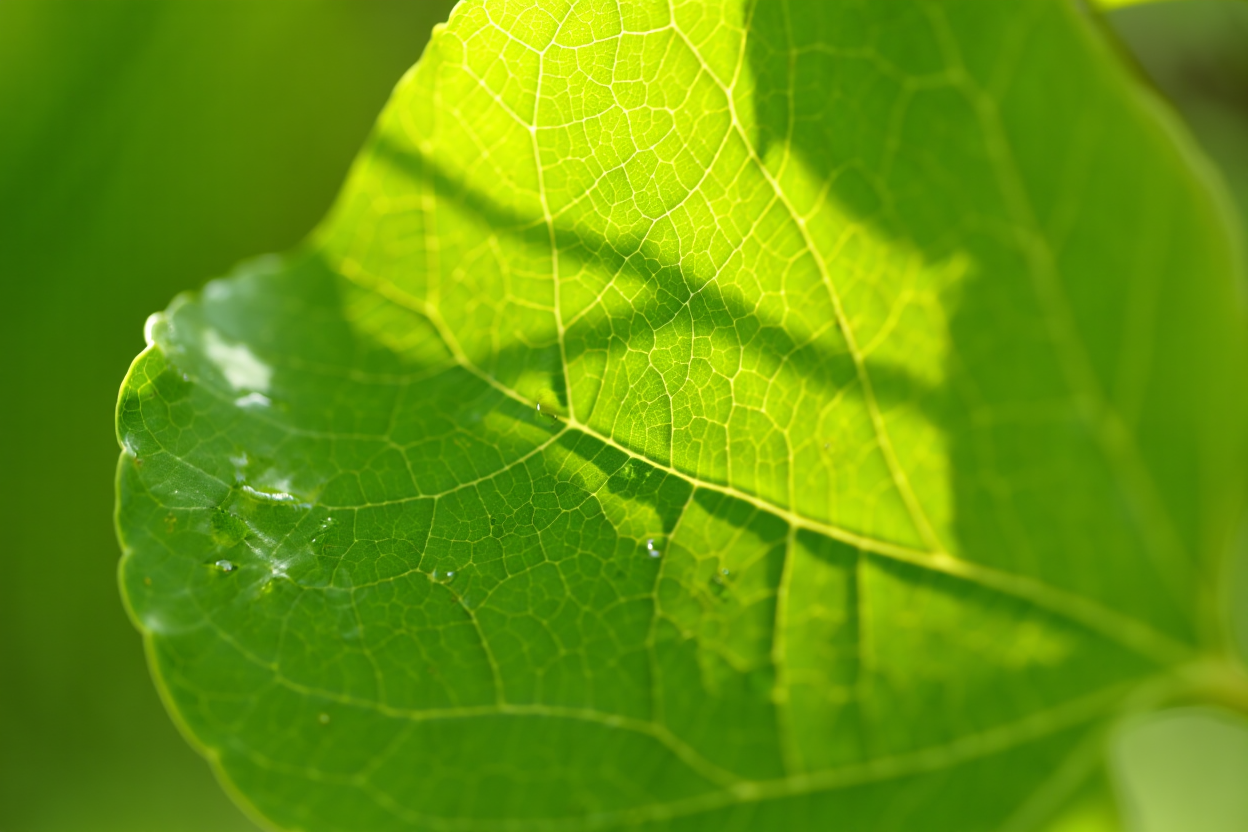
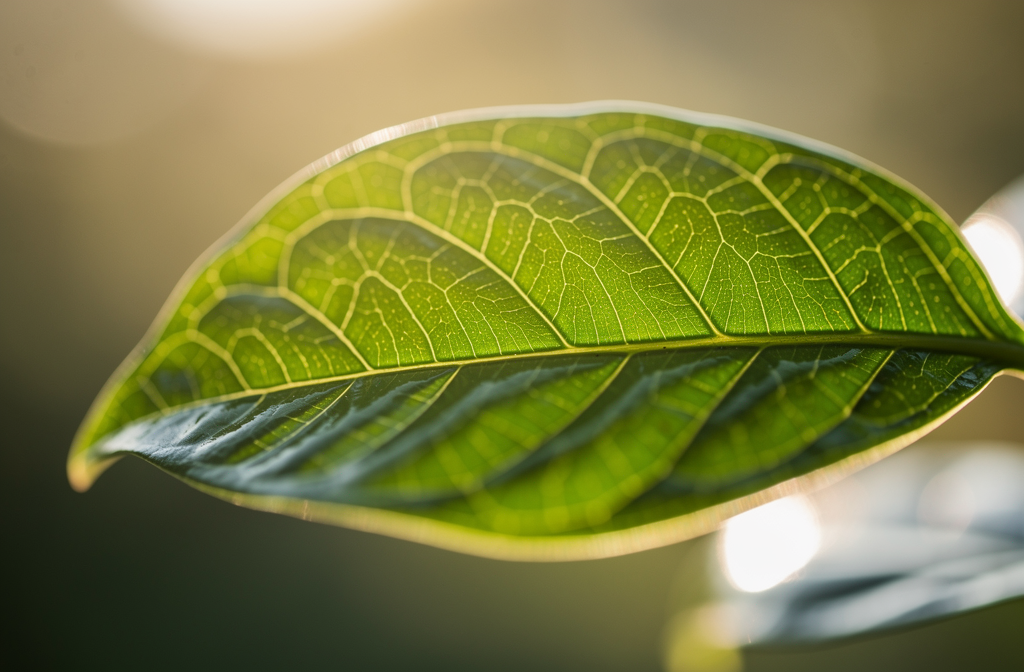
Picture a tiny magic factory hidden inside every green leaf. That's where the plant uses sunlight to make its own food. This vital process turns the sun's rays into nutrients that let it grow. Without this, the plant world couldn't survive, and we'd run out of clean air.

The four key ingredients of photosynthesis
To carry out photosynthesis at Year 6 level, a plant needs four elements working together. If just one of them is missing, the whole reaction stops. Like in a recipe, every ingredient is essential for the plant to grow properly.
- Water: it's absorbed by the roots in the soil and travels up to the leaves through the sap. This liquid also carries the minerals needed for healthy growth.
- CO2 (carbon dioxide): it's absorbed through tiny holes on the leaves called stomata. This is how the plant captures the carbon dioxide gas in the air around it during the day.
- Sunlight: it provides the light energy essential to the process. The sun's rays hit the leaves and trigger the chemical reactions.
- A moderate temperature: a temperature between 18 and 25°C is ideal for the reactions to happen quickly. Too cold, and everything slows down; too hot, and it can damage the plant.
When all these elements come together in the leaf, the magic happens! The plant then produces glucose to feed itself and releases oxygen into the air. Without this perfect combination, photosynthesis can't take place.
How plants make their food using light
You can compare a leaf to a tiny factory. The definition of photosynthesis taught at Year 7 level explains how plants use light to create organic matter. To help you understand, here's the chemical equation scientists use:
| Reactants (ingredients) | Products obtained |
| 6 CO₂ + 6 H₂O + light | C₆H₁₂O₆ (glucose) + 6 O₂ (oxygen) |
| Carbon dioxide + water + light energy | Sugar (food) + oxygen |
This equation sums up the mechanism perfectly. By combining carbon dioxide, water, and solar energy, the plant makes sugar and releases oxygen. The glucose produced lets it grow and bear fruit, all while purifying the air we breathe.
This phenomenon happens in two main stages: the light-dependent phase and the dark phase (the Calvin cycle). During the light-dependent phase, chlorophyll captures light to produce energy and split water. Then, the Calvin cycle uses this energy to fix carbon and produce glucose. All of this takes place inside the chloroplasts, tiny factories within the cells.
Easy experiments to observe photosynthesis in class
Want to see photosynthesis in action? Here are a few simple experiments you can do in class or at home, with no complicated equipment. These tests let you observe different parts of this fascinating mechanism.
- Comparing light and darkness: place one plant in the sun and an identical one in a cupboard with no light. The one in the light will stay healthy, while the other will wither.
- Visualizing oxygen: put an aquatic plant, such as pondweed, in a clear jar under a lamp. You'll soon see small bubbles escaping, a sign that the plant is producing oxygen.
- The candle test: place a lit candle under a glass bell jar with a well-lit plant. The flame will keep burning thanks to the oxygen produced, but it will go out if the light decreases.
- The dark cover experiment: cover part of a leaf with opaque paper for a few days. When you remove the cover, the part deprived of light will have turned yellow, proof that chlorophyll production has stopped.
For these tests, all you need is some pots, water, and a few containers. To really revise the topic, run these experiments and note down what you observe each day. You'll soon know everything about green plants! To go further, discover how to maximize photosynthesis with specialized UVA/UVB/IR LEDs, which perfectly mimic sunlight.
Why photosynthesis is vital for our planet
Without this mechanism, Earth would be a lifeless desert. Every breath you take is possible thanks to the work of plants. Forests and oceans capture carbon dioxide and turn it into plant organic matter. Without these green plants, the atmosphere would become unbreathable.
Photosynthesis also feeds almost all life on Earth. Plants are the base of the food chain and support, directly or indirectly, every animal. This conversion of solar energy into chemical energy is essential to every living being. Protecting plants and oceans therefore means protecting our own survival.