



































































Looking for the right distance to position your 600W HPS sodium grow light above your crops? This is a key question for avoiding leaf burn, controlling temperature, and optimizing photosynthesis. In this complete guide, I'll explain the optimal distances for each stage (vegetative growth and flowering), how to properly use a magnetic or electronic 600W ballast, and the key settings for your indoor grow space. Follow the step-by-step guide for top results
What Distance Between a 600W HPS Grow Light and the Plant
The gap between your 600W HPS bulb and the canopy directly affects the light intensity and the heat your plants feel. Too close = risk of burns and stress. Too far = loss of light efficiency that can reduce your harvest by 15 to 25%. The recommended distance is the secret to powerful growth and abundant flowering
Recommended Distance for the Vegetative Growth Phase
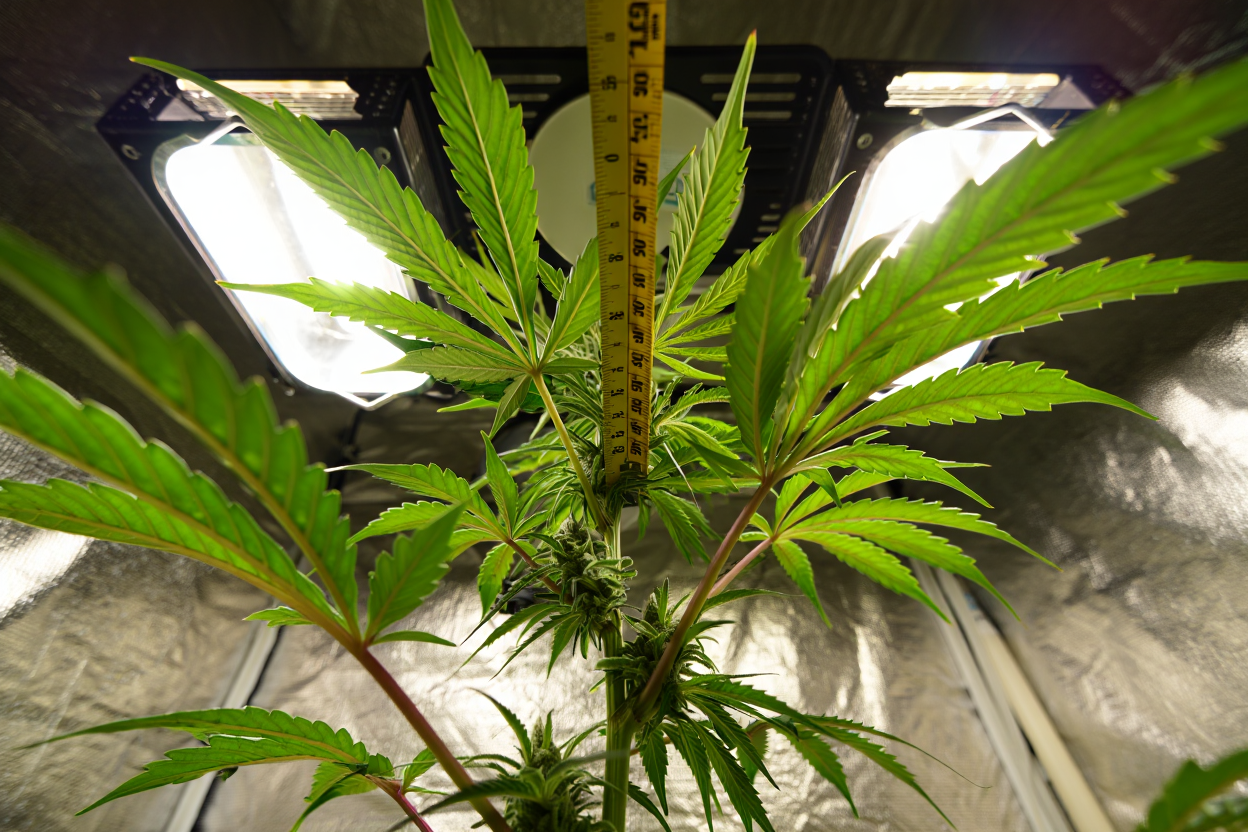
During the vegetative phase, the 250W HPS vegetative growth distance serves as a reference, but with your 600W HPS, always keep at least 40 cm above the young shoots. The ideal range is between 40 and 60 cm - enough lumens without excess heat. In a small space (60×60 cm), 70 cm ensures even distribution across the whole area
- Vital minimum : Never below 40 cm (even for seedlings) to avoid any stress
- Optimal zone : 45-60 cm (500-800 µmol/m²/s) = perfect for vegetative growth
- Small spaces : 70 cm in smaller tents for even coverage
- Monitoring : If the temperature at leaf level exceeds 26°C, raise the lamp by 5 cm
With this optimal distance, your plants fully benefit from the lumens for vegetative growth without suffering from heat. Sturdy stems and dense foliage are signs of successful vegetative growth
Tip: Broad-leaved varieties (like Skunk) tolerate 45 cm, while thinner sativas prefer 55-60 cm. Watch your plants closely to fine-tune the ideal distance!
PPFD and Lumens Needed by Growing Phase
A 600W HPS sodium bulb produces between 88,000 and 105,000 lumens, ideal for covering 1 m² at the right distance. The target PPFD varies by phase: 500-800 during vegetative growth, 800-1200 during flowering to maximize yield
Positioned at 60-90 cm in early flowering, the lamp delivers 600-800 µmol/m²/s, maintaining an ideal canopy temperature (22-28°C). Perfect for developing compact buds! A PAR meter can help you check the efficiency of your indoor lighting
| Growing Phase | Target PPFD (µmol/m²/s) | Recommended Distance | Estimated Lumens |
| Germination/Seedling | 200-400 | 70-100 cm | 30,000-45,000 |
| Vegetative growth | 500-800 | 40-60 cm | 65,000-88,000 |
| Early flowering | 600-900 | 60-90 cm | 75,000-95,000 |
| Late flowering | 800-1200 | 40-50 cm | 88,000-105,000 |
Impact of the Inverse Square Law on Illumination
This law explains that doubling the lamp-to-plant distance causes light intensity to drop by 75%! Example: at 100 cm instead of 50 cm, your plants receive 4 times less light
During flowering, exceeding 100 cm causes plants to stretch and can cost 15-25% of yield. For large spaces (>1 m²), it's better to use two 300W HPS lamps than a single 600W placed too far away - this keeps your lighting uniform and efficiency maximal
Thermal Management for Your 600W HPS Bulb
When using a 600W HPS sodium bulb for indoor lighting, the heat given off is the main challenge to manage. Without proper management, leaf temperature can quickly exceed 30°C, causing burns and disrupting photosynthesis. Effectively controlling these parameters turns your grow space into an optimal environment for your plants.
Optimal Leaf Temperature and Necessary Adjustments
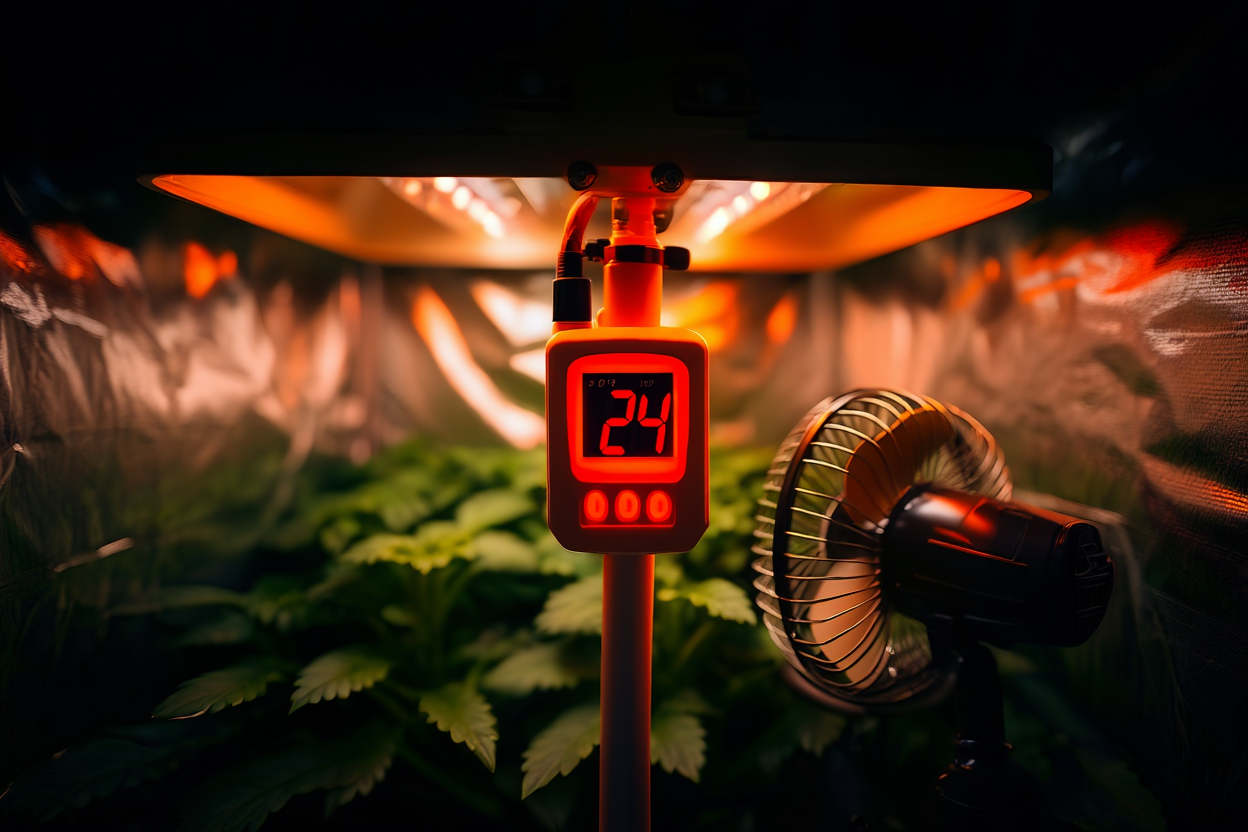
For ideal growth, keep leaf temperature between 22°C and 26°C. If the heat exceeds 30°C at the canopy level, immediately move your HPS lamps 5 to 10 cm farther away - this precaution also applies to other lamp types like 300W CFLs.
- Constant monitoring : install a thermometer near the foliage to monitor the heat given off
- Gradual adjustments : change the height in small steps and observe how the plants react
- Full monitoring : check temperatures at the center and edges of your grow space
- Seasonal adaptation : in summer, slightly increase the lamp-to-plant distance
In cold weather (cycles under 18h), you can move your 600W HPS bulb slightly closer to take advantage of its heat output. This benefit makes HPS lamps an ideal choice for winter.
Ventilation System to Remove Heat
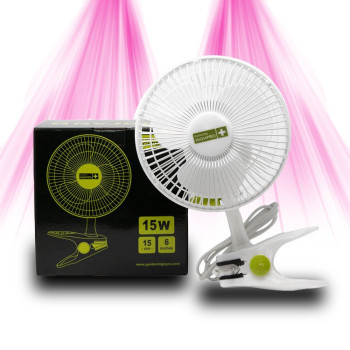
An effective ventilation system is essential with a 600W HPS sodium lamp. Good airflow allows you to position the lamp at about 55 cm while avoiding overheating. A well-adjusted oscillating fan ensures even heat distribution across the canopy.
- High-performance exhaust fan : choose a model suited to the size of your space
- Air circulation : position fans for a gentle airflow over the plants
- Optimized reflector : a system connected to the exhaust helps better control the temperature
Without a cooled reflector system, keep a distance of 60 to 70 cm to limit heat buildup. A properly sized exhaust setup can lower the ambient temperature by 3 to 5°C.
Effects of Excessive Temperature on Plants
Positioned too close (under 40 cm), HPS lamps cause visible burns: browned leaf edges, discoloration, and reduced photosynthesis. The plant then spends its energy surviving rather than growing. I've seen yield drops of up to 30% with a 600W HPS sodium bulb placed at just 35 cm.
Excessive heat also warms the substrate above 28°C, encouraging the appearance of pathogens. If you notice pale leaves or yellowing of the top growth despite good nutrient supply, move your lamp 5 to 10 cm farther away.
Influence of Reflectors and Ballasts on Distance
Equipment choices - such as the reflector and the magnetic or electronic 600W ballast - directly affect the distance between the lamp and your plants. These elements affect heat output and light distribution, letting you optimize efficiency while protecting your crops. When properly set up, your equipment prevents burns while ensuring uniform coverage across your entire grow area.
Cooled Reflectors and Their Impact on Proximity
Reflectors like the cool-tube or Xtra-Cool lower the HPS sodium bulb's temperature by 4 to 5°C, allowing the recommended distance to be cut in half. This means you can go from 60 to 30 cm without any danger to your canopy. The exhaust fan removes heat directly, limiting temperature spikes.
- Standard Cool-Tube : its glass housing lets you place the 600W HPS bulb at just 30-35 cm during flowering with good ventilation.
- Xtra-Cool : its parabolic design offers better light distribution while effectively controlling heat.
- Reflector integrated with the exhaust fan : it removes heat before it reaches your plants' foliage.
- Space saving : essential for tents under 180 cm, it frees up valuable height for vegetative growth.
Note: smooth-surface reflectors strongly concentrate light at the center. In this case, increase the optimal distance by 5 to 10 cm to avoid hot spots while ensuring even coverage.
Choosing the Ballast to Optimize Safe Distance
A dimmable electronic ballast generates less heat than a magnetic model. Its gradual adjustment lets you adapt the power: in early flowering, 80% power allows you to move 5-10 cm closer while maintaining good lighting. Gradually increase to 100% to support flowering without heat shock.
With a more traditional magnetic 600W ballast, plan for an extra safety margin: add 5-15 cm to the usual distances. Allow 45-55 cm during vegetative growth and 65-90 cm during flowering to avoid any risk of burns while keeping all the light efficiency of your HPS sodium bulb.
LED Alternatives to Replace Your 600W HPS Bulb
Modern LED technologies offer better energy efficiency while considerably reducing heat output. The Black Series 400W rivals the performance of a 600W HPS while needing only 30 cm of distance thanks to its excellent heat dissipation.
The SpectraWILD M420 with its Samsung LEDs offers a full spectrum for every growth phase, ideally placed between 30-40 cm during flowering.
- Energy savings : up to 50% reduction in consumption compared to traditional HPS lamps.
- Simplified thermal management : less heat means less ventilation and safely reduced distances.
- Optimized spectrum : an efficacy of 2.8 µmol/J versus 1.7 for a standard 600W HPS sodium bulb.
- Compatibility : some LED solutions fit directly onto your existing 600W ballasts.
The Dream Catcher 720W installs directly onto your existing HPS ballast. Even at reduced power (600W), it offers superior performance with less heat than a standard 600W HPS bulb. For a 120×120 cm area, maintain a distance of 40-60 cm to maximize your canopy's development.