






































































Have you ever imagined that we could create eco-friendly fuels simply by combining carbon dioxide and water under the effect of light? Artificial photosynthesis borrows the mechanisms of natural photosynthesis to revolutionize energy storage. In this article, we explain how photons generate electrical charges, how catalysts turn these elements into carbon-based molecules, and how optimized LED lighting boosts the yield of these innovative systems to produce the fuels of the future.
How it works and key principles
The principle behind artificial photosynthesis? Using sunlight to convert carbon dioxide and water into fuels through a three-step process: 1) absorption of photons by a photosensitive material, 2) separation of electrical charges, then 3) chemical reduction yielding either hydrocarbons or highly energetic hydrogen. This ingenious system, based on ultra-efficient photocatalysts, offers a dual solution: turning the CO2 present in the air into fuels while storing renewable energy in an optimal way.

From light to fuel
While natural photosynthesis uses protein complexes (PSII and PSI) to capture light, oxidize water and produce sugars, its artificial counterpart uses innovative devices: semiconductor photocatalysts, photosensitive molecules and highly efficient metal catalysts. These elements work together to reproduce the electron transfer needed to produce solar fuels with excellent energy efficiency.
- Absorption and charge creation: a material such as doped TiO2 or a perovskite absorbs photons, generates electron-hole pairs, then rapidly separates them toward specific zones to maximize efficiency.
- Oxygen production: the positive charges (holes) reach the anode, where co-catalysts (cobalt- or ruthenium-based) initiate the complex reaction that splits water into oxygen, protons and electrons.
- CO2 conversion: the electrons reach the cathode, equipped with metal catalysts (copper, nickel...) that convert carbon dioxide into carbon monoxide, formic acid, methanol or even methane depending on the process chosen.
This Z-scheme mechanism reproduces the natural cycle: a light phase to activate the reactions, a "dark" phase to synthesize hydrocarbons. A major innovation that captures atmospheric CO2 and stores solar energy in the form of practical fuels at the same time.
Role of catalysts and selectivity
Catalysts play a key role: they facilitate reactions, speed up processes and steer production toward a given fuel. For example, certain cobalt catalysts deposited on carbon nanotubes convert carbon dioxide into CO with more than 90% efficiency, and do so over thousands of cycles without any loss of performance. Selectivity depends on multiple factors: the type of metal used, the nanoscale structure, the surrounding conditions... All parameters that make it possible to precisely steer the reaction toward the production of methane, methanol or other carbon-based molecules.
Some complex reactions (such as the direct conversion of CO2 into methanol) require catalysts capable of managing several successive steps. The most efficient configurations combine a light-absorbing material (silicon or perovskite), a protective layer and catalytic nanoparticles - a mix that guarantees both high yield and strong system durability.
Integrated and decoupled architectures
Two main approaches coexist:
- Integrated systems, where light absorption and chemical reactions take place in a single compact device.
- Decoupled configurations, which pair a standard solar panel with a separate electrolyzer.
The advantage of integrated systems? Direct conversion of light into fuel. As for decoupled systems, they allow each component to be optimized independently and make large-scale maintenance easier.
A photovoltaic panel reaching 25% efficiency paired with an 80% efficient electrolyzer can achieve nearly 20% overall efficiency - well above the 5% typical of integrated systems. Find out how to improve artificial photosynthesis with Quantum Board LEDs makes it possible to perfectly tailor the light spectrum to the needs of experimental reactors.
Several concrete achievements prove the potential of this technology: the famous "artificial leaf" developed by Daniel Nocera reaches 4.7% efficiency thanks to innovative electrodes, while the MYRTE project in Corsica already produces hydrogen continuously, demonstrating the feasibility of seasonal energy storage. Tandem systems inspired by nature now generate a mix of methane and hydrogen directly from sunlight, water and CO2 - a major step forward for sustainable fuel production.
Conversion pathways and products
Once light energy is converted into electrochemical potential, it opens the door to several options. The system can produce pure hydrogen by splitting water molecules. Another possibility is reducing CO2 into various carbon-based molecules, ranging from simple CO to complex hydrocarbons. To achieve this, the challenges of selectivity and stability must be overcome with efficient catalysts.

CO2 into syngas and fuels
2025 artificial photosynthesis systems mainly pursue two goals: splitting water and the targeted reduction of CO2 to obtain fuels or biofuels. Through the oxidation of water (H2O), protons and electrons are obtained, which are then used to transform CO2. The result varies depending on conditions: carbon monoxide, formic acid, methane, methanol, ethylene or ethanol.
Converting CO2 is more energy-intensive than simply producing hydrogen, since this stable molecule requires a high overpotential. A cobalt-based catalyst on carbon nanotubes achieves up to 90% selectivity for CO. Resistant to more than 20,000 cycles, this process generates a syngas (CO/H2) usable in the synthesis of methanol or hydrocarbons.
Yields and remaining hurdles in 2025
Performance is judged on several criteria: solar-to-fuel efficiency, faradaic yield, current density and stability. In 2025, integrated systems are expected to exceed 4% efficiency, while the photovoltaic/electrolyzer combination could reach more than 20%, thus surpassing the efficiency of natural photosynthesis. These advances are bringing artificial photosynthesis of CO2 closer to large-scale application.
Among the remaining challenges: rapid charge recombination, corrosion of semiconductors in water, the low solubility of CO2 and the cost of catalysts. The solutions being explored include nanostructuring, protective coatings and the use of abundant metals such as iron or nickel. Safety is also crucial, particularly for managing the gases produced (hydrogen, carbon monoxide) and purifying the final products.
Lighting and practical integration
To implement artificial photosynthesis under real conditions, the lighting parameter proves essential: intensity, spectrum, uniformity and stability considerably influence energy efficiency. Our specialized LED lighting solutions precisely meet these needs with high photonic performance, adjustable spectra and efficient cooling - perfectly suited to extended tests as well as solar fuel production systems.
Choosing and sizing the lighting
High-performance Quantum Board modules are the reference for photosynthesis with artificial light in a controlled environment. Equipped with the latest Samsung LM301H or OSRAM technologies, they deliver around 2.6 µmol/J and fully cover the blue and red spectra essential to photocatalysis. Different models (QB120 V2, QB288 or 260 W kits) efficiently light surfaces ranging from 60x60 cm to 100x100 cm, with peaks of 800 µmol/m²/s PPFD at the center.
The choice of panel depends on several criteria: nominal power, beam angle (90° ensures uniform coverage), dimming capability (from 50% to 100%) to adapt to different experimental phases, and compatibility with external control systems. The Q6W 245W LED panel stands out for its excellent 2.54 µmol/J efficiency and silent operation with no forced ventilation.
- Adjusted spectrum: 4000K white lighting or lighting enriched in red optimizes absorption by photocatalysts and improves overall quantum efficiency.
- Adaptable intensity: the Ready-to-Dim function makes it possible to precisely modulate illumination (16-18h light during the preparatory phase, 12h intense during testing).
- Uniform distribution: lens-free flat emission avoids shaded areas, ideal for photonic reactors or multi-organism systems.
- Thermal regulation: passive cooling keeps the LEDs below 70°C under normal use, reducing noise and dust while extending lifespan.
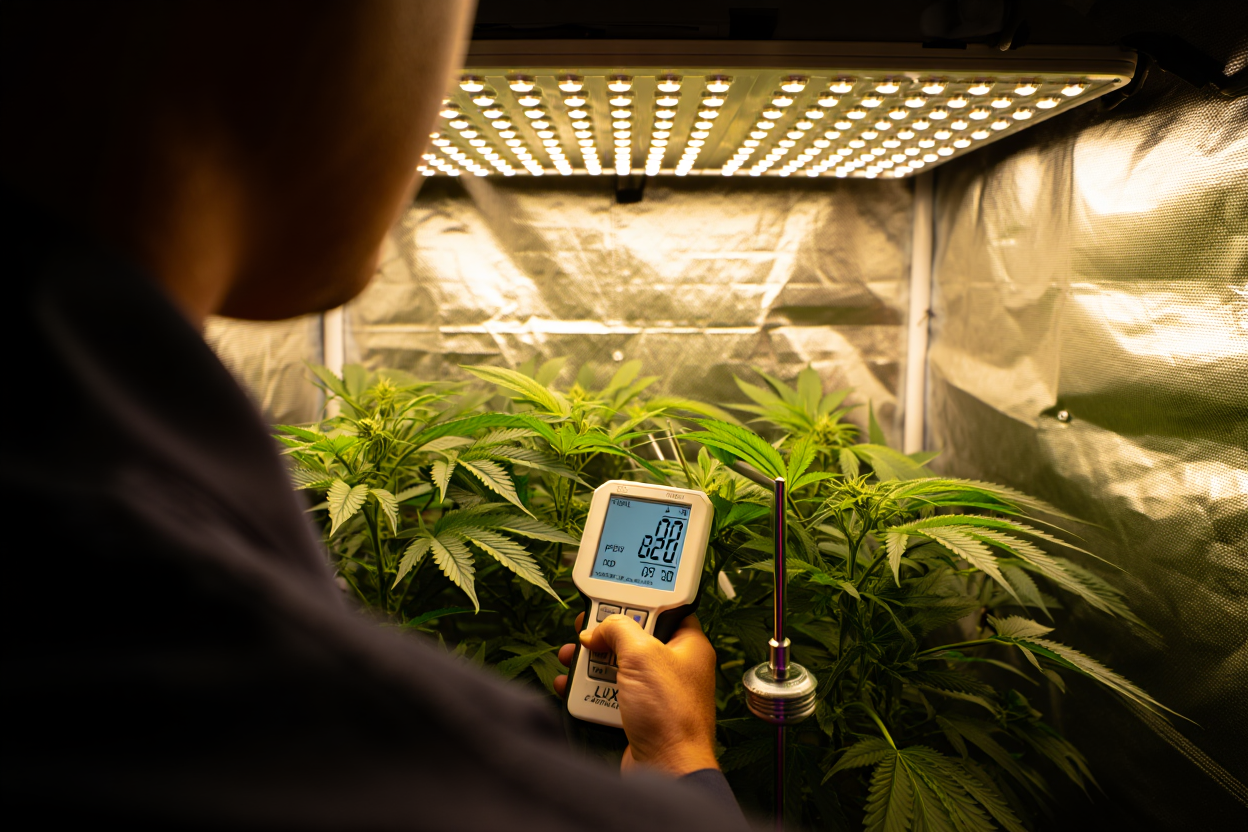
In practice, position the panel 35-40 cm above the active zone to balance central intensity with peripheral coverage. A 400-600W module covers 1m² at 400-800 µmol/m²/s, for a consumption of around 2.94 kWh/day (12h of operation at 245W). Plan for a protected electrical circuit (type B 230V circuit breaker) and general ventilation to remove residual heat.
Grow chamber and safety
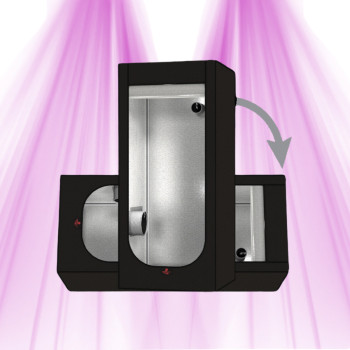
An efficient artificial photosynthesis diagram requires a fully light-tight, highly reflective enclosure capable of managing gas flows (CO2, O2, H2, CO). A 100x100x200 cm tent in 97% Mylar reflects 12% more light than standard polyester, thus optimizing the use of photons. Its sturdy aluminum frame supports up to 36 kg, enough for the full set of equipment.
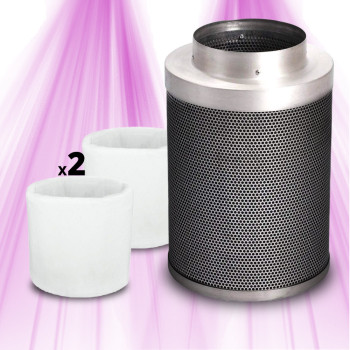
Safety requirements call for specific openings: Ø165 mm for extraction (a Prima Klima 400 m³/h extractor is recommended) and the activated carbon filter, as well as Ø80 mm sealed cable ports. Opaque zippers and 600D Nylon fabric block any stray light, guaranteeing perfectly controlled light cycles. The Probox Master tent also offers ventilated windows with mosquito nets, a sealed drip tray and convenient access points for maintenance.
Optical chain and overall diagram
The operation of an artificial photosynthesis system involves 6 key steps: 1) photon emission (400-700 nm), 2) creation of electron-hole pairs, 3) migration of charges toward the electrodes (oxidation of water and reduction of CO2), 4) lowering of kinetic barriers by catalysts, 5) separation via a membrane, and 6) recovery of the fuels produced.
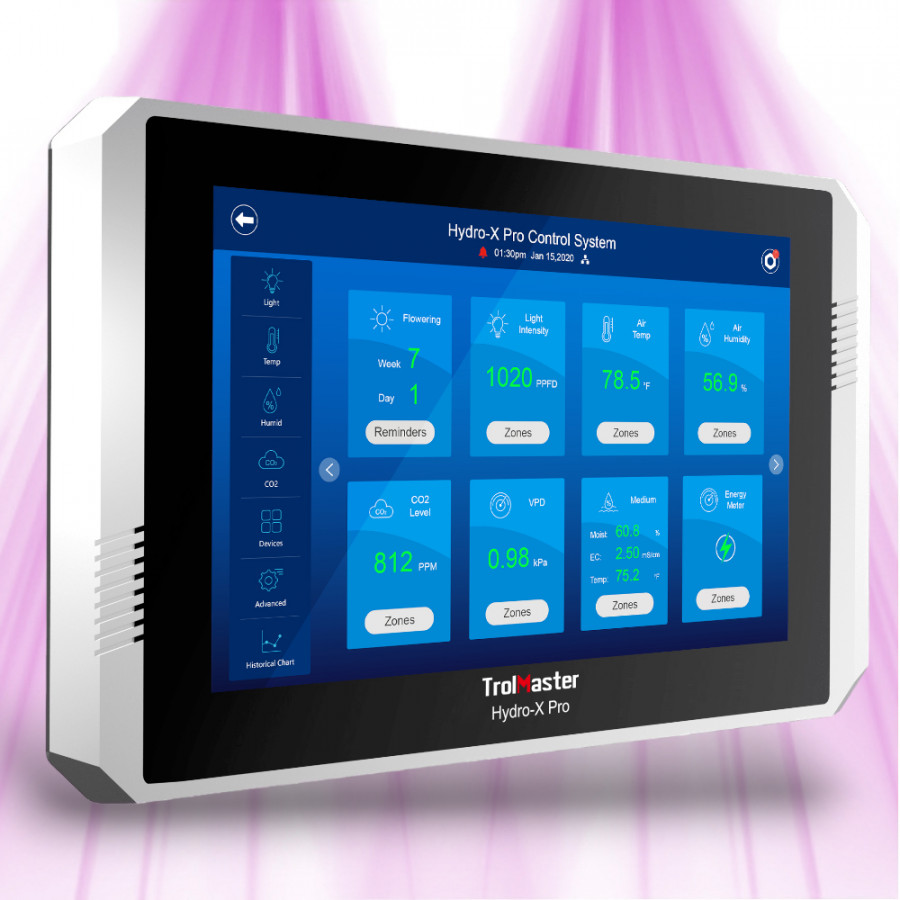
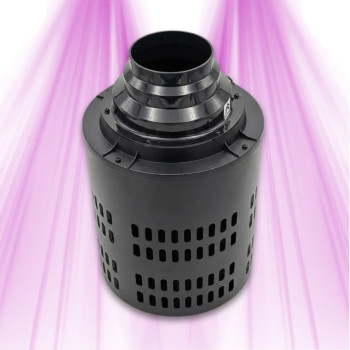
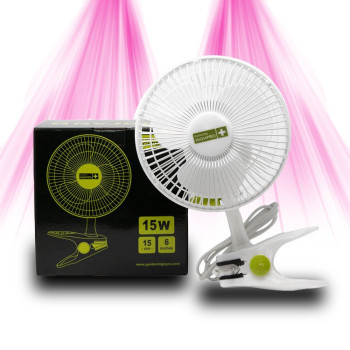
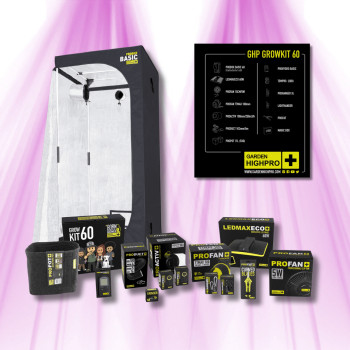
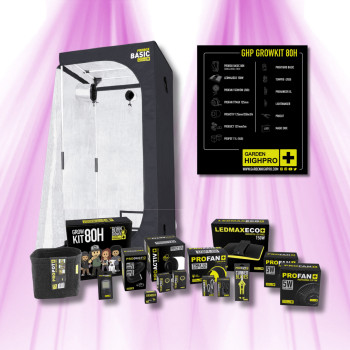
Our optimal configuration combines: a 400-600W Quantum Board, a Mylar tent, an extractor/filter, a CO2 diffuser, an oscillating fan, and a dimmable controller. Neoprene seals reduce vibration and air leaks, while ports allow the integration of probes (pH, temperature, CO2). This system creates a stable environment that maximizes efficiency while ensuring operational safety.
| Component | Main role | Key characteristics | Impact on performance |
| Quantum Board LED panel | Spectral photon source | 400-600W, 2.5+ µmol/J, dimmable | Intense, uniform PAR flux, limits recombination |
| 97% Mylar tent | Reflective sealed chamber | 100x100x200cm, 600D Nylon | +12% photonic efficiency, climate stability |
| Extractor + filter | Airflow management | 400 m³/h, Prima Klima type | Heat removal, pressure control, gas safety |
| CO2 diffuser + fan | Atmosphere homogenization | Oscillating fan, controls | Uniform CO2 distribution, better transfer to the cathode |
| Dimmer controller | Light regulation | Ready-to-Dim compatible | Phase optimization, prevention of photonic stress |